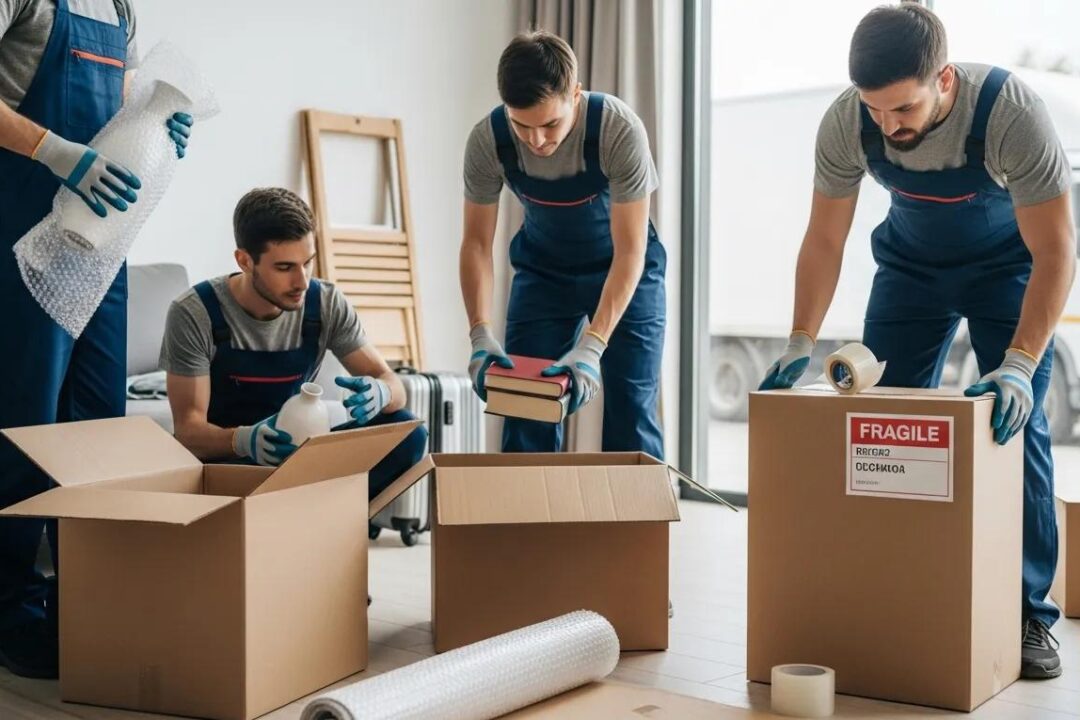
Steps to Take if Your Dental Items Are Damaged or Lost During a Move: Filing Claims and Protecting Your Belongings

By Eric DeVries, DeVries Family Moving & Storage
Relocation introduces risk to valuable dental items, including equipment, personal effects, and records. This guide sets out the procedures to follow if items are damaged or lost during a move, with emphasis on filing claims and safeguarding property. It explains how to perform a systematic inspection, record damages, and pursue claims, and it summarises preventive measures and insurance options relevant to relocation.
Conduct a Damage-Free Move Inspection:
A systematic inspection at unloading verifies the condition of all dental items. Examine each item carefully as it is removed from the vehicle to identify any signs of transit damage.
- Inspect All Items Carefully: Take the time to look over each dental item, checking for any visible signs of damage.
- Use a Checklist: Create a checklist of all items being moved to ensure nothing is overlooked during the inspection.
- Report Findings Promptly: If you notice any damage, report it to the moving company immediately to initiate the claims process.
Document Damages:

Accurate documentation is essential to substantiate a claim with the carrier or insurer. Complete photographic records and detailed lists materially strengthen your position.
- Take Clear Photos of Damaged Items: Capture multiple angles of the damaged items to provide visual evidence.
- Create a Detailed List of Affected Items: Write down all items that have been damaged, including descriptions and estimated values.
Contact the Moving Company:
After compiling documentation, notify the moving company promptly. Timely communication initiates the formal claims process and preserves your right to recovery.
- Reach Out to Report Damages: Contact the moving company as soon as possible to inform them about the damages.
- Inquire About the Claims Process: Ask for specific instructions on how to file a claim and what documentation is required.
File a Claim if Necessary:
When items are damaged or lost, submit a claim in accordance with the carrier’s procedures. Review deadlines, required documentation, and the applicable contractual terms before filing.
- Understand the Claims Process: Familiarize yourself with the steps involved in filing a claim, including deadlines and required documentation.
- File with the Moving Company or Insurance Provider: Depending on your coverage, you may need to file a claim with either the moving company or your insurance provider.
Keep Records:
Retain comprehensive records throughout the relocation. Preserve receipts, contracts, correspondence, inventories, and all evidence submitted in support of a claim.
- Maintain Documentation Related to the Move: Keep all receipts, contracts, and correspondence with the moving company.
- Include Inventory Lists and Correspondence: Document all communications regarding the damages and claims process.
How Do I Document and Report Damaged or Lost Dental Items After a Move?
Adopt a methodical approach: inspect thoroughly, document with photographs and itemised lists, and report findings to the carrier without delay.
- Conduct a Thorough Inspection: As mentioned earlier, inspect all items carefully to identify any damages.
- Document Damages with Photos and Lists: Use the documentation methods discussed to create a comprehensive record of the damages.
- Report Findings Promptly: Contact the moving company immediately to report any damages or losses.
What Evidence Is Required to Support a Damaged Items Claim?
Claims normally require clear photographic evidence and an itemised list that includes descriptions and estimated values for each affected item.
- Provide Photographic Evidence: Clear photos of the damaged items are crucial for substantiating your claim.
- Include a Detailed List of Damaged Items: A comprehensive list detailing each damaged item, along with its value, will strengthen your claim.
How Long Do I Have to Report Lost or Damaged Dental Belongings?
Report loss or damage as soon as it is discovered. Confirm the reporting deadlines set by your carrier, since time limits vary by company and contract.
- Report Damages as Soon as Possible: It is advisable to report any damages immediately upon discovery.
- Understand Company-Specific Timelines: Familiarize yourself with the specific timeframes set by your moving company for reporting damages.
What Are the Steps to File a Moving Damage or Loss Claim for Dental Items?
Key steps include immediate inspection, comprehensive documentation, and prompt notification of the carrier to commence the claims procedure.
- Inspect Items Immediately: Conduct a thorough inspection of all items as soon as they are unloaded.
- Document Damages and Contact the Moving Company: Use the documentation methods discussed earlier to report damages promptly.
How to Complete a Moving Damage Report Effectively
Prepare the damage report with concise descriptions, supporting photographs, and an itemised inventory to ensure the carrier has the required information.
- Inspect All Items Carefully: As with previous steps, a thorough inspection is essential.
- Document Damages with Photos and Lists: Ensure that your report includes all required documentation.
If professional assistance with the claims process is required, DeVries Family Moving and Storage provides support to help you navigate claim procedures and protect your belongings.
Who to Contact at the Moving Company for Claims and Customer Support
Identify the carrier’s designated claims department and contact them immediately upon discovering damage. Be prepared to submit the documentation that the department requests.
- Reach Out to the Moving Company Immediately: Contact the designated claims department as soon as you notice any damages.
- Provide Necessary Documentation: Be prepared to share all documentation related to the damages.
Which Moving Insurance Options Cover Damaged or Lost Dental Items?

Review available insurance options and their terms to determine which policy provides suitable protection for your dental items during transit.
- Understand Different Insurance Policies: Familiarize yourself with the types of insurance offered by your moving company.
- Know What Is Covered Under Each Policy: Review the specifics of each policy to ensure your dental items are adequately protected.
What Types of Insurance Policies Protect Dental Equipment During Relocation?
When assessing insurance for dental equipment, consider policy limits, exclusions, and valuation methodology to ensure coverage aligns with item value and risk.
| Insurance Type | Coverage Details | Recommended For |
|---|---|---|
| Basic Coverage | Covers a limited amount of damage | General items |
| Full Value Protection | Covers the full value of items | High-value dental equipment |
| Third-Party Insurance | Additional coverage from an external provider | Specialized dental items |
Compare policy terms, limits, and exclusions to select coverage that corresponds to the replacement cost and sensitivity of the equipment.
What Are Best Practices to Prevent Damage or Loss of Dental Items During a Move?
Mitigate risk through careful planning: use appropriate packing materials, secure items against movement, and employ handlers experienced with delicate equipment.
- Use Proper Packing Materials: Invest in high-quality packing materials to protect your items.
- Hire Professional Movers: Consider hiring experienced movers who specialize in handling delicate items.
How Can Customer Support and Dispute Resolution Assist with Dental Item Claims?
Customer support and dispute resolution provide guidance on consumer rights and the escalation path for unresolved claims, which can facilitate a timely resolution.
- Understand Consumer Rights: Familiarize yourself with your rights as a consumer when it comes to filing claims.
- Know How to Escalate Claims: If you encounter issues, understand the process for escalating your claim within the moving company.
Follow the procedures outlined in this guide and use available resources to manage damaged or lost dental items. Adhere to reporting deadlines, retain supporting records, and seek professional assistance when necessary to protect your property and pursue recovery.
Frequently Asked Questions
What should I do if my dental items are lost during the move?
If items are lost, notify the carrier immediately and provide any inventory or documentation you possess. Engage the claims department to learn the carrier’s reporting process and review your insurance policy for potential recovery or compensation.
How can I ensure my dental items are properly packed for a move?
Use industry-standard packing materials such as bubble wrap, foam, and rigid boxes. Clearly label boxes as fragile and use specialised containers or original packaging for delicate equipment. When appropriate, retain movers experienced in handling dental instruments and equipment.
What types of documentation should I keep during the moving process?
Retain all contracts, receipts, and correspondence with the mover. Maintain an itemised inventory that documents the condition and estimated value of each dental item; this evidence is critical if a claim becomes necessary.
Can I file a claim for damages if I didn’t purchase insurance?
Yes. You may file a claim without additional insurance, but recovery may be limited. Carrier liability under the moving contract often imposes caps or valuation methods. Review the contract to determine the carrier’s liability and consider negotiation or legal counsel if damages exceed available recovery.
What steps should I take if my claim is denied?
Review the denial notice to determine the stated reasons. Compile additional supporting evidence, such as photographs or witness statements, and request clarification from the carrier. If internal escalation does not resolve the matter, consider filing a complaint with consumer protection authorities or obtaining legal advice.
How can I prevent future damage to my dental items during moves?
Reduce future risk by applying proper packing techniques and materials, securing items to prevent movement, and using specialised movers when required. Maintain detailed inventories and perform pre- and post-move inspections. Regularly review insurance options to confirm adequate coverage.
What should I do if I notice damage after the moving company has left?
Document the damage immediately with clear photographs and an itemised list, then notify the carrier without delay. Observe the carrier’s reporting deadlines and submit all required documentation to initiate the claims process.
Conclusion
Protecting dental items during relocation depends on thorough documentation, awareness of insurance options, and prompt action. Follow the specified procedures, retain all supporting records, and engage professional assistance when appropriate. Consult available resources for additional guidance on safeguarding equipment during a move.