Top Tips for Safeguarding Your Belongings During an International Move: A Comprehensive Guide to Secure Packing, Insurance, and Storage

By Eric DeVries, DeVries Family Moving & Storage
International relocation introduces logistical and regulatory risks to personal property. This guide presents essential, actionable strategies to protect items throughout an international move, covering secure packing protocols, insurance alternatives, storage options, and post-arrival inspection procedures. Applying these measures reduces the likelihood of loss or damage and supports an orderly transition to your new residence. The content emphasizes advance planning, packing best practices, and continuous management of belongings during the move.
Comprehensive Guide to Safeguarding Belongings During an International Move
Protecting belongings during an international move is essential to mitigate loss or damage. Effective preparation requires identifying relocation risks and implementing preventative measures. This guide describes methods — from standardised packing procedures to insurance and storage solutions — to maintain the security of your possessions throughout transit.
Secure Packing Tips:
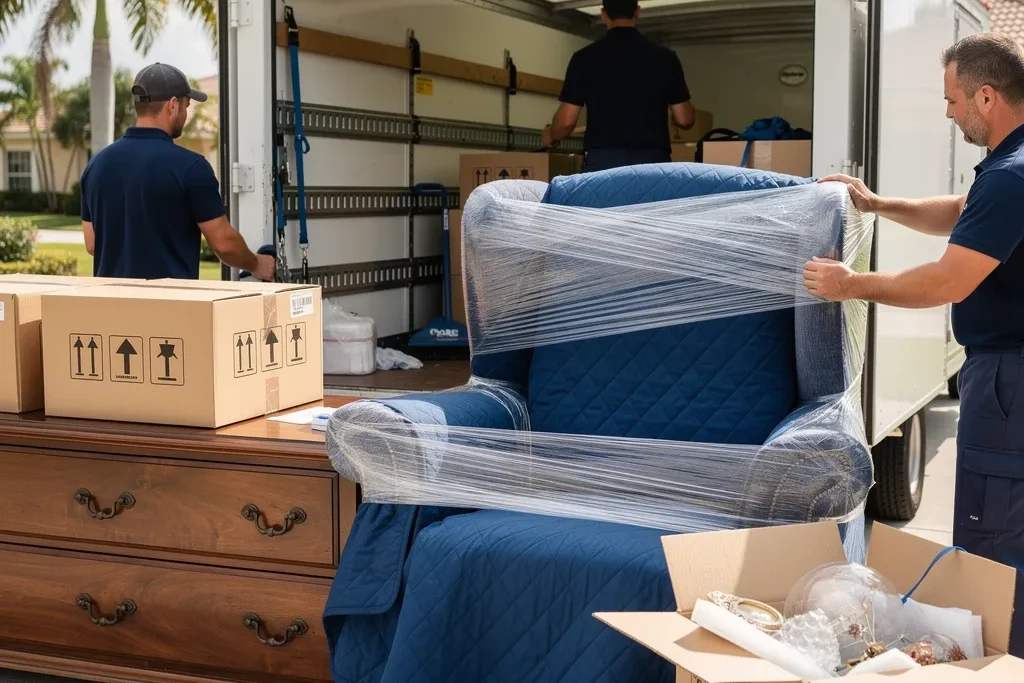
Secure packing is the foundation of loss prevention. The following practices reduce the risk of damage during handling and transport:
- Use Quality Packing Materials: Invest in sturdy boxes, bubble wrap, packing paper, and strong tape to protect your belongings.
- Start Early: Begin packing 4-6 weeks before the move to avoid last-minute stress.
- Pack Room by Room: This keeps items organized and reduces chaos during unpacking.
- Label Boxes Clearly: Clearly label each box with its contents and the room it belongs to for easier unpacking.
- Protect Fragile Items: Use bubble wrap and packing paper to cushion fragile items. Avoid overloading boxes to prevent breakage.
These packing measures increase the probability that items arrive in the same condition as when dispatched.
Research underscores the critical role of appropriate load securement and packaging in reducing freight damage during international transit.
Reducing Freight Damage in International Shipping
This is the fourth paper in a series analysing results from a major damage assessment study that examined challenges products endure during shipping and handling in the mixed-load and less-than-truckload (LTL) logistics environments. The preceding three papers addressed specific commodities, such as televisions, appliances, furniture, machinery, doors and windows, and paint products, which are known to represent high levels of freight damage and corresponding claims to carriers.
Load securement and packaging methods to reduce risk of damage and personal injury for cargo freight in truck, container and intermodal shipments, P Singh, 2014
Insurance Options:
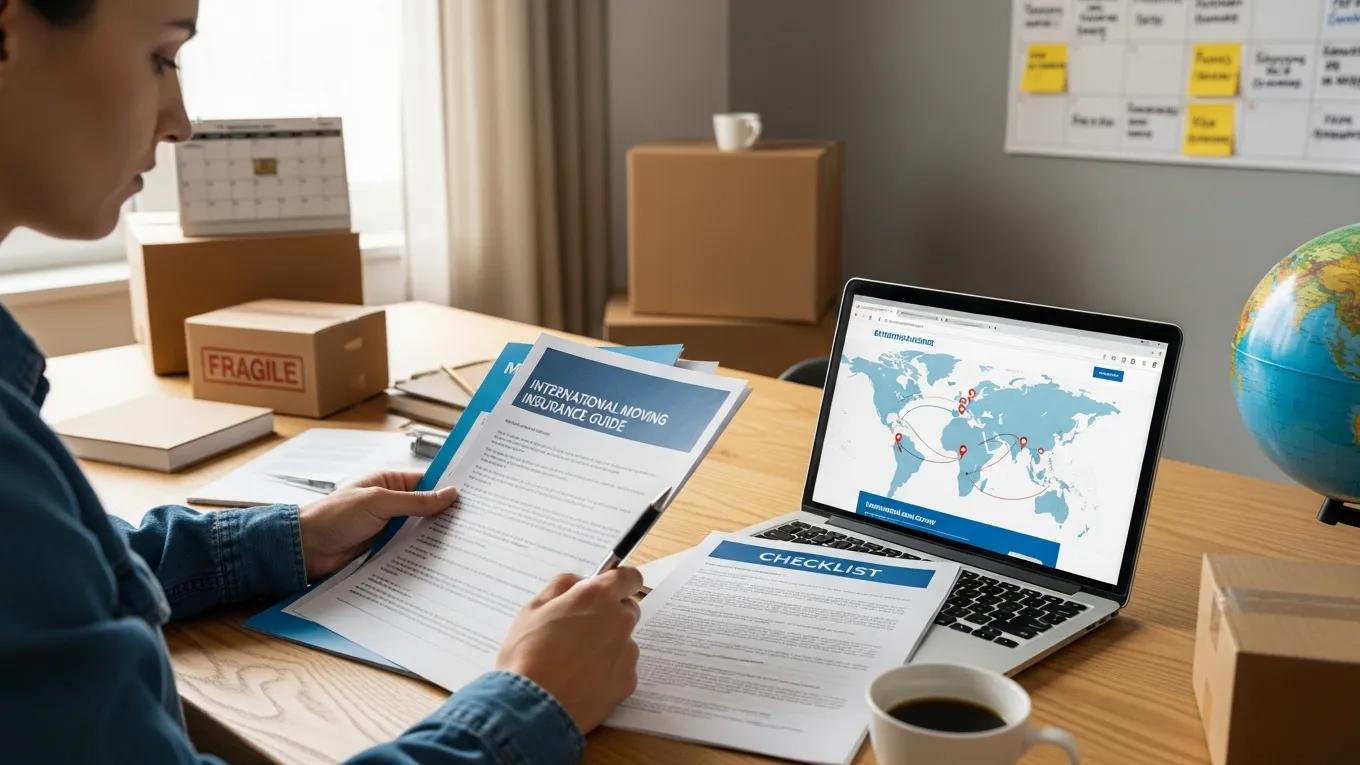
When moving internationally, it is essential to evaluate insurance options to protect belongings in transit. Key considerations include policy scope, exclusions, and claims procedures.
- Types of Moving Insurance: There are various types of moving insurance, including Full Value Protection, which covers the full replacement value of your belongings, and Released Value Protection, which offers minimal coverage at no extra cost.
- Importance of Documenting Belongings: Take photos and create an inventory list of your items before the move to support any claims.
- How to Choose the Right Insurance: Evaluate your belongings’ value and choose an insurance policy that adequately covers potential losses.
For those seeking reliable moving services, DeVries Family Moving and Storage specialises in international relocations and offers comprehensive insurance options to safeguard your belongings.
Effective Storage Solutions:

International moves often require temporary storage. Consider the following secure storage options to mitigate risk between departure and arrival:
- Secure Storage Facilities: Look for storage options that offer surveillance, access control, and climate control to protect sensitive items.
- Self-Storage Units: Ideal for temporary storage if there’s a gap between moving out and moving in.
- Portable Storage Containers: These can be delivered to your location, allowing you to pack at your own pace before transport.
- Moving Company Storage: Some moving companies provide storage services as part of their packages, which can be convenient.
These storage options assist in maintaining the security and condition of possessions during the relocation period.
Post-Move Inspection:
Upon delivery, conduct a comprehensive inspection of all items. The following steps establish an auditable record for any subsequent claims:
- Inspect Items for Damage: Check all items for damage and document any issues with photos.
- Document Any Issues: Keep a record of any damages to support your claims with the moving company.
- Contact Movers if Needed: If you find significant damages, reach out to your moving company to discuss the claims process.
A post-move inspection enables prompt issue resolution and supports recovery through insurance or claims processes when required.
Additional Tips:
To further ensure an orderly relocation, consider the following measures:
- Handle Valuables Personally: Transport valuables like jewelry and important documents yourself to ensure their safety.
- Communicate with Movers: Clearly communicate any special instructions or concerns with your moving team to ensure everyone is on the same page.
- Stay Organized: Keep all important documents, including insurance policies and inventory lists, in a dedicated folder for easy access.
These measures will assist in managing the complexities of international relocation and reduce operational friction.
How Should You Plan and Inventory Your Belongings Before an International Move?
Planning and creating an inventory is a critical step. Begin by compiling a detailed list of all items to be moved. The inventory will facilitate tracking, inform insurance decisions, and identify items requiring specialised packing or handling based on value and sensitivity.
What Are the Best Practices for Creating a Detailed Moving Inventory?
Best practices for a detailed moving inventory include the following procedural steps:
- Categorize Items: Group items by room or type to make the inventory process more manageable.
- Use a Spreadsheet: A digital spreadsheet can help you keep track of items, their condition, and their value.
- Include Photos: Take photos of valuable items to document their condition before the move.
These practices produce a comprehensive record of possessions and streamline the relocation and claims processes.
How Can Pre-Move Planning Minimize Risks to Your Belongings?
Pre-move planning reduces exposure to common risks. Organise the move well in advance to identify potential challenges and implement mitigations. This includes researching moving companies, reviewing customs requirements, and securing appropriate packing materials. A detailed plan significantly lowers the probability of damage or loss.
What Are the Most Effective Packing Methods for Protecting Fragile and Valuable Items?
For fragile and valuable items, apply these established packing methods:
- Use Bubble Wrap: Wrap fragile items in bubble wrap to provide cushioning.
- Double Box: For extremely valuable items, consider double boxing them for added protection.
- Fill Empty Spaces: Use packing peanuts or crumpled paper to fill any empty spaces in boxes to prevent movement during transit.
These methods help ensure valuable items arrive intact at the destination.
How Do Eco-Friendly Packing Options Contribute to Secure International Moves?
Eco-friendly packing materials can reduce environmental impact while providing effective protection. Biodegradable options, such as recycled paper and compostable packing peanuts, offer adequate cushioning and generate less waste. These materials also tend to contain fewer hazardous additives, which supports safer handling and storage during transit.
What Insurance Options Are Essential for Covering International Moving Risks?
When arranging insurance for an international move, it is essential to understand available options. Key insurance types include:
| Insurance Type | Coverage | Cost |
|---|---|---|
| Full Value Protection | Covers full replacement value of items | Higher premium |
| Released Value Protection | Minimal coverage, typically at no extra cost | Lower premium |
| Third-Party Insurance | Additional coverage from external providers | Varies |
Selecting appropriate insurance provides financial protection and reduces exposure to loss during transit.
How Do Customs Regulations Affect the Protection of Your Belongings During an International Move?
Customs regulations materially affect the protection of your belongings. Understand destination restrictions and prepare required documentation to avoid delays and potential fines. Compliance with customs procedures facilitates efficient clearance and reduces the risk of detention or additional handling that could harm your shipments.
What Are Secure Storage Solutions Available for International Moves?
Secure storage is essential when managing belongings during an international move. Consider the following secure options to protect items during transitional periods:
| Storage Type | Features | Benefits |
|---|---|---|
| Climate-Controlled Units | Regulates temperature and humidity | Protects sensitive items |
| 24/7 Surveillance | Continuous monitoring | Enhances security |
| Flexible Rental Terms | Short-term and long-term options | Adapts to your needs |
These storage solutions provide assurance that possessions remain secure while you complete the relocation process.
Frequently Asked Questions
What should I do if my belongings are damaged during the move?
If damage is discovered after delivery, document it immediately. Photograph damaged items, record affected goods and their condition, and retain any relevant delivery receipts. Notify the moving company promptly to initiate the claims process. Follow the mover’s claims procedures and submit all required documentation to support your claim.
How can I ensure my valuables are safe during an international move?
To protect valuables, retain possession of high-value items such as jewellery, critical documents, and portable electronics during transit. If shipping is necessary, use professional-grade packing materials and obtain supplemental insurance specific to those items to limit financial exposure.
What are the benefits of using eco-friendly packing materials?
Eco-friendly packing materials reduce environmental impact while delivering effective protection. Biodegradable options, such as recycled paper and compostable packing peanuts, provide cushioning and generate less waste. They also generally contain fewer hazardous substances, which supports safer handling and storage.
How do I choose the right moving company for my international move?
Selecting an international mover requires due diligence. Verify licenses and insurance, review customer references and ratings, and confirm experience with cross-border relocations. Obtain multiple written quotes and compare services, including packing, storage, and insurance. Clearly communicate your requirements to ensure the provider can meet them.
What should I include in my moving inventory list?
An inventory should list all items to be moved, categorised by room or type, with descriptions, notes on condition, and estimated values. Photograph valuable items for documentation. This inventory supports tracking and is essential for insurance and claims purposes in the event of loss or damage.
How can I prepare for customs regulations when moving internationally?
Prepare by researching the destination country’s customs requirements and any prohibited or restricted items. Assemble necessary documentation, including a detailed inventory and proof of ownership for high-value goods. Consult your moving company for compliance guidance, as experienced providers can assist with clearance procedures.
What are the advantages of using portable storage containers during a move?
Portable storage containers provide logistical flexibility. They permit packing at a controlled pace, can be delivered to your premises, and typically include secure locking mechanisms. This option simplifies scheduling and is useful when there is a gap between vacating one residence and occupying another.
Conclusion
Protecting your belongings during an international move is essential to achieve a successful transition. Implementing standardised packing procedures, selecting appropriate insurance, and choosing effective storage reduce the risks associated with relocation. These measures preserve the condition of your property and improve overall moving outcomes. For further guidance, refer to the comprehensive resources provided in this guide.