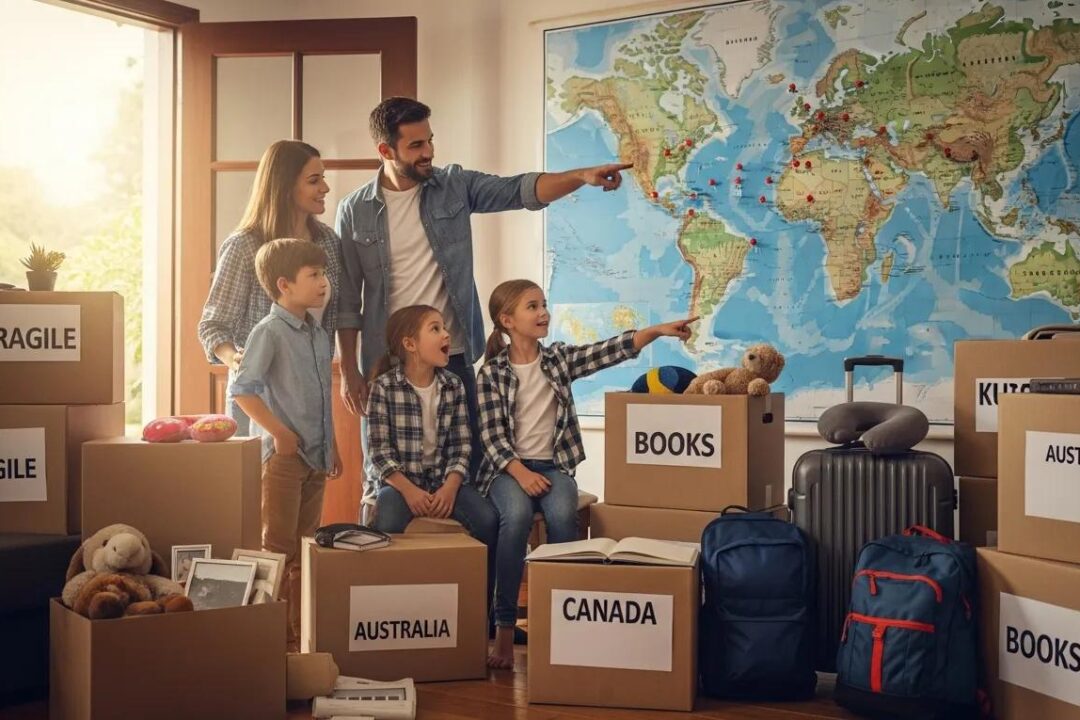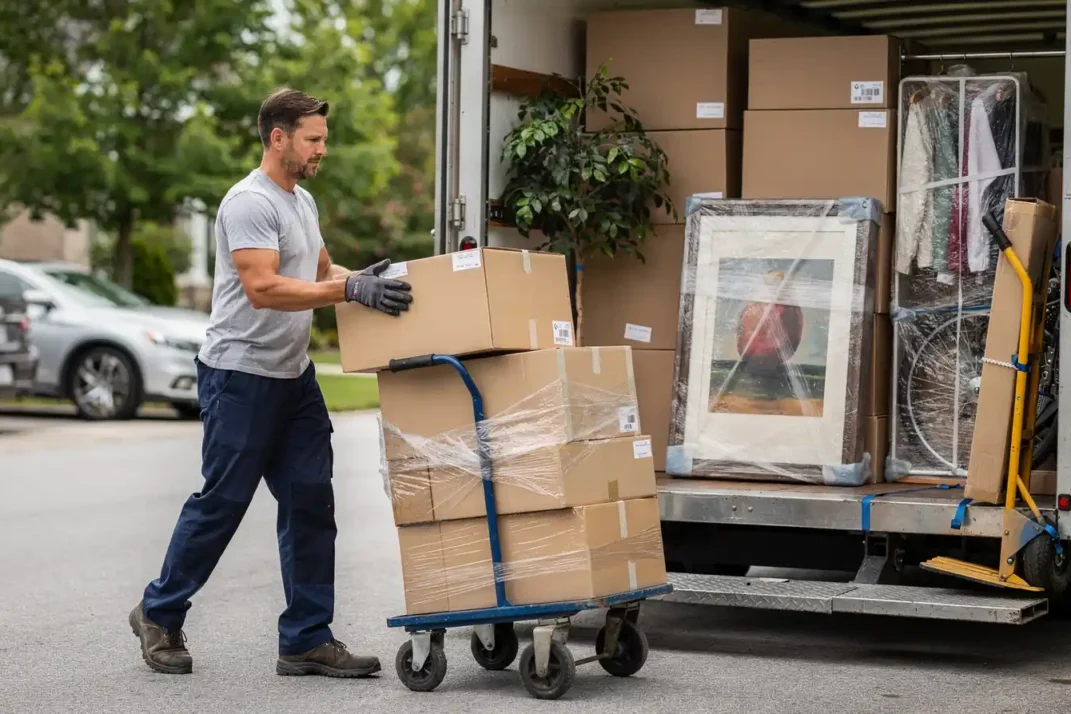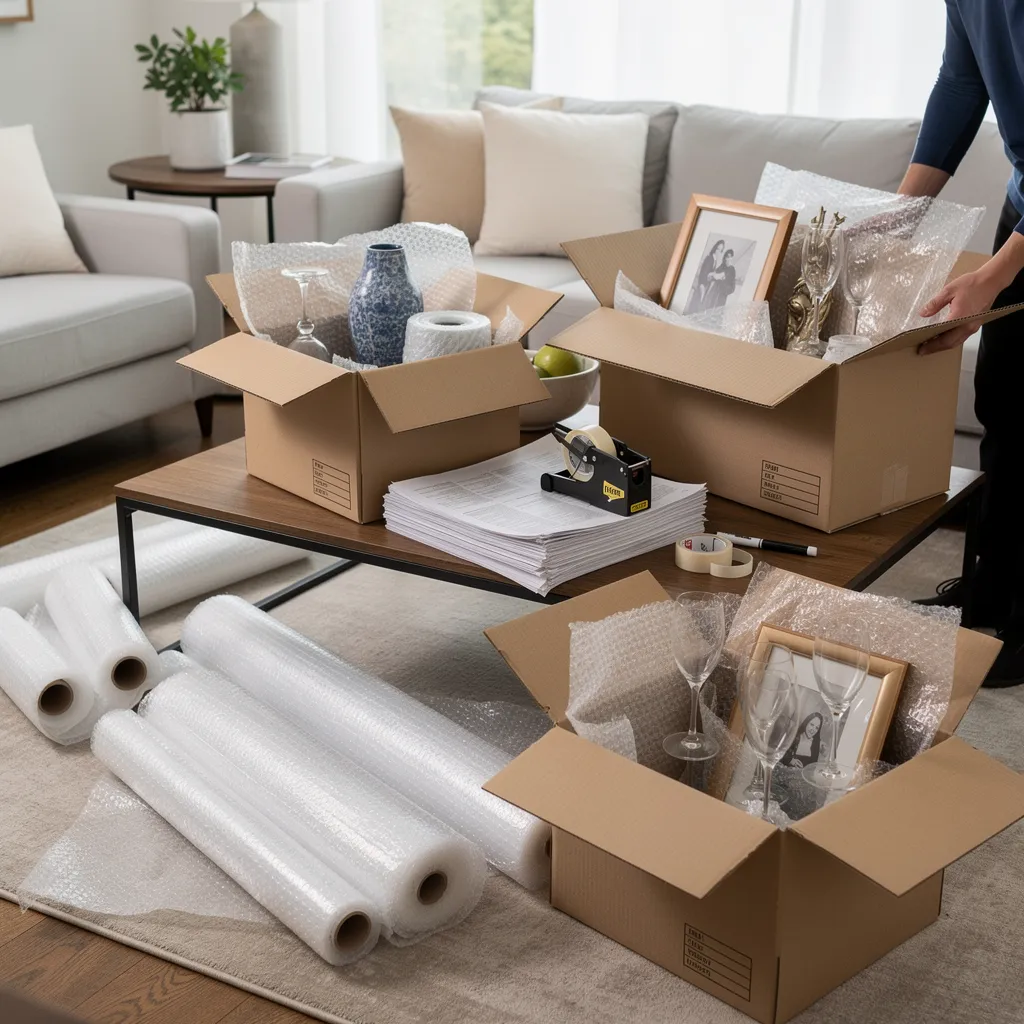
Valuables require sturdy, double-walled boxes, bubble wrap, and padded dividers to prevent shifting during transit. DeVries Moving & Storage, serving Port St. Lucie, recommends separating fragile and sentimental items for transport by hand rather than placing them in the moving truck with household goods.
What Do You Need Before Your Move?
Preparation determines whether fragile items and family heirlooms survive a residential relocation intact. Families who wait until the final week often scramble for boxes. Lose the chance to plan proper protection for delicate possessions. A structured timeline, paired with the right materials, closes that gap and keeps valuables secure from the first box packed to the last item unloaded.
How early should a move be scheduled?
Booking four to six weeks ahead gives the moving company adequate time to plan around specific needs, including extra care for fragile or high-value items. This lead time allows for a free on-site estimate, during which a representative reviews the household’s belongings in person. Because estimates function only as guidelines, the final cost gets confirmed once the mover examines the actual items being relocated.
What should be done before moving day?
Follow these steps in order to prepare a household for a secure move:
- Contact the moving company four to six weeks before the target date to reserve a slot and request an on-site estimate.
- Walk through the home with the estimator so every item, especially fragile or valuable pieces, gets accounted for in the final quote.
- Gather sturdy, quality boxes capable of withstanding weight and pressure, since weak packaging invites crushed corners and broken contents.
- Separate delicate items into clearly labeled containers before the crew arrives, reducing confusion during loading.
Skipping these steps leaves families negotiating costs and packing in a rush, raising the odds of damage long before the truck ever leaves the driveway.
How Do You Pack Fragile Items Correctly?
Correct packing protects glassware, china, and other delicate possessions from breakage during loading, transport, and unloading. Unprotected breakables risk cracking, chipping, or shattering long before a moving truck reaches its destination. Families searching for ways to ensure their belongings stay safe during the move, often asking “How Can I Ensure My Belongings Are Safe During the Move?”, can follow a clear, repeatable process rather than relying on guesswork.
- Select sturdy, double-walled boxes sized to the item being packed. Oversized boxes allow fragile items to shift and collide in transit.
- Wrap glassware and china individually using bubble wrap or packing paper before placing each piece in the box.
- Cushion remaining gaps with bubble wrap, packing paper, or foam peanuts so nothing moves once the box is sealed.
- Seal each box securely and mark it “Fragile” on multiple sides for easy identification.
- Arrange specialty handling in advance for pianos, fine art, and antiques that require equipment and techniques beyond standard packing.
What Packing Materials Work Best for Breakables?
Bubble wrap, packing paper, and foam peanuts form the core toolkit for cushioning fragile items inside a box. Packing paper works well for dishes and glass stemware, while foam peanuts fill irregular gaps around oddly shaped pieces. Skipping these materials, or substituting flimsy padding, raises the odds of damage long before the truck leaves the driveway.
Can Movers Customize Packing for Specific Items?
Yes. DeVries Moving & Storage builds household relocation plans around the specific fragile items a family owns, rather than applying a one-size-fits-all approach. Pianos, fine art, and antiques receive specialty handling designed for their weight, shape, and fragility. This customization lets Port St. Lucie area families plan packing around their most valuable possessions instead of treating every box the same way.
How Can I Keep My Belongings Safe?
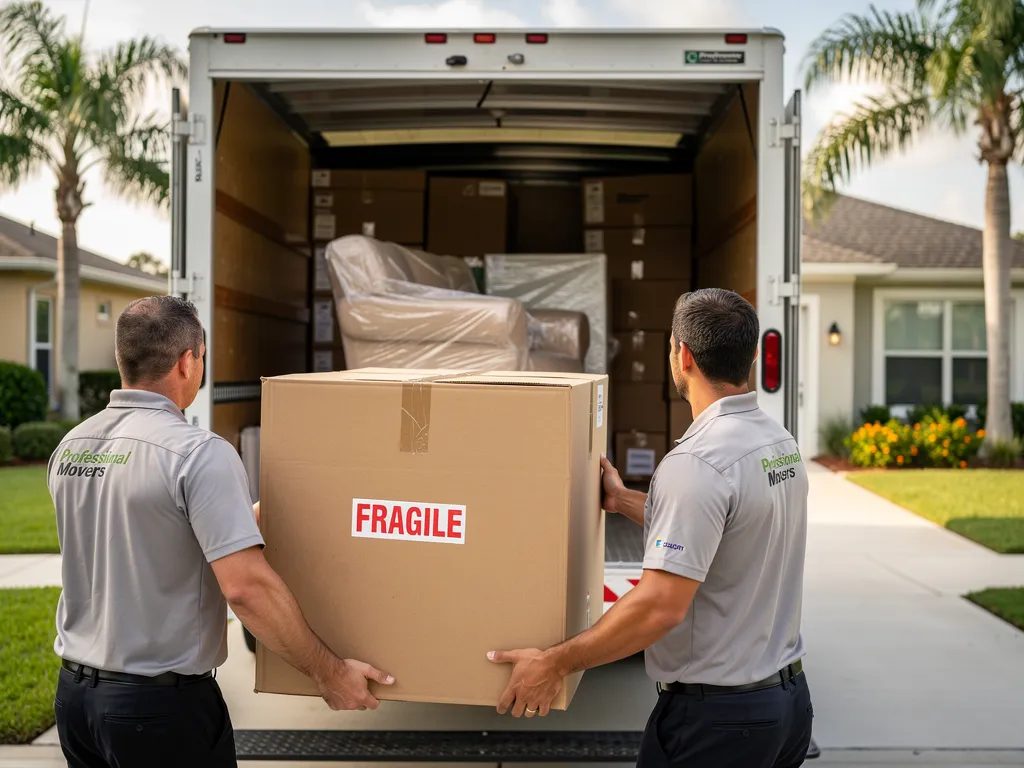
Ensuring belongings stay safe during the move starts with secure packing methods and movers who know how to handle fragile or valuable items. DeVries Moving & Storage builds every residential move around safe, secure packing of a customer’s possessions, reducing the risk of damage before a single box reaches the truck. Families in Port St. Lucie who skip advance security planning risk cracked china, scratched furniture, and misplaced heirlooms that no insurance claim fully replaces.
Protecting a household’s belongings works best as a sequence, not a single task. Homeowners preparing for a move should follow these steps:
- Inventory valuables and fragile items before any packing begins.
- Separate high-value possessions for dedicated, secure packing rather than general boxing.
- Confirm that movers assigned to the job are trained and experienced in handling delicate items.
- Plan security details, including truck access and home entry, well ahead of moving day.
- Walk through the final load with the crew to verify everything is accounted for.
What makes movers trustworthy with valuables?
Experience matters more than equipment alone. DeVries personnel are well-trained, experienced, and dedicated professionals. The company’s average employee has stayed with the business for 10 years. That tenure means familiar faces handle fragile items with consistent, repeatable care rather than guesswork.
Does a company’s track record affect belonging safety?
Longevity signals reliability. DeVries Moving & Storage Solutions is family owned. Has been proudly serving the Treasure Coast & South Florida for many years, carrying a Better Business Bureau A+ rating throughout. A sustained local reputation reflects years of handling possessions without the complaints that erode trust.
Security planning extends beyond the packing table. Scheduling pickup times, securing the truck, and confirming entry points at the new address all deserve attention before moving day arrives, not after boxes are already loaded.
How Do You Secure Valuables in Transit?
Securing valuables in transit requires a combination of physical safeguards, trusted handling, and discretion before the move even begins. Families who skip these precautions risk theft, damage, or missing items that never resurface after a long-distance relocation. Port St. Lucie households moving across town or across state lines benefit from a layered approach rather than a single safeguard.
How does DeVries Moving & Storage keep belongings safe during the move?
DeVries Moving & Storage follows a clear sequence of steps designed to protect belongings safe during the move, from the first box packed to final delivery.
- Lock down the moving vehicle. Secure the moving truck, trailer, or container before loading begins and whenever it sits unattended, since an unsecured vehicle is the easiest target for theft.
- Store items temporarily in a monitored facility when needed. DeVries Moving & Storage maintains clean, state-of-the-art, secure storage facilities for households that need a holding period between homes.
- Rely on an established interstate network for long-distance moves. As a Wheaton World Wide interstate agent, DeVries Moving & Storage extends secure handling practices to long-distance and international relocations, keeping valuables under consistent oversight across the entire route.
- Limit who knows about the move. Avoid broadcasting moving dates on social media or with unfamiliar contractors; public announcements invite unwanted attention to a home full of boxes and an empty-looking property.
Is a storage facility safer than keeping items in a truck overnight?
A secure storage facility generally reduces risk compared with leaving a loaded vehicle unattended overnight. Facilities built for moving and storage purposes limit access and monitor conditions. A parked truck remains exposed to passersby and weather.
Combining these steps, locked vehicles, monitored storage, vetted interstate handling, and discretion, gives Port St. Lucie families a dependable framework for protecting their possessions from the first mile to the last.
What Mistakes Should You Avoid When Packing?
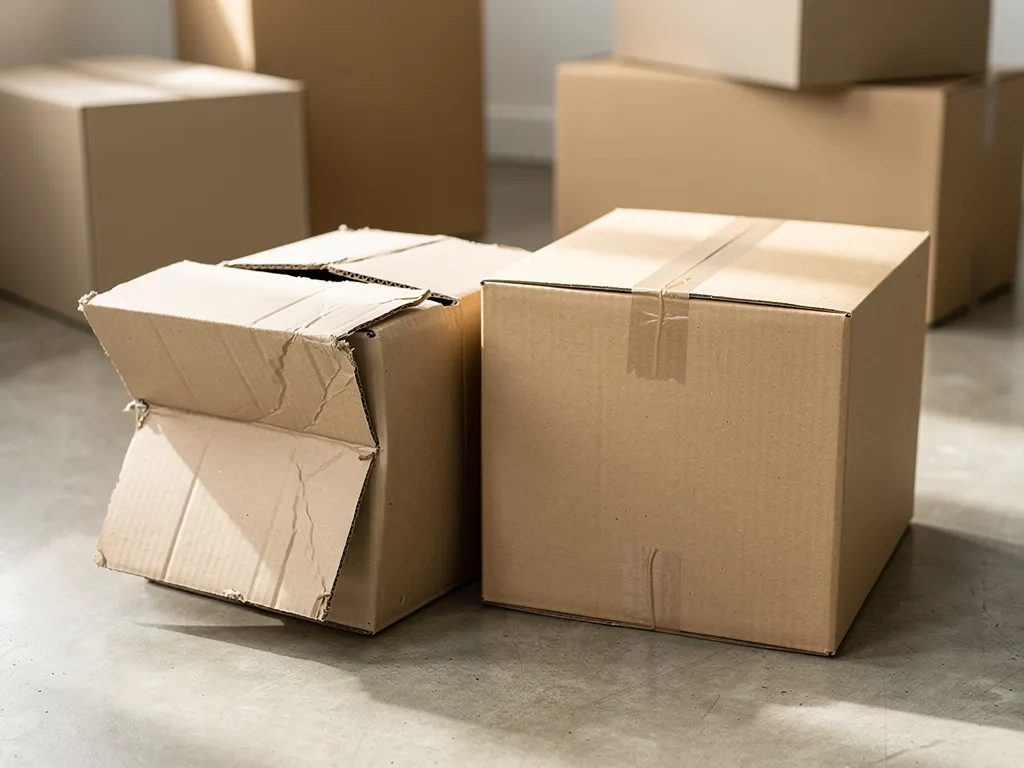
Packing mistakes most often start with poor box choices and unclear move-day information. Families who skip these details risk cracked dishware, scratched furniture, and belongings left unattended on moving day. Ensuring belongings stay safe during the move depends on avoiding four common errors.
- Avoid grabbing mismatched or flimsy boxes. Selecting the wrong container for an item’s weight or fragility, and packing it incorrectly, remains a leading cause of damage after a move.
- Avoid skipping move-date confirmation. Families should confirm the loading date and estimated arrival day in advance; without this step, valuables sit unattended or unaccounted for during transit.
- Avoid underestimating interstate pricing factors. On interstate shipments, charges depend on actual shipment weight, distance traveled, and selected services, so failing to account for these variables leads to underprotected items.
- Avoid hiring movers unfamiliar with the region. A mover established in Port St. Lucie, Florida offers a local point of accountability families can reach directly if questions arise about handling valuables.
Why does box selection matter for valuable items?
Fragile and heavy items require different box strengths. Mismatched boxes buckle under weight or fail to cushion delicate pieces, leading to breakage that proper box selection prevents.
What happens if moving dates aren’t confirmed in advance?
Unconfirmed loading and arrival dates leave belongings without clear oversight during transit. Confirming these dates in advance keeps valuables accounted for at every stage.
FAQ
How far in advance should I schedule my move to protect valuables?
Schedule four to six weeks ahead so DeVries Moving & Storage can plan proper protection for fragile items. Provide a free on-site estimate based on an in-person review.
What materials protect fragile items best during a move?
Bubble wrap, packing paper, and foam peanuts cushion breakables effectively, with packing paper suited for dishes and stemware and foam peanuts filling gaps around irregularly shaped pieces.
Should valuables travel in the moving truck with other household goods?
No, DeVries Moving & Storage recommends separating fragile and sentimental items for hand transport instead of loading them into the truck with the rest of the household goods.
Conclusion
In closing, protecting your valuables during a move requires deliberate planning, appropriate materials, and careful documentation of your possessions. By implementing comprehensive packing strategies, maintaining detailed inventories, and selecting a moving partner equipped with professional expertise and secure storage capabilities, you establish multiple layers of protection for your most important items. This proactive approach transforms the moving process from a source of concern into a managed transition, ensuring your valuables arrive at their destination intact and accounted for.