When it comes to How Do I Ensure My Belongings Are Safe During the Moving Process?, belongings stay protected through a documented inventory, sturdy packing materials, and trained professional movers, such as DeVries Family Moving & Storage, a Better Business Bureau A+ rated company located in Port St. Lucie, Florida. Valuables and important documents—passports, tax records, birth certificates—require separate transport, never mixed into general boxes, plus clear labeling and secure loading equipment throughout transit.
What Should You Prepare Before Moving Day?
Preparation determines whether belongings arrive intact or damaged. Homeowners and renters who skip advance planning risk rushed packing, mismatched boxes, and last-minute scrambling that raises the odds of breakage or loss. Building a clear pre-move checklist keeps the process orderly and protects both fragile items and irreplaceable documents.
How far in advance should moving preparations start?
Planning should begin at least a month before the move date. This window allows time to declutter and remove unwanted items, which shrinks the volume of belongings that could go missing or get damaged in transit. Fewer boxes mean fewer opportunities for something to be scratched, crushed, or misplaced during loading.
Clients preparing for a move should follow these steps in order:
- Contact a moving company four to six weeks before the move date; earlier notice improves scheduling and reduces the chance of rushed, careless handling on moving day.
- Request a free on-site estimate so the exact cost reflects the actual items being relocated, rather than relying on rough guesswork.
- Sort and declutter belongings room by room, setting aside items no longer needed before packing begins.
- Confirm mover credentials and experience; DeVries Family Moving & Storage has served Port St. Lucie with movers recognized for quality, professionalism, and efficient handling.
- Create a packing timeline that assigns fragile or high-value rooms to specific days, avoiding a single overwhelming packing session.
Skipping these steps often forces last-minute box-stuffing, and rushed packing remains one of the most common causes of moving damage. Preparation is not a formality; it is the foundation of a secure, well-organized relocation.
How Do You Pack Belongings To Prevent Damage?
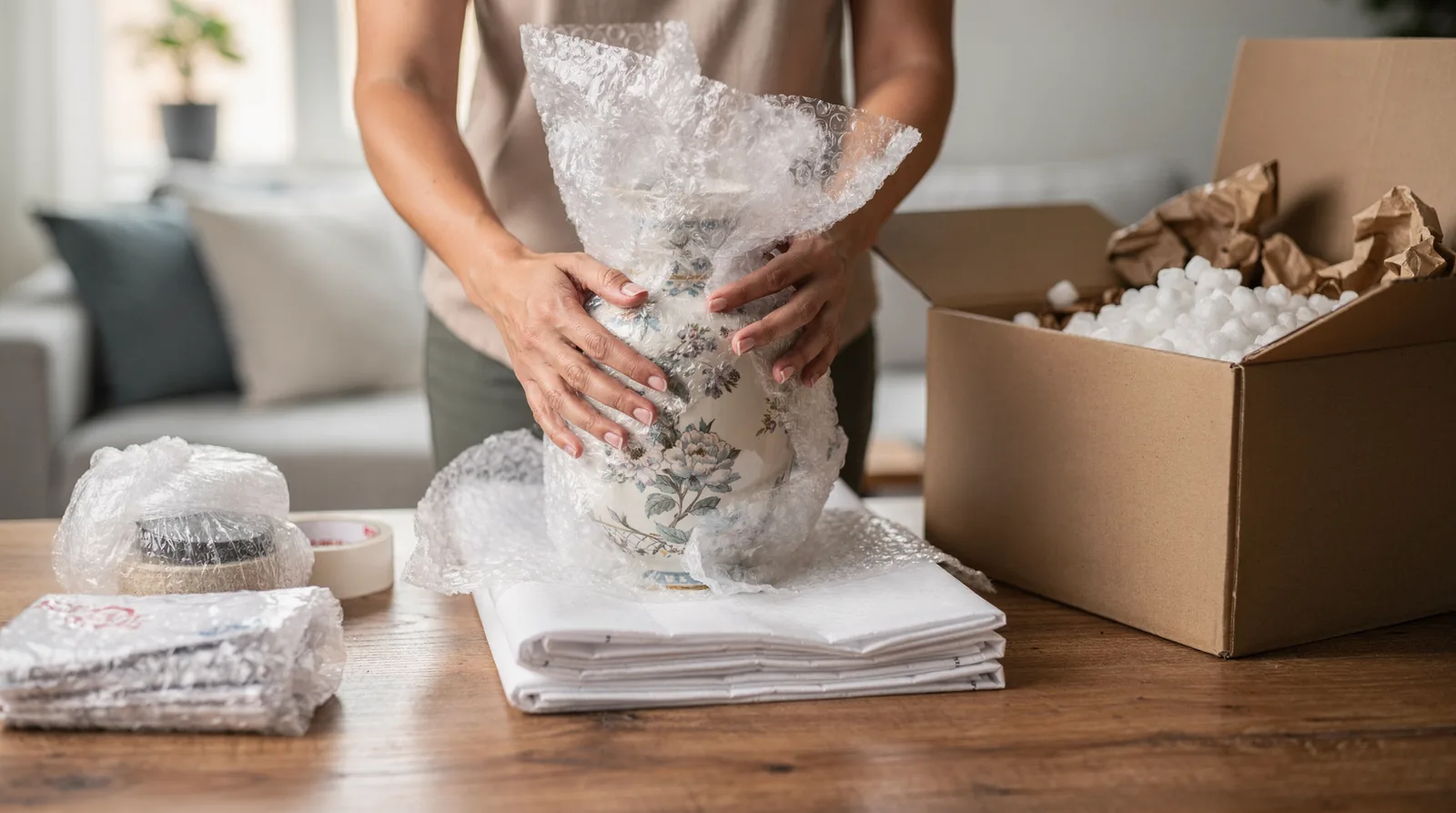
Proper packing prevents damage by matching materials, sequence, and labeling to each item’s fragility. Safe, secure packing of belongings stays central to every DeVries Family Moving & Storage relocation, built into the process rather than treated as an extra. Damaged goods rarely result from bad luck; rushed boxing, missing padding, and unmarked containers cause most of the harm.
Follow this sequence to keep possessions intact from doorway to doorway:
- Sort belongings by category and fragility before selecting boxes.
- Match box size to item weight — heavy books in small boxes, linens in larger ones.
- Wrap breakables individually in paper or bubble wrap, then cushion the box interior.
- Fill remaining space with packing paper so contents cannot shift during transport.
- Seal each box fully and label it with its destination room.
- Mark cartons holding delicate contents as fragile so movers know which boxes require careful handling.
What About Pianos, Fine Art, and Antiques?
Standard boxing does not protect high-value, high-risk items. DeVries Family Moving & Storage provides specialized services for pianos, fine art, and antiques. These pieces demand particular crating, padding, and lifting methods beyond ordinary household packing. Familymoving.Com
Who Actually Packs the Boxes?
Crew experience matters as much as the materials used. The average DeVries employee has stayed with the company for 10 years, developing the hands-on judgment needed to catch a poorly cushioned box before it reaches the truck. That tenure translates into fewer packing errors and fewer claims after delivery.
Consistent labeling, correct box weight, and trained hands working together answer the real concern behind moving day: whether fragile items, sentimental pieces, and valuables arrive exactly as they left the old address.
How Do You Protect Belongings During The Move?
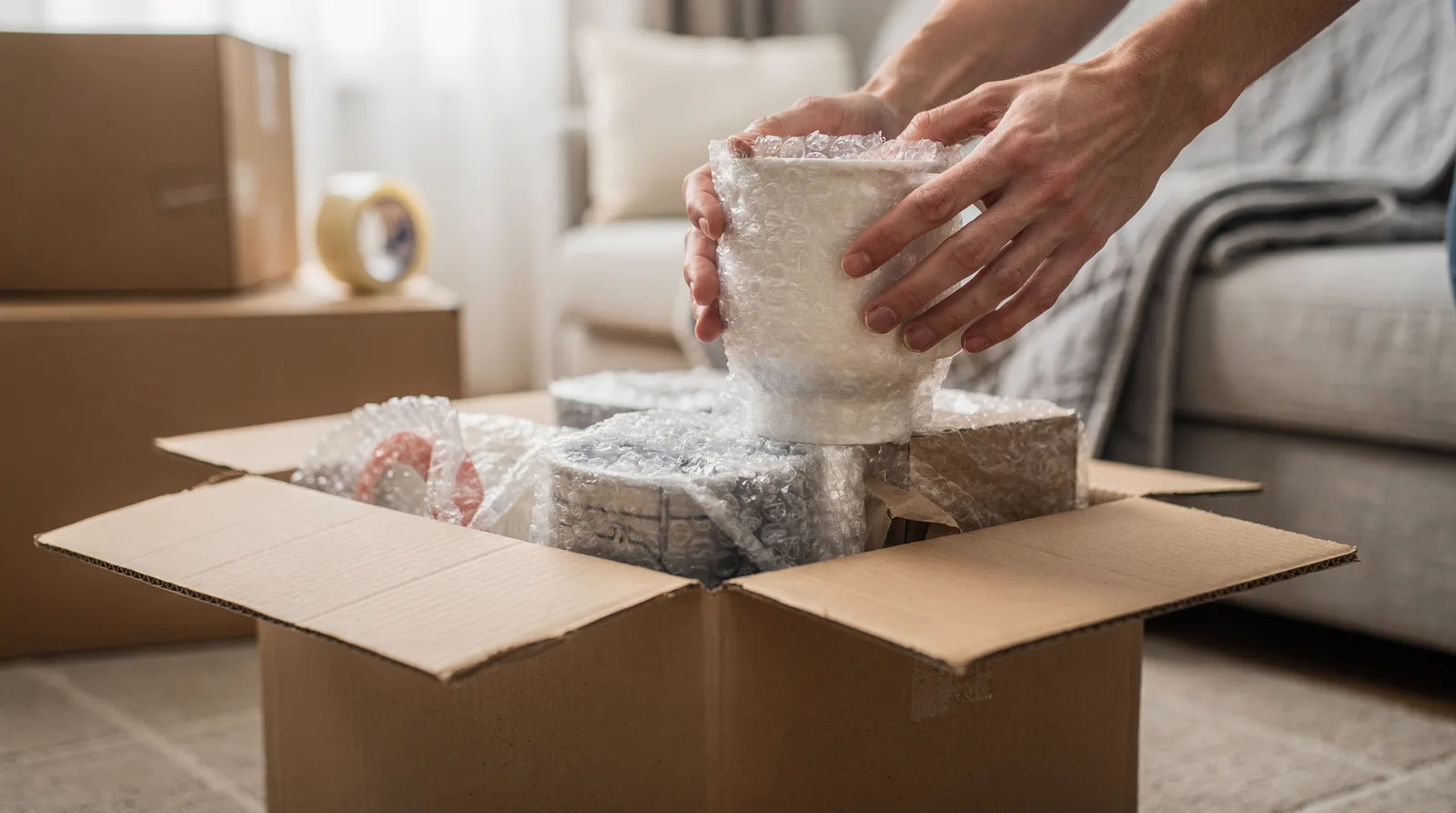
Protecting belongings during a move requires a documented plan, a vetted moving company, and secure handling from pickup to delivery. Skipping any one of these steps raises the odds of damage, loss, or theft on moving day. Clients who follow a structured process, rather than relying on guesswork, arrive at their new home with everything accounted for.
The following sequence gives clients a reliable path to a secure move.
- Confirm licensing and insurance before hiring. Interstate movers should carry a USDOT number, proof of insurance, and a verifiable business history.
- Separate essential documents from general boxes. Birth certificates, passports, medical files, and tax records belong in a bag kept with the client, not on the truck.
- Create a digital backup of key paperwork. Scanning important documents adds a second layer of protection against loss during transit.
- Select a mover backed by a national network. DeVries Family Moving & Storage holds status as a Wheaton World Wide interstate agent, which extends secure handling and tracking even on international relocations.
- Rely on trained crews for packing and storage. A tenured crew combined with full-service packing and secure storage reduces mishandling at every stage of the relocation.
What should clients keep with them instead of packing?
Valuables and irreplaceable paperwork should travel with the client, not inside the moving truck. This includes passports, birth certificates, financial records, and small high-value items like jewelry. Keeping this category separate eliminates the chance of it being misloaded or misplaced among household boxes.
Does the mover’s affiliation matter for security?
Affiliation matters because it signals accountability and resource depth. A crew backed by a nationwide van line network, such as Wheaton World Wide Moving, offers tracking and support that independent operators often cannot match, particularly for long-distance or international moves.
How Do You Protect Valuables In Storage And Transit?
Secure storage facilities and disciplined planning protect valuables during both phases of a relocation. Clients lose belongings most often not from breakage but from theft, exposure, or poor tracking during the gap between pickup and delivery. Two safeguards close that gap: clean, state-of-the-art, secure storage facilities for items not moving directly to the new address, and a preparation timeline that starts weeks before the truck arrives.
DeVries Family Moving & Storage operates from Port St. Lucie, Florida, keeping storage and logistics local to the region it serves. That regional footprint means shorter transit windows. Fewer handoffs between vehicles, both of which reduce the opportunities for loss or damage.
How far ahead should moving preparation begin?
Preparation should begin weeks before the move date, not days. A theft-free relocation depends on early inventory work, a confirmed labeling strategy, and a settled packing plan. Waiting until the final week compresses these tasks and increases the odds something gets misplaced or left unsecured.
Should moving plans be shared publicly?
No. Advertising moving plans on social media or with unfamiliar contractors raises the risk that belongings become a target. Discretion matters as much as physical security measures.
Clients can follow this sequence to protect valuables through storage and transit:
- Build a complete inventory before packing begins.
- Confirm a labeling system that identifies contents and destination room.
- Select storage that offers secure, monitored facilities rather than open lots.
- Limit public discussion of move dates, routes, or destination addresses.
- Verify chain-of-custody procedures with the moving provider before belongings leave the home.
Each step narrows the window where valuables sit unaccounted for.
What Mistakes Put Your Belongings At Risk?
Four recurring errors explain most damage claims and disappearing valuables on moving day. Homeowners and renters who skip vetting, ignore reviews, or wait until the last minute to secure belongings face avoidable losses. Ensuring belongings are safe during the moving process starts with recognizing these mistakes before they happen, not after boxes go missing.
Hiring a mover that offers only rigid, one-size-fits-all packages is the first misstep. Companies without seamless, fully customizable household relocation services are more likely to mishandle fragile or high-value items. A rigid process leaves less room to account for individual needs.
Why does skipping background checks on a mover increase risk?
Choosing an unvetted company raises the odds of theft, damage, and unresolved disputes. A family-owned mover serving the Treasure Coast. South Florida region for over 21 years, carrying an A+ Better Business Bureau rating, signals a lower-risk choice than a company with no track record or complaint history.
What review habits do movers overlook before booking?
Many renters and homeowners glance only at star ratings. That single mistake overlooks written customer feedback, where real complaints about breakage, delays, or missing items usually surface.
Common mistakes that increase risk include:
- Hiring based on price alone, without confirming customizable service options
- Skipping written reviews and relying only on star averages
- Delaying security planning until moving day
- Failing to protect sentimental or high-value items with a dedicated plan
Waiting until the last minute to plan security leaves valuables exposed precisely when protection matters most.
Protecting your belongings during a move requires deliberate planning, appropriate materials, and professional execution. By implementing the strategies outlined—from inventory documentation to secure packing techniques—you establish a comprehensive framework that minimizes risk. Preserves the integrity of your possessions throughout the relocation process. DeVries Family Moving & Storage brings the expertise. Equipment necessary to execute these protective measures with precision, ensuring your valuables arrive at their destination in the condition you expect.
FAQ
How do I keep my belongings safe during a move?
Document belongings with an inventory, use sturdy packing materials, and rely on trained professional movers like DeVries Family Moving & Storage, a BBB A+ rated company located in Port St. Lucie, Florida.
How should I pack valuables and important documents?
Transport valuables and important documents—passports, tax records, birth certificates—separately from general boxes, with clear labeling and secure loading equipment throughout transit.
How far ahead should I start moving preparations?
Start planning at least a month before the move date, contacting movers four to six weeks out and decluttering room by room to reduce items at risk of damage or loss.
Frequently Asked Questions
What should I keep with me instead of packing it on the truck?
Passports, birth certificates, financial records, and small high-value items like jewelry should travel with you rather than in the moving truck. Keeping this category separate eliminates the chance of it being misloaded or misplaced among household boxes.
Does it matter if a moving company is affiliated with a national network?
Yes. A crew backed by a nationwide van line network, such as Wheaton World Wide Moving, offers tracking and support that independent operators often cannot match, particularly for long-distance or international moves. DeVries Family Moving & Storage holds status as a Wheaton World Wide interstate agent.
What’s the biggest mistake people make when trying to protect their belongings during a move?
Waiting until the last minute to plan security. Hiring based on price alone, skipping written reviews, and failing to set aside a dedicated plan for sentimental or high-value items all leave valuables exposed precisely when protection matters most.
How can I verify a mover is trustworthy before hiring?
Confirm licensing and insurance, including a USDOT number for interstate movers, and look for a verifiable business history and rating, such as DeVries Family Moving & Storage’s A+ Better Business Bureau rating and over 21 years serving the Treasure Coast and South Florida region.
Facts
- DeVries Family Moving & Storage is located in Port St. Lucie, Florida, US.
Conclusion
Keeping belongings safe during a move comes down to preparation, not luck. A documented inventory, sturdy packing materials, separated valuables, and a vetted, experienced crew close off the moments where damage, loss, or theft typically happen. Each safeguard covered here — from a month-out planning timeline to secure storage and a nationwide network for tracking — works together to remove the guesswork from moving day. DeVries Family Moving & Storage brings the local expertise, tenured crews, and equipment to put these protections into practice, so belongings arrive at their new address in the condition they left the old one.