By Eric DeVries, DeVries Family Moving & Storage
Relocating specialty items—such as antiques, fine art, or delicate electronics—requires additional care and planning. Understanding specialty item moving services is essential to protect these possessions during transit. This article examines the complexities of moving fragile and high‑value items, describes available services and handling best practices, and identifies factors to consider when selecting a mover. Readers will learn how specialised movers operate and why their services matter for protecting valuable items. The following sections offer practical guidance on specialty movers, common challenges, and preparation steps.
Types of Services Available
Specialty item movers provide a range of services tailored to delicate and high‑value possessions. An overview of common offerings follows:
- Piano Moving: Moving a piano requires specialized equipment and expertise to ensure it is transported without damage. Professional piano movers are equipped with the knowledge and tools to handle this delicate process safely.
- Fine Art Moving: Art pieces, due to their unique shapes and materials, need special consideration during transport. Professional art movers ensure that each piece is packed securely using custom crating and protective materials.
- Medical Equipment Transport: Specialized movers are trained to handle sensitive medical devices, ensuring they are transported safely and in compliance with any regulations to prevent damage or calibration issues.
DeVries Family Moving and Storage demonstrates expertise in specialty moving, ensuring each item receives appropriate care throughout the moving process.
Best Practices for Handling Fragile and High-Value Items

Safe transport of fragile items relies on established best practices. Key guidelines include:
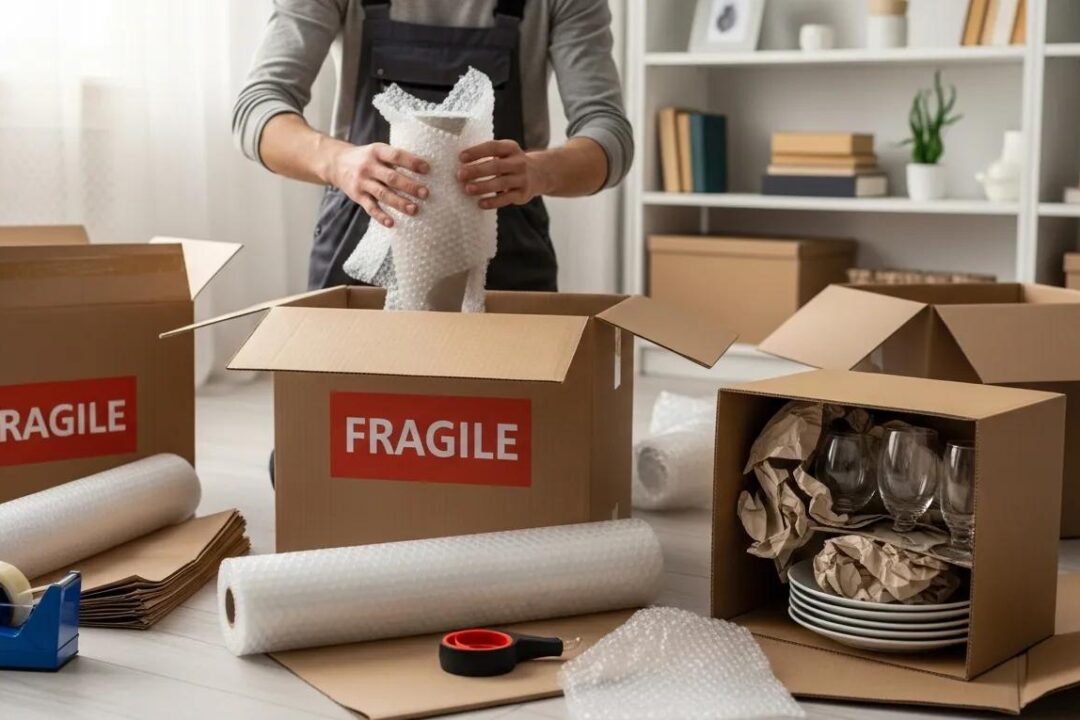
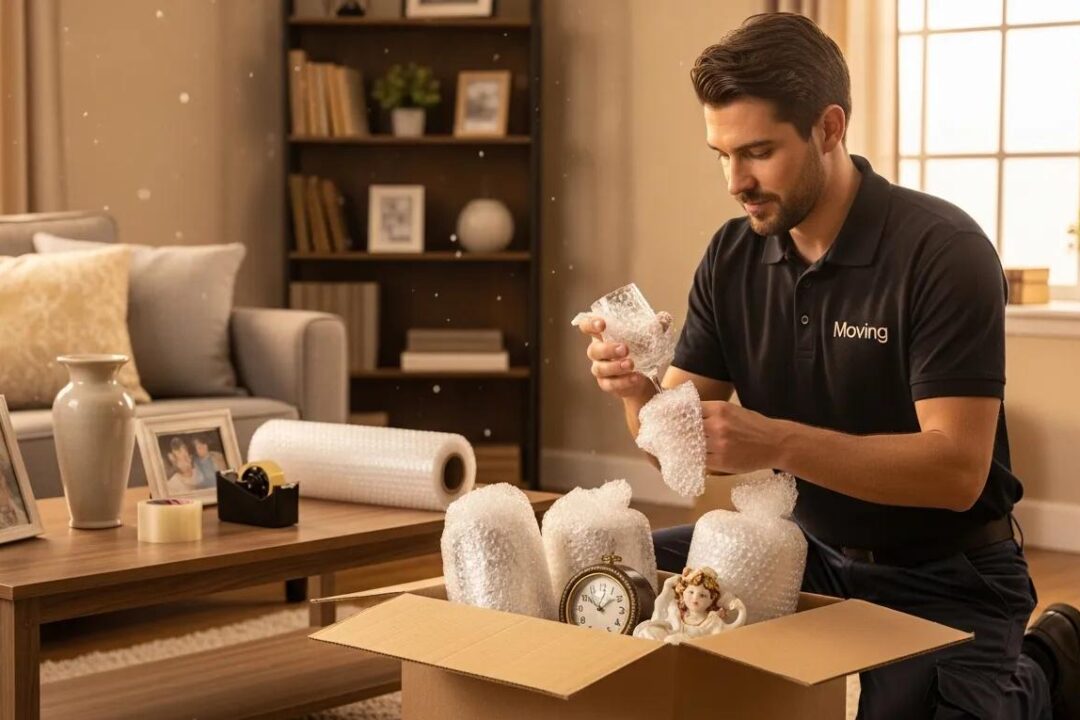
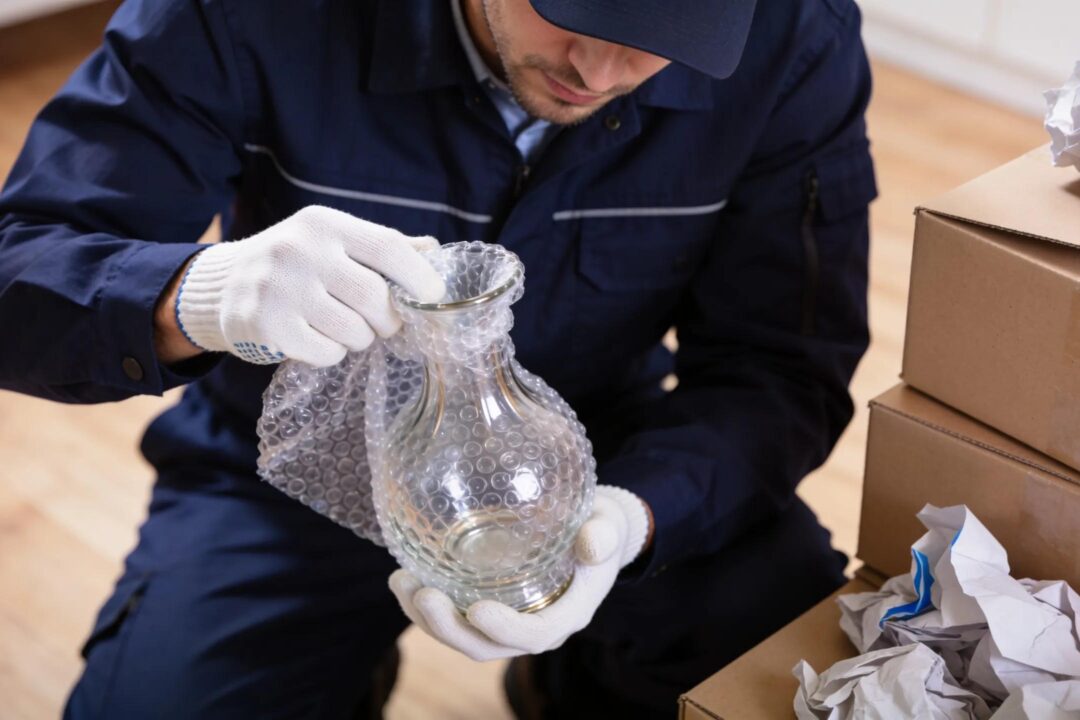
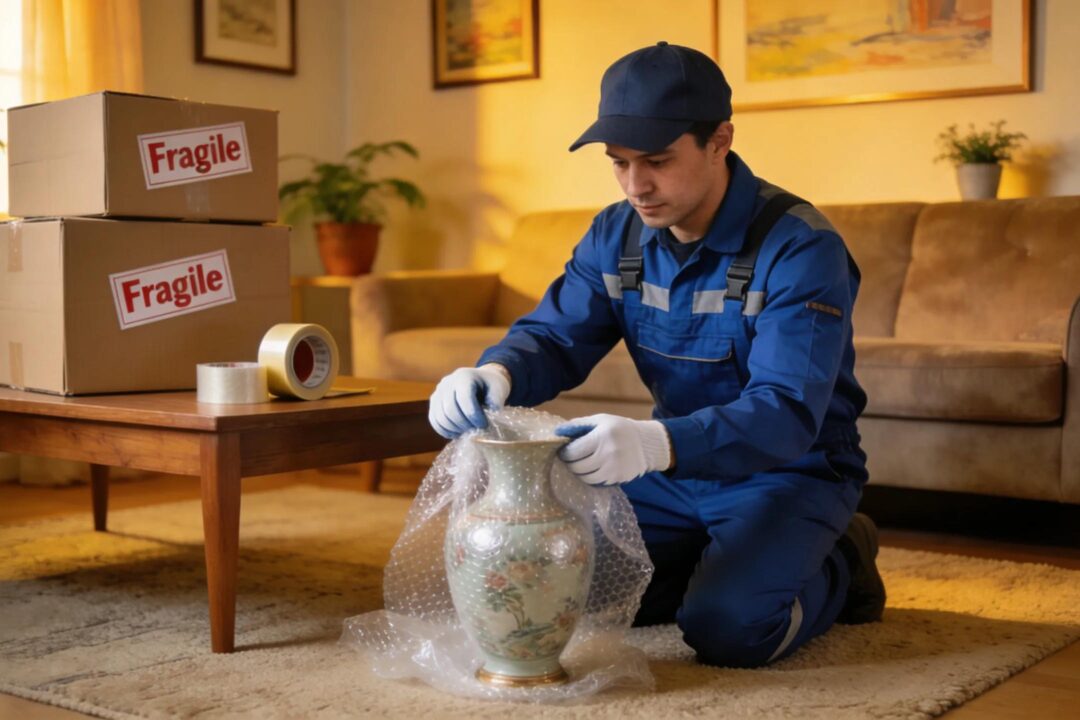
- Use Proper Packing Materials: Materials such as bubble wrap, foam inserts, and custom crates help protect items from damage during transit. Using inadequate packing can lead to significant losses.
- Label and Inventory Items: Proper labeling and creating a detailed inventory can minimize the chances of items getting lost or misplaced during the move.
- Consider Professional Packing Services: When dealing with extremely fragile items, hiring professionals for packing can ensure the utmost care is taken. Expert movers understand the specific requirements for different types of items.
These practices are essential to preserve the condition of valuable items throughout the moving process.
Important Factors to Consider When Choosing a Mover
Selecting an appropriate mover is critical for the protection of specialty items. Evaluate these factors:
- Licensing and Insurance: Ensure the moving company is licensed and insured to protect against potential damages during the move.
- Experience and Certifications: Seek out movers with experience specifically handling the type of specialty items you need to transport. Certifications from recognized industry bodies can also reflect a company’s professionalism.
- Transparent Pricing: It’s vital to choose a mover that provides clear and transparent pricing. Hidden fees can unexpectedly raise the cost of the move, so inquire about all potential charges upfront.
If your move involves delicate or high‑value items, contact DeVries Family Moving and Storage for a personalized quote and consultation at (772) 878-7088.
What Are Specialty Item Moving Services and Why Are They Essential?
Specialty item moving services are tailored solutions for transporting delicate and high‑value possessions. These services address unique requirements such as specialized packing techniques, climate‑controlled transport, and detailed inventory procedures. Specialty movers handle packing, transport, and unloading to ensure items arrive at their destination in perfect condition.
Engaging specialty movers transfers responsibility to professionals trained in the care techniques and logistics required to protect high‑value items throughout the moving process.
How Do Specialty Movers Ensure Safety and Compliance?
Specialty movers implement techniques and protocols to maintain safety and regulatory compliance during moves. Key methods include:
- Trained Staff: Staff are specifically trained in handling delicate items and are familiar with safety protocols, ensuring that the move is conducted safely.
- Proper Equipment: Specialty movers use equipment, such as dollies equipped with shock absorbers and secure strapping methods, to transport items without harm.
- Safety Protocols: An emphasis on safety protocols minimizes risks throughout the moving process, ensuring items are always handled with care.
Prioritising safety directly affects the condition of items upon delivery.
Which Types of Specialty Items Are Commonly Moved?
A range of possessions qualify as specialty items, typically requiring specialised handling. Common examples include:
- Pianos: Due to their size and weight, pianos require experts in handling and transportation.
- Fine Art: Paintings and sculptures are prone to damage and must be transported with care.
- Medical Equipment: Devices must often be calibrated and secured to ensure they remain in working order after transit.
Engaging professionals who understand the specific requirements of these items helps ensure they arrive intact.
What Are the Challenges of Moving Safes and High-Value Furniture?
Safes and high‑value furniture present logistical challenges due to weight and dimensions, requiring specialised equipment and careful planning. Security considerations are also necessary to mitigate theft and accidental damage during transport. Specialty movers employ trained staff and appropriate tools to manage these complexities effectively.
What Packing and Handling Best Practices Do Specialty Movers Use?
Specialty movers use established packing and handling techniques to protect fragile and valuable items:
- Use Proper Packing Materials: High-quality packing materials, such as custom crating and climate-controlled packaging, are used to safeguard items.
- Inventory Tracking: Implementing thorough inventory tracking processes helps ensure all items are accounted for before and after the move.
- Professional Moving Techniques: Techniques tailored for particular items, such as using specialized dolly systems for pianos, enhance the security of delicate possessions during transport.
These best practices enhance the safety of the move and provide clients with greater assurance.
How Do Movers Train Staff for Handling Delicate and High-Value Items?
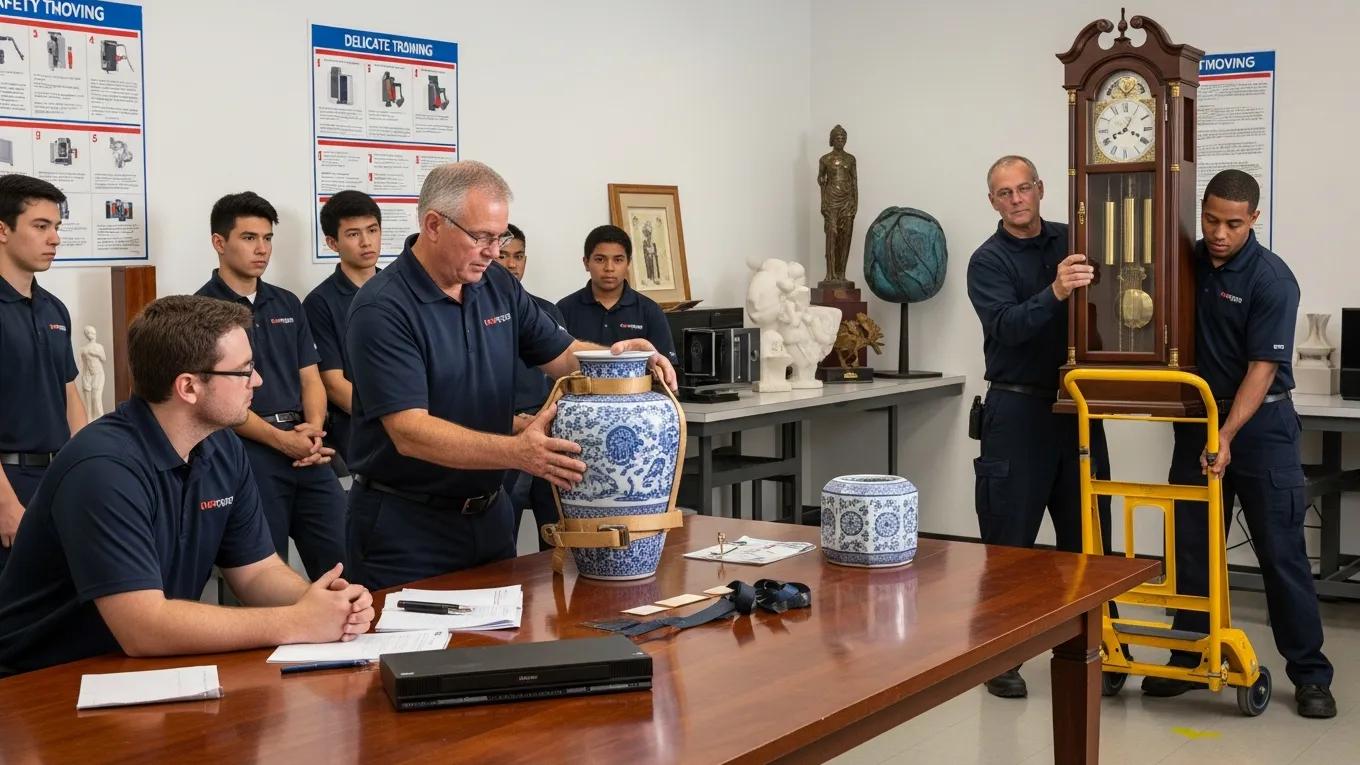
Training combines theoretical instruction with practical exercises. New staff receive rigorous training in safe lifting and handling to prevent damage and injury. Simulated moves prepare teams to address scenarios encountered during specialty transports. Attention to detail in training supports compliance with industry safety standards and consistent service quality.
How Does Insurance and Valuation Protect Your High-Value Moves?
Insurance and valuation options offer an additional layer of protection against loss or damage during transport.
- Full Value Protection: This option provides coverage for the cost of repair or replacement, ensuring items are financially protected.
- Third-Party Insurance Options: Some movers offer additional options for insurance that may cover events beyond their liability.
- Assessing Item Value: Accurate assessment of an item’s value prior to moving is essential for understanding the insurance coverage required to protect it.
These insurance options establish a financial safeguard and contribute to client confidence throughout the moving process.
How Is Item Valuation Conducted for Fragile and Valuable Assets?
Valuation for fragile and valuable assets typically involves a thorough assessment process that includes:
- Inventory Assessment: All items are documented with detailed descriptions to establish their current condition and value.
- Policy Comprehension: Moving companies ensure clients understand their insurance coverage options, detailing what is and isn’t included.
- Protection Recommendations: Movers often recommend specific protection measures based on the item type, including packing and crating methods adopted.
This valuation process manages expectations and helps ensure adequate coverage during transport.
What Differentiates Local Versus Long-Distance Specialty Moving Services?
Local and long‑distance specialty moving services differ in operational scope and pricing. Local moves are often quicker and involve fewer logistical challenges, while long‑distance moves require detailed planning to address differing state regulations, extended transit times, and associated costs. Understanding these differences is important when planning a specialty move, as they affect timeline and budget.
How Are Specialty Movers Selected Based on Move Distance?
Mover selection often depends on the distance of the move. Critical selection criteria may include:
- Experience with Distance: Movers with a proven track record in long-distance or local moves are often preferred to ensure familiarity with the appropriate strategies.
- Licensing and Insurance: Valid licensing and insurance coverage are essential regardless of distance, protecting clients during transit.
- Customer Reviews: Client testimonials often highlight the nuances of a particular mover’s service based on the distance of the move.
Selecting a mover with appropriate experience and reliability helps ensure a smooth moving process, regardless of distance.
How Can You Request a Quote and Consultation for Specialty Item Moving?
Requesting a quote for specialty moving services typically follows specific steps:
- Contact Method: Reach out via phone or email to initiate a quote request.
- Information to Provide: Gather information about the items being moved, including their types and dimensions, to provide movers with necessary details.
- Consultation Process: After providing the information, movers will usually arrange a consultation to discuss logistics and confirm pricing estimates.
For assistance with a specialty move, contact DeVries Family Moving and Storage at (772) 878-7088 for a tailored quote and personalized service.
How Do Specialty Movers Customize Solutions to Meet Individual Requirements?
Specialty movers customise solutions by tailoring packing techniques, employing climate‑controlled transport, and using specialised equipment for unique items. Assessing client requirements enables movers to develop a plan that maximises protection and efficiency for each situation, improving client satisfaction and outcomes during the move.
Frequently Asked Questions
What precautions should I take when moving fragile items on my own?
If you move fragile items independently, take the following precautions: use high‑quality packing materials such as bubble wrap and sturdy boxes, label each box with contents and handling instructions, maintain an inventory checklist, secure the load in the vehicle to prevent shifting, and, where possible, transport items in a climate‑controlled vehicle to protect them from temperature fluctuations.
Are there specific insurance requirements for moving high-value items?
Yes. Understand the insurance options available before moving high‑value items. Movers commonly offer Full Value Protection, which covers repair or replacement costs for lost or damaged items. Consider third‑party insurance for coverage beyond the mover’s liability. Assess item value in advance and discuss customised insurance options to ensure adequate protection throughout transport.
How can I prepare my specialty items for a move?
Preparation involves cleaning items and documenting any pre‑existing damage, using appropriate packing supplies tailored to each item’s fragility, and maintaining an inventory that notes specific handling requirements. For particularly delicate items, consult professional movers for packing guidance or services to reduce risk during transport.
What types of vehicles do specialty movers use?
Specialty movers utilise climate‑controlled trucks for temperature‑sensitive items and vehicles equipped with advanced shock‑absorption systems to minimise movement and vibration. They also use specialised equipment such as dollies and lifts for safe loading and unloading, and may employ reinforced interiors and secure fastening systems to protect delicate items during transit.
How does climate control affect the moving of specialty items?
Climate control is essential for items sensitive to temperature and humidity changes, such as fine art, antiques, and certain electronics. Environmental fluctuations can cause warping, mold growth, or material degradation. Climate‑controlled transport maintains consistent conditions throughout the move, which helps protect these items; confirm climate control options when selecting a moving service for delicate possessions.
Can specialty movers handle international moves?
Yes. Many specialty movers handle international moves, though complexity increases. International relocations involve customs regulations, import/export restrictions, and possible tariffs on high‑value items. Select movers experienced in international shipping who understand the applicable regulations and can coordinate logistics, documentation, and insurance requirements for overseas transport.
What advice do expert movers give for moving antiques?
Experts recommend documenting the condition of each antique before the move, using custom crating or specialised packaging to limit movement, clearly labelling items and maintaining an inventory, and consulting specialists when possible. Additionally, consider climate control to protect materials that are sensitive to environmental changes.
Conclusion
Understanding the requirements for specialty item moves reduces risk when relocating fragile and high‑value possessions. Engaging expert services ensures proper packing and handling to protect your items during transit. Contact DeVries Family Moving and Storage for a personalized consultation to safeguard your valuable belongings.