By Eric DeVries, DeVries Family Moving & Storage
Relocating delicate items presents specific risks and logistical challenges that require deliberate planning and professional expertise. This article outlines specialised fragile-item moving services, established packing techniques, and the role of insurance and compliance in mitigating loss. It explains the responsibilities of specialty movers, common packing materials, and the protective measures that support safe transport. For full-service relocation options that address these needs, review residential moving services that manage the complete move.
Specialized Packing

Specialized packing reduces the likelihood of breakage for items such as glassware, antiques, and electronics by using appropriate materials and controlled techniques. Trained personnel apply standardised wrapping, bracing, and cushioning methods to limit movement and absorb transit shocks. These processes are part of a risk-managed approach to handling fragile goods.
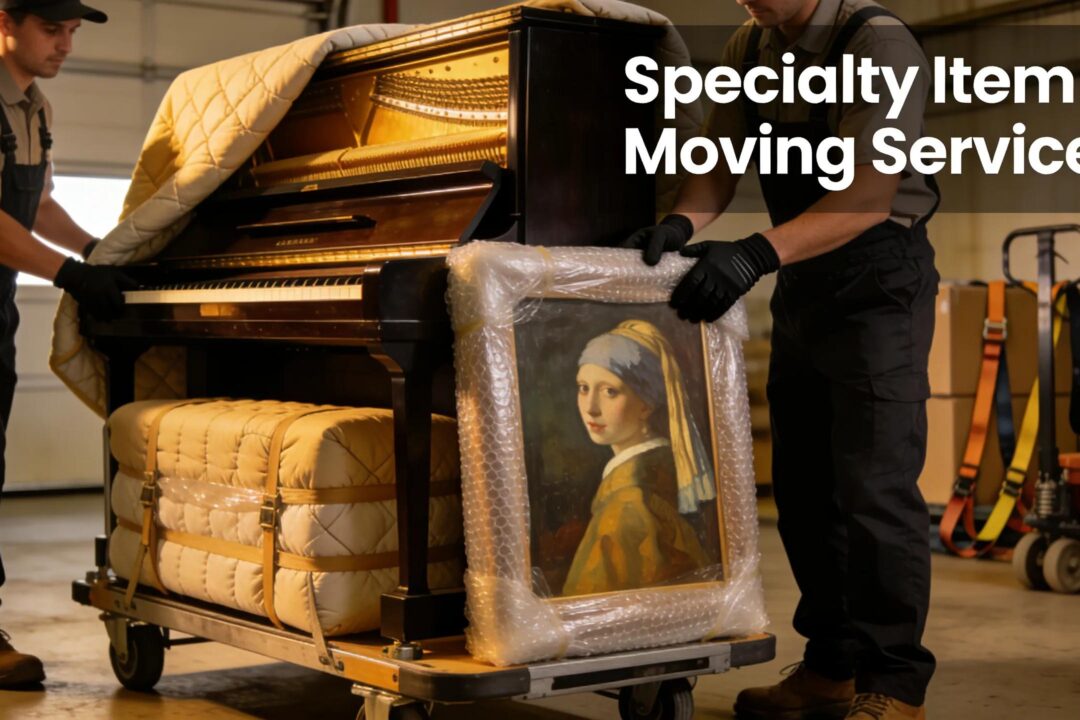
Professional moving firms provide custom solutions that align materials and methods with each item’s vulnerability. Use of bubble wrap, reinforced cartons, and custom crating are common measures that increase protection and meet client requirements. Providers such as DeVries Family Moving and Storage are cited as examples of services that offer this level of care.
Tips for a Smooth Moving Experience with Delicate Items
Successful fragile-item relocations require advance planning, clear labelling, and coordinated communication with your mover. These elements reduce handling errors and support accountability throughout the move.
- Declutter and Organize: Before the packing process begins, sort through your belongings to identify what needs to be moved. This step not only eases the packing but also helps in labeling and inventory creation.
- Label Everything: Clearly label all boxes containing fragile items. Using labels such as “Handle with Care” will ensure movers are aware of the contents and can take the necessary precautions.
- Communicate with Movers: Discuss any specific concerns or unique items with your moving company. The more they know about your fragile belongings, the better they can prepare for their safe transport.
DeVries Family Moving and Storage highlights these practices as part of a systematic approach to reduce risk and deliver consistent results for clients.
What Specialized Fragile Item Moving Services Do Local Movers Provide?
Local movers offer services tailored to fragile goods, including specialised packing protocols, insurance options, and vehicles fitted with protective features. They perform assessments to determine appropriate handling and packaging strategies for sensitive items.
Providers frequently supply custom crating for unique or high-value items and implement handling procedures designed to limit exposure to damage. Delegating fragile items to experienced teams allows clients to focus on other logistical tasks while preserving asset integrity.
How Do Specialty Fragile Item Movers Ensure Safe Handling?
Specialty movers enforce documented safety procedures to secure delicate items. Key measures include staff training, client communication protocols, and the use of high-quality cushioning materials to mitigate shocks and vibration during transit.
- Trained Staff: Movers trained specifically in the transportation of fragile items understand the nuances of handling such belongings, including appropriate lifting and stacking techniques.
- Proper Communication: Effective communication between the moving team and clients is critical. This helps in addressing specific handling needs for certain items.
- Cushioning Techniques: Professional movers utilize high-quality cushioning materials, such as foam and padding, to absorb shocks and prevent movement within packaging.
Applied together, these controls form a defensible process that preserves fragile items throughout packing, transit, and delivery.
Which Professional Packing Materials Are Used for Fragile Items?
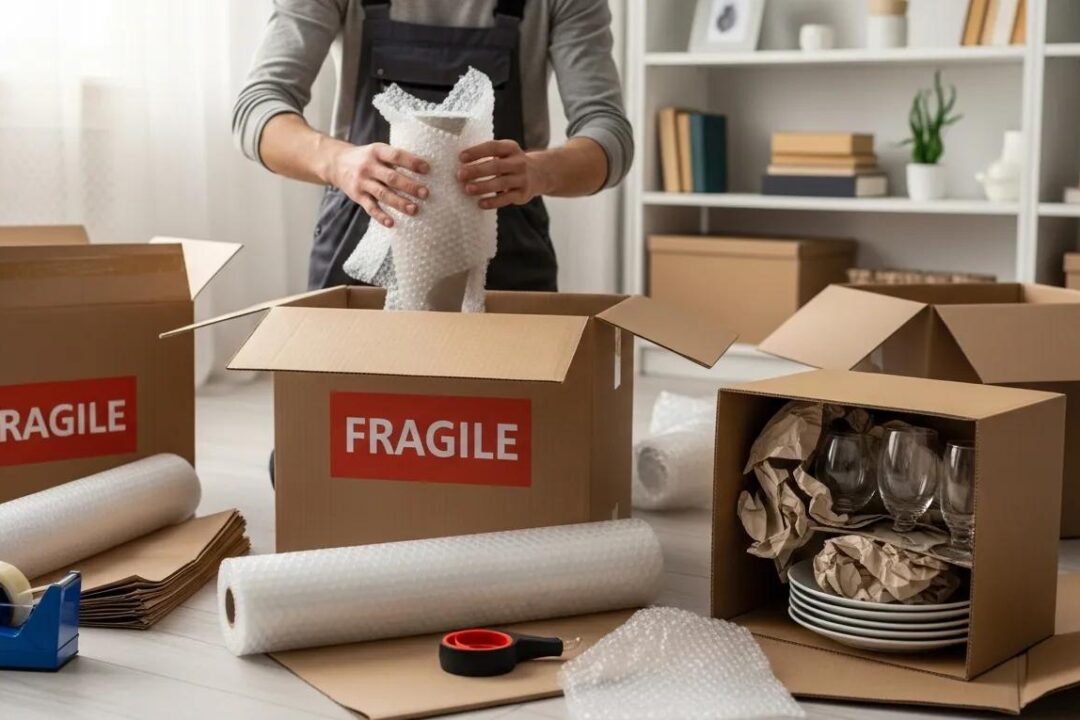
The choice of packing materials directly affects protection levels. Commonly used items include bubble wrap for shock absorption, packing paper for surface protection, and void-fill materials to prevent internal movement. Material selection should match item fragility and transport conditions.
| Packing Material | Effectiveness | Best Use |
|---|---|---|
| Bubble Wrap | High | Glassware, ceramics |
| Packing Paper | Medium | Wrapping items, filling gaps |
| Foam Peanuts | High | Cushioning items in boxes |
Appropriate material combinations create a controlled packaging environment that minimises damage risk during handling and transit.
How Can Customized Packing and Crating Services Protect Delicate Items?

Customized packing and crating provide tailored protection for non-standard or high-value items. Custom crates are engineered to secure specific dimensions and reduce exposure to external forces, while bespoke cushioning prevents internal movement.
- Creation of Custom Crates: Custom-built crates can be produced to fit specific items snugly, offering superior protection against external elements.
- Cushioning Techniques: Professionals utilize tailored cushioning solutions to secure items firmly within the crate, preventing any movement.
- Special Handling Services: Some items may require special handling procedures, which trained movers are equipped to offer, ensuring that everything arrives in perfect condition.
Selecting customised solutions reduces liability exposure and increases the probability of undamaged delivery for sensitive goods.
What Are the Best Practices for Packing Different Types of Fragile Goods?
Adhering to established packing best practices optimises protection for varied fragile goods. This includes selecting materials appropriate to item composition, wrapping items individually, and maintaining an accurate inventory to support tracking and claims if required.
- Choose the Right Materials: Use appropriate packing materials for each type of item. For instance, use bubble wrap for glass items and sturdy boxes for heavier objects.
- Wrap Items Individually: Each fragile item should be wrapped separately to prevent contact that could lead to damage.
- Create a Detailed Inventory: Documenting the items being packed allows for easy tracking and ensures nothing is left behind during the move.
Consistent application of these practices lowers the incidence of transit damage and supports efficient claims handling when necessary.
When Are Specialty Crating Solutions Recommended for Fragile Moves?
Specialty crating is advisable where standard packaging cannot mitigate identified risks. Situations include artworks, antiques, and large items that are sensitive to shock, vibration, or environmental changes.
- Transporting Fine Art: Art pieces are sensitive to temperature changes and physical shocks, making custom crating essential.
- Moving Antiques: Antique furniture and collectibles benefit from the added security that crating provides.
- Relocating Pianos: Due to their size and delicacy, pianos often require specialized moving techniques and custom crates.
Correctly identifying these cases and applying crating solutions is critical to preserving item condition and limiting liability.
What Are the Best Insurance Options Are Available for Fragile Item Moving Services?
Insurance is a core risk-transfer mechanism for fragile-item moves. Available options typically range from basic coverage, which provides limited protection often tied to weight, to full value protection that compensates for repair or replacement at declared value. Optional endorsements may cover exceptionally valuable items.
- Basic Coverage: This is typically included in the moving service but may only provide limited protection based on item weight.
- Full Value Protection: Offers comprehensive coverage that ensures compensation at full replacement value in case of damage or loss.
- Optional Add-Ons: Some companies may offer additional insurance options for high-value items for added peace of mind.
Careful review of policy terms, exclusions, and claims procedures is necessary to select coverage that aligns with the value and vulnerabilities of your items.
How Does Insurance Coverage Protect Against Damage or Loss?
Insurance provides financial recourse in the event of accidental damage or loss during a move. Clients should familiarise themselves with covered perils, valuation methods, and required documentation to support a claim.
- Types of Damages Covered: Most policies cover various forms of damage, including accidental breakage and full loss of items.
- Claims Process: Familiarize yourself with the claims process, including the documentation needed to substantiate a claim.
- Documentation Requirements: Keeping receipts and photographs of valuable items can streamline the claims process and ensure that rightful compensation is received.
Understanding policy scope and documentation obligations enables clients to secure appropriate protection and expedite resolution if an incident occurs.
Why Is It Important to Verify Insurance When Hiring Fragile Movers Near Me?
Verifying a mover’s insurance is a key due-diligence step that reduces financial exposure for clients. Confirm coverage limits, valuation basis, and any exclusions before contracting services.
- Mitigate Risks: Ensuring that your movers have adequate insurance can protect against potential financial loss due to damage or theft.
- Understand Policy Types: Clients can familiarize themselves with the types of coverage offered, ensuring their valuables are appropriately protected.
- Comparing Providers: Using this information to compare insurance options can help identify the best service for your specific needs.
Performing this verification protects both the property and the client’s financial interests throughout the moving process.
What Steps Comprise a Stress-Free Fragile Item Moving Process?
Key steps for a controlled fragile-item move include early logistical planning, a professional assessment of items, and ongoing communication with the moving provider to address operational adjustments and compliance requirements.
- Preparation Planning: Begin early by planning out logistics and scheduling of the move.
- Professional Assessment: Have professionals assess the fragile items to develop an appropriate moving plan.
- Communication: Maintain open communication with the moving team to address any concerns or adjustments as they arise.
Adhering to these steps promotes operational clarity and reduces the likelihood of handling errors during transport.
How Does a Professional Fragile Moving Company Conduct Pre-Move Assessments?
Pre-move assessments identify item condition, dimensions, and handling requirements to inform packing methods and logistics. Assessments should generate an inventory, evaluate fragility, and document special handling needs to support risk management and claims traceability.
- Assessment Criteria for Fragile Items: Movers evaluate the types and conditions of fragile goods to determine the necessary packing methods and materials.
- Inventory Documentation: Taking a detailed inventory protects both the customer and moving company by keeping track of all items.
- Customized Moving Plan Benefits: Developing a tailored plan based on the assessment ensures better preparation and execution on moving day.
Comprehensive assessments enable tailored strategies that reduce exposure to damage and facilitate efficient execution on moving day.
What Are the Critical Phases During Fragile Item Packing, Transport, and Delivery?
Critical phases include secure packing using approved techniques, transport under controlled conditions in suitable vehicles, and delivery with careful handling and verification against inventory. Each phase requires documented procedures to ensure accountability.
- Packing Techniques: Best practices for wrapping and packing items securely to avoid damage.
- Transportation Protocols: Employing appropriate transport vehicles that are well-suited for fragile cargo.
- Delivery Procedures: Ensuring careful handling and prompt delivery to maintain the integrity of fragile items upon arrival.
Focusing on these phases supports a defensible chain of custody and reduces the likelihood of loss or damage.
How Can Customers Obtain Accurate Free Quotes for Fragile Moving Services Near Me?
To obtain accurate estimates, request written quotes from multiple providers, supply detailed item descriptions and values, and confirm which services and insurance options are included. Compare scope and exclusions rather than price alone.
- Requesting Quotes: Reach out to multiple moving companies to compare service offerings and pricing.
- Providing Detailed Information: Supply detailed descriptions of the items being moved, including values and any specific requirements.
- Evaluating Quote Inclusions: Assess what is included in the quotes, such as insurance options and packing services.
Following these steps results in more reliable estimates and supports informed procurement decisions.
What Information Is Needed to Receive a Precise Fragile Move Estimate?
A precise estimate requires a detailed inventory, proposed moving dates, distance, and any special handling requirements. Accurate data permits correct resource allocation and pricing.
- Inventory List of Items: A detailed list helps movers evaluate requirements accurately.
- Moving Dates and Distance: Providing the timeline and distance allows for more accurate scheduling and pricing.
- Special Item Requirements: Mention any unique handling needs for particularly delicate items so movers can prepare adequately.
Providing complete and accurate information enables movers to produce a comprehensive estimate that reflects the move’s actual scope and risks.
How Do Transparent Quotes Enhance Customer Trust and Decision-Making?
Transparent quotes disclose pricing, service scope, and exclusions, which reduces the risk of unexpected charges and supports comparative evaluation across providers. Transparency is fundamental to contractual clarity and trust.
- Importance of Clear Pricing: Understanding all costs associated with the move ensures no hidden fees surprise customers.
- Building Trust with Customers: Clear communication regarding quotes builds credibility and confidence in the mover’s services.
- Facilitating Informed Choices: By evaluating multiple transparent quotes, customers can make choices aligned with their priorities and budgets.
Emphasising transparency helps clients select a mover whose terms, coverage, and pricing align with their legal and financial expectations.
What Are Expert Tips for Ensuring a Safe and Stress-Free Fragile Item Relocation?
Key recommendations include investing in quality packing materials, engaging carriers specialised in fragile items, and maintaining a written checklist that documents preparation tasks and responsibilities.
- Use Quality Packing Materials: Invest in high-quality packing supplies, including sturdy boxes and cushioning materials.
- Professional Moving Services Recommendation: Engage a moving company specializing in fragile items for optimal results.
- Preparation Checklist: Create a checklist detailing all tasks leading up to the move to ensure thorough preparation.
Applying these measures reduces operational risk and supports a defensible approach to protecting valuable or sensitive items.
How Can Customers Prepare Fragile Goods Before Movers Arrive?
Prepare by assembling appropriate packing materials, compiling a detailed inventory, and grouping items by fragility and packing method to streamline handling and reduce handling time on site.
- Choosing Correct Packing Materials: Ensure that appropriate packing materials are stocked in advance.
- Creating an Inventory: List all fragile items to maintain organization and provide clarity during the move.
- Organizing Fragile Items: Group items effectively based on how they will be packed for efficient handling.
These preparatory steps improve efficiency on moving day and enhance protection for fragile goods.
What Common Fragile Moving FAQs Should Customers Consider?
Common questions address preparation, insurance, and whether to use professional packers. Understanding these topics supports appropriate risk allocation and selection of services.
- How Should I Prepare My Items for the Move?: Regular preparation includes contacting your movers for guidance on specific needs.
- What Happens If My Item Gets Damaged?: Ensuring you have proper insurance can ease the concerns about potential losses.
- Can I Pack My Own Fragile Items?: While DIY packing is possible, professional packing offers higher levels of protection.
Reviewing these FAQs helps clients make informed decisions about responsibilities, coverage, and service levels prior to contracting a mover.
To minimize the risk of damage during transit, preventative strategies are crucial.
Preventive Maintenance and Care for Fragile Items
Prevention also includes techniques such as deacidifying items printed on wood-pulp paper, stabilising bindings, encasing fragile items, and improving handling protocols for library materials. The use of surrogate copies is a recognised strategy to reduce handling stress. The Evidence in Hand: Report of the Task Force on the Artifact in Library Collections. Optimizing Collections and Services for Scholarly Use., 2001
Frequently Asked Questions
What are the costs associated with hiring professional fragile item moving services?
Costs vary according to distance, item quantity, complexity of packing, and any required specialised services. Typical ranges may span from a few hundred to several thousand dollars; obtain written estimates from multiple providers to compare scope, exclusions, and insurance terms before contracting.
How can I find reputable fragile item movers near me?
Identify reputable movers by reviewing verified customer feedback, confirming licensing and insurance, and requesting references for similar work. Verify credentials and ask for documentation of experience handling fragile or high-value items prior to engagement.
What should I do if my fragile items get damaged during the move?
Document damage immediately with photographs and written descriptions, retain original purchase records where available, and notify the moving company to initiate the claims process. Follow the insurer’s documentation requirements and timelines to preserve entitlement to compensation.
Are there items that should not be moved with fragile item moving services?
Certain hazardous materials, legally restricted items, and irreplaceable personal documents typically should not be transported by movers. Owners should retain control of cash, original identification, and regulated substances. Confirm any carrier restrictions in advance.
What type of packing materials are best for fragile items during a move?
Preferred materials include bubble wrap for impact protection, packing paper for surface protection, void-fill to prevent internal movement, and custom crates for oversized or high-value pieces. Material selection should align with the item’s fragility profile and transport conditions.
Can I pack my own fragile items, or should I hire professionals?
Clients may pack items themselves if competent in proper methods, but professional packers provide consistent, documented procedures that reduce risk. Evaluate the value and fragility of items, and consider professional services where liability and replacement costs are significant.
What steps can I take before the movers arrive to ensure my fragile items are safe?
Before movers arrive, assemble appropriate materials, finalise an inventory with values and photographs, and label items clearly. Communicate any special handling instructions to the moving team and confirm insurance coverage and documentation requirements.
Conclusion
Engaging professional fragile-item moving services provides documented packing standards, trained personnel, and insurance options that together reduce operational risk. Confirm service scope, insurance terms, and handling procedures to ensure your valuables receive appropriate protection. Contact the provider listed to obtain detailed service information and schedule a professionally managed move.