By Eric DeVries, DeVries Family Moving & Storage
Safe transport of fragile items requires meticulous planning and appropriate materials to ensure they arrive intact. This guide details optimal packing techniques, moving strategies, and insurance options for fragile-item transportation. It provides practical measures to improve the protection of valuable possessions during a move. Because handling delicate items increases risk, adherence to established best practices reduces the likelihood of damage. The article reviews effective packing materials, recommends secure moving boxes, and outlines advanced protection methods. It also explains how professional movers can provide reliable transportation.
Packing Techniques

Effective packing techniques are fundamental to preserving fragile items during transport. These methods require deliberate selection and use of materials that cushion and protect delicate objects. Using appropriate materials and precise methods reduces the risk of damage during handling and transit. Implementing industry best practices—cushioning, correct wrapping, and clear labelling—helps ensure fragile possessions remain secure.
- Use High-Quality Packing Materials: Invest in robust packing products designed specifically for fragile items, such as double-walled boxes and heavy-duty bubble wrap.
- Cushion and Secure Items Properly: Ensure items are well-cushioned using packing paper, foam peanuts, or bubble wrap, creating a barrier against shocks and impacts during transit.
- Label and Create Inventory: Clearly label boxes containing fragile items and maintain a detailed inventory to track belongings effectively.
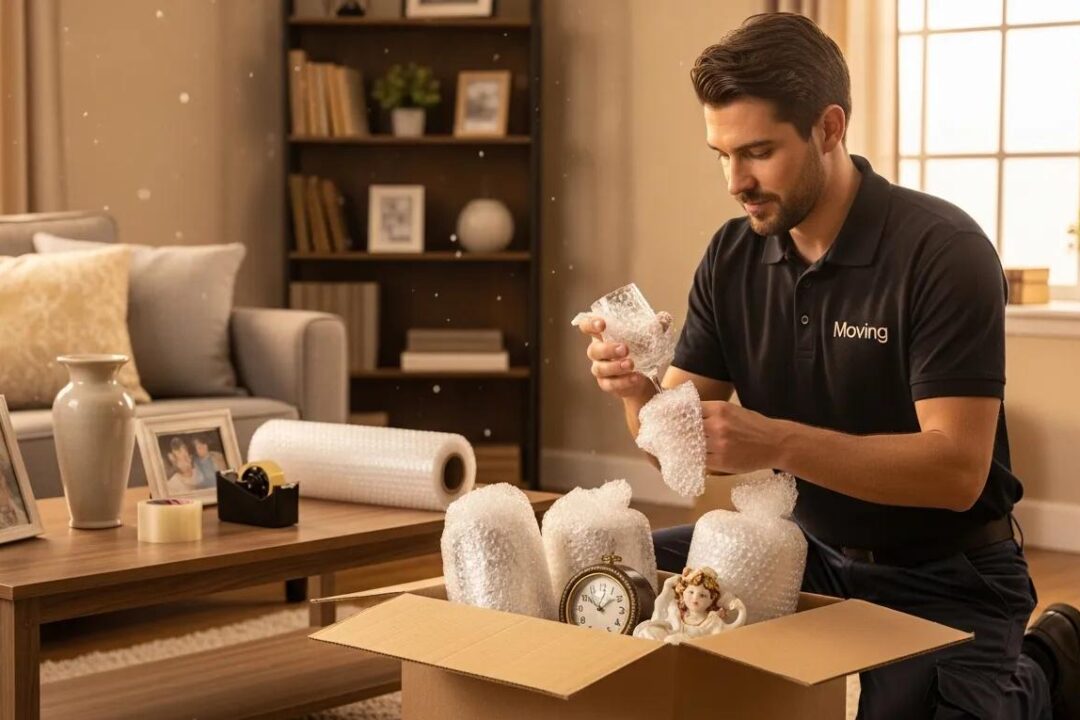
Professional moving services provide specialised packing services to safeguard fragile items, simplifying the process and increasing transport security.
Moving Strategies
Applying deliberate moving strategies streamlines the transition and protects fragile items. Beginning the process early improves organisation and reduces last-minute packing errors that can cause damage. Clear communication with the moving team is essential to address handling requirements and align expectations for specific fragile items.
- Start Early: Begin packing several weeks in advance to avoid rushed decisions and ensure every fragile item is handled with care.
- Communicate with the Moving Team: Discuss specific needs and provide special instructions on how fragile items should be handled.
- Maintain Clear Pathways on Moving Day: Ensure that pathways are clear and free from obstacles during loading to prevent accidents or jostling of packed items.
Professional movers apply their expertise to plan and execute moves that prioritise the safe handling of fragile goods.
Insurance Options
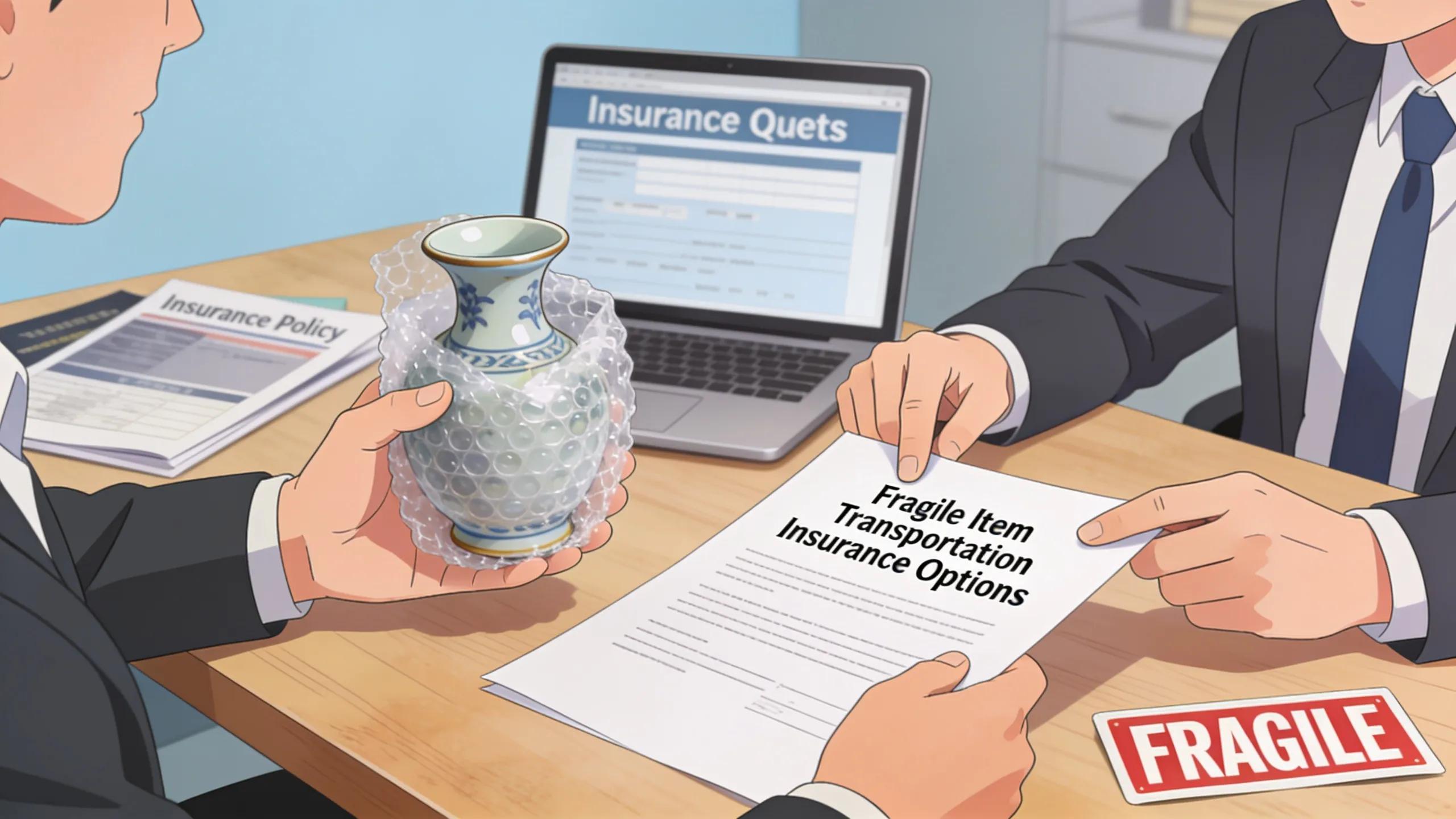
Evaluating available insurance options provides additional financial protection against unforeseen damage during transit. Assessing item value and reviewing policy terms and exclusions are critical steps when selecting appropriate coverage.
- Types of Moving Insurance: Various insurance options exist, including full-value protection and released-value protection, each providing different assurances.
- How to Assess the Value of Items: Clients should document the condition and estimated value of fragile items before the move to simplify claims processes if needed.
- Understanding Policy Terms: Familiarizing oneself with coverage details and exclusions is crucial to avoid surprises after a claim occurs.
Clients who engage professional moving services benefit from transparent discussions about insurance options, enabling informed decisions that protect their belongings.
What Are the Key Packing Materials for Safe Fragile Item Transportation?
Selecting appropriate packing materials is essential to protect fragile items. Several widely recommended materials offer effective damage prevention during transportation.
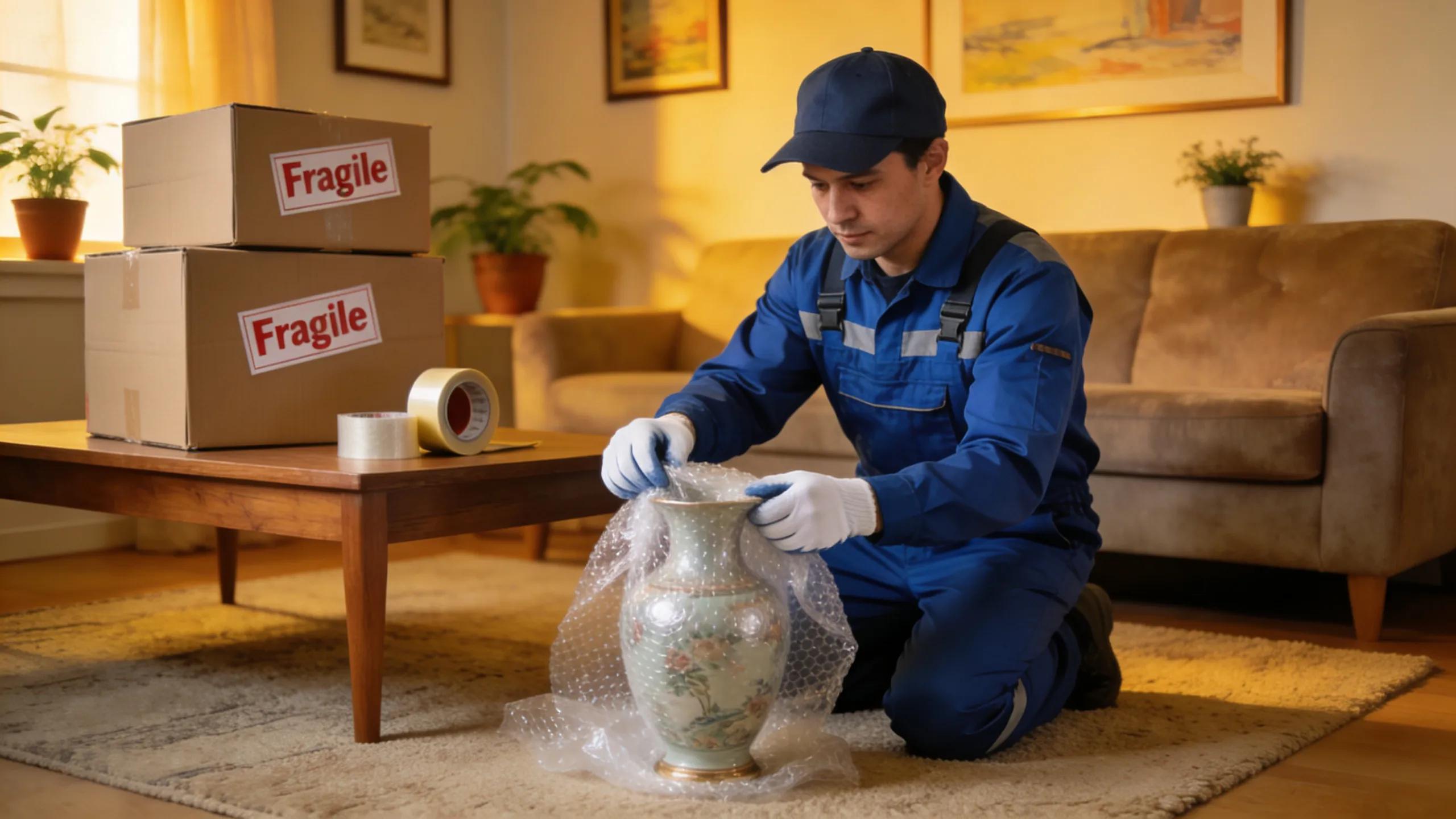
- Bubble Wrap Effectiveness: Bubble wrap provides excellent cushioning properties, conforming around irregular shapes to absorb impacts.
- Packing Paper Utility: Packing paper is vital for wrapping delicate items, preventing scratches and surface damage during transport.
- Foam Peanuts Advantages: Foam peanuts offer additional cushioning in boxes, filling empty spaces and limiting item movement.
Used together, these materials create a protective environment that reduces the risk of damage to fragile items during a move.
Which Secure Moving Boxes and Custom Crating Options Are Recommended?
Choosing secure moving boxes and, where appropriate, custom crating is critical for the transportation of fragile items.
- Use Sturdy, Durable Boxes: High-quality boxes are fundamental to providing the necessary protection against punctures and collapses.
- Consider Custom Crating for High-Value Items: For exceptionally delicate or valuable items, custom crating offers tailored protection that standard boxes may not provide.
These recommendations help ensure that both standard and high-value fragile items receive appropriate protection during transit.
How Do Innovative Packing Materials Enhance Protection for Glass and Antiques?
Advanced packing materials can significantly improve protection for glass and antiques, which often require specialised handling and additional protection.
- Impact of Bubble Wrap: Specialized bubble wrap is designed to accommodate delicate items, offering superior cushioning.
- Use of Foam Peanuts: The lightweight composition of foam peanuts provides effective protection without adding significant weight.
- Importance of Packing Paper: Using high-quality packing paper adds an additional layer of protection around delicate surfaces, preventing abrasion.
These materials reflect technical improvements in packing designed to preserve the condition of fragile items.
How Do Professional Fragile Item Movers Ensure Reliable and Safe Transportation?
Professional movers apply specialised knowledge and procedures to reduce risk and ensure reliable transportation of fragile items.
- Proper Lifting Techniques: Movers are trained in best practices for lifting and carrying sensitive items, reducing the chance of mishaps.
- Use of Specialized Packing Materials: Access to advanced packing materials tailored for specific objects enhances overall protection during transit.
- Trained Staff and Safety Protocols: Employing a team trained in safety protocols ensures that all items are handled with care throughout the moving process.
Professional movers demonstrate these practices in order to ensure clients’ fragile items are transported with utmost care.
What Specialized Techniques Do Experts Use for Handling Fragile Household Goods?
Specialist handlers employ a range of specific techniques to minimise risk when moving fragile household goods.
- Use of Color-Coded Labels: Labeling boxes with color codes designates special handling needs, ensuring clear communication about item sensitivity.
- Creating an Inventory List: Maintaining a detailed inventory helps track items before and after the move, offering peace of mind.
- Quality of Packing Materials: Investing in the best packing materials significantly impacts the level of protection fragile items receive.
These techniques demonstrate a commitment to rigorous standards in the handling of delicate possessions.
Why Does Experience and Certification Matter in Fragile Item Moving Services?
Selecting movers with relevant experience and recognised certifications is important for the safe transportation of fragile items.
- Industry Standards Adherence: Experienced movers are familiar with industry standards that govern safe packing and transportation practices.
- Benefits to Service Quality: Certified professionals often demonstrate advanced training, ensuring high-quality service and handling.
- Examples of Certified Professionals: Relying on certified moving organizations ensures adherence to best practices in the industry.
Engage recognized professionals to reduce risk and ensure reliable handling of fragile items.
What Are the Best Packing Techniques Specifically for Fragile Glass Items?
Packing fragile glass items requires specific techniques designed to minimise impact and abrasion.
- Wrap Items Securely: Properly wrapping glass items in multiple layers of packing paper or bubble wrap is essential to absorb shocks.
- Fill the Box with Cushioning Material: Using packing materials to fill gaps in boxes prevents movement and potential damage during transit.
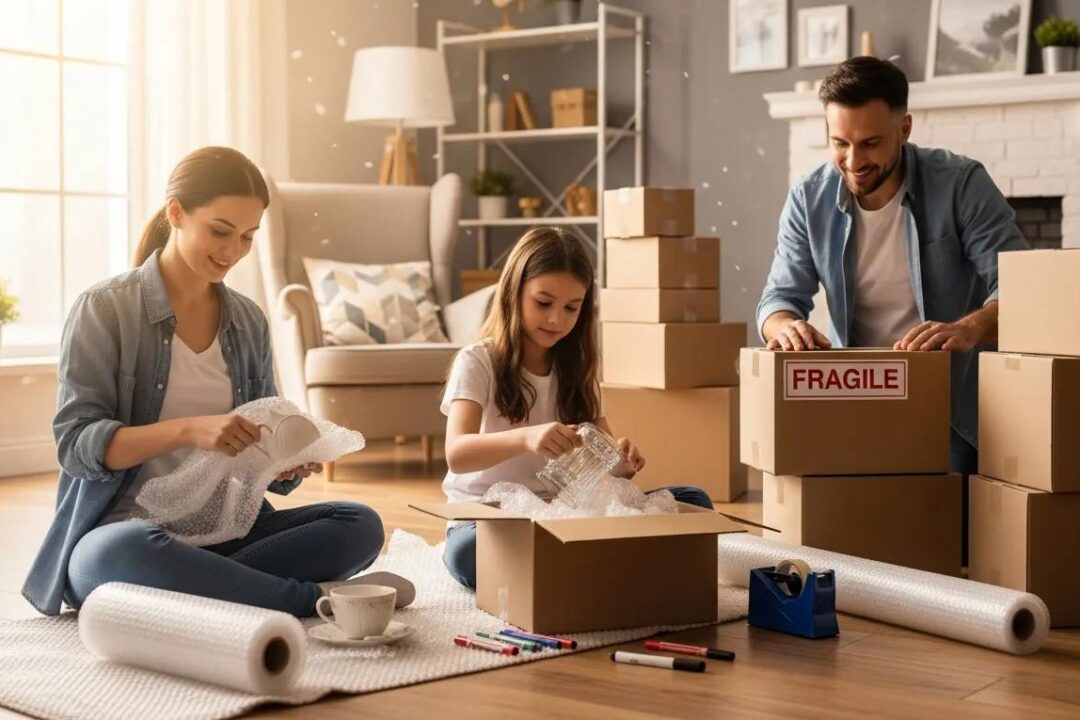
- Label the Box as Fragile: Clearly labeling boxes as fragile communicates the need for extra care, helping those involved in handling to be more vigilant.
Applying these techniques preserves the structural integrity of glass items during transportation.
How Should Glassware Be Wrapped and Secured for Maximum Safety?
Wrapping and securing glassware requires methodical attention to ensure maximum safety throughout the move.
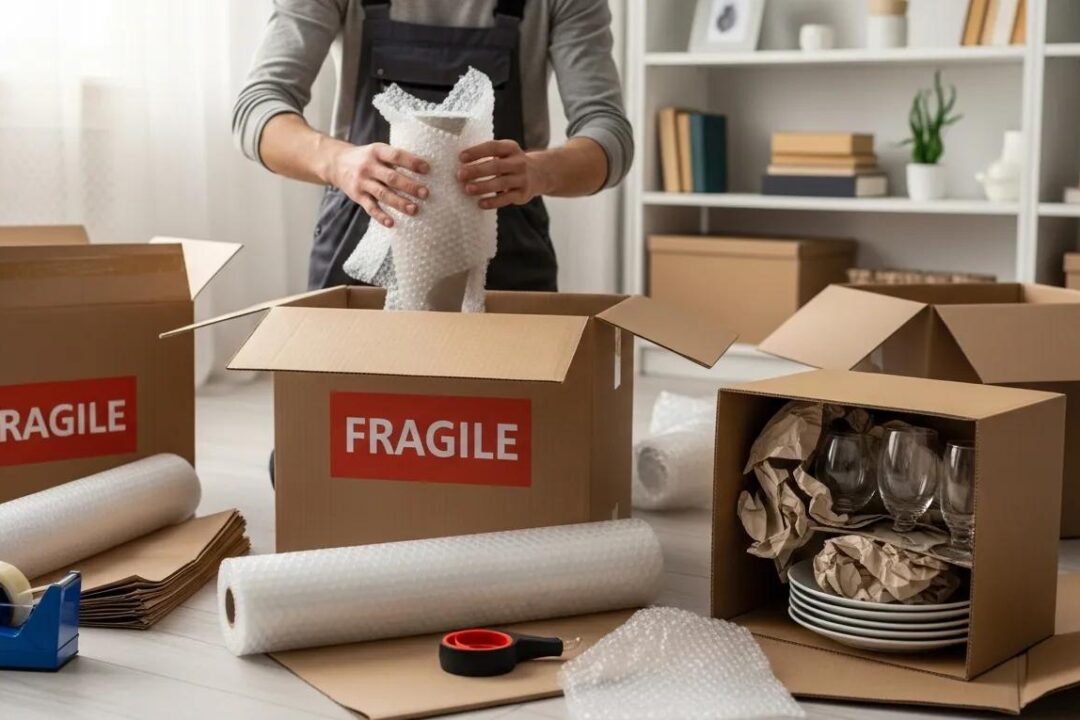
- Use Packing Paper and Bubble Wrap: First, wrap each glass piece in packing paper to protect it from scratches, followed by bubble wrap for added cushioning.
- Fill the Box with Cushioning Materials: Once the glasses are placed inside the box, use packing paper or foam peanuts to fill any empty areas, limiting movement.
- Clearly Label the Box: Indicate that the contents are fragile, prompting care during handling.
This systematic approach is essential to protect glassware from damage during transit.
Which Eco-Friendly and Industry-Recommended Materials Are Optimal for Glass Protection?
Selecting eco-friendly packing materials supports sustainability while providing protection for glass items during moves.
- Eco-Friendly Materials: Materials such as biodegradable packing peanuts and recycled packing paper offer protective benefits without harming the environment.
- Industry Recommendations for Packing: Many moving experts advocate using sustainable products that provide adequate cushioning as well as environmental protection.
Adopting these materials supports both safety objectives and environmental responsibility in the moving process.
What Insurance Options and Liability Policies Protect Fragile Item Transportation?
When transporting fragile items, evaluating insurance and liability options helps mitigate financial exposure from damage.
- How Fragile Item Insurance Works: This type of insurance typically covers loss and damage during transit, giving owners reassurance.
- Claims Procedures for Fragile Items: Familiarizing oneself with the claims process ensures a smoother resolution should damages occur.
- Maximizing Protection for Item Transport: Understanding the limits of coverage helps clients choose policies that best fit their valuable belongings.
Careful consideration of these options enhances financial protection for clients’ fragile items.
How Does Fragile Item Move Insurance Work and What Does It Cover?
Fragile item move insurance provides coverage for loss or damage incurred during transport.
- Typically, this type of insurance includes coverage for various scenarios, whether due to handling errors or unforeseen incidents during transit.
How Can Clients Request Quotes and Benefit from Transparent Fragile Item Moving Services?
Requesting quotes for moves involving fragile items requires clear communication and comprehensive documentation.
- Information Needed for Quotes: Clients should provide details regarding the number of items, their types, and any special requirements during the quoting process.
- Comparing Quotes from Different Movers: It’s advisable to gather quotes from multiple moving companies to determine the best options available.
- Inquiring About Insurance Options: Understanding what insurance is included in each quote prioritizes the safety of fragile items.
Professional moving services assist clients through the quoting process, maintaining transparency and clear communication throughout.
How Do Professional Moving Services’ Service Guarantees Build Client Trust?
Trust is a core requirement for effective moving services, particularly when fragile items are involved.
- Clear Pricing and Professionalism: Providing transparent pricing models reduces surprise fees, and professionalism builds confidence in the moving process.
- Attention to Detail and Quality: Commitment to quality in the packing, loading, and transportation phases ensures items are handled with utmost care.
- Client Testimonials and Community Involvement: Engaging with the community and reflecting on positive client experiences strengthen the trust in service offerings.
These measures enable professional moving services to build sustained client relationships while ensuring the secure transport of fragile items.
Frequently Asked Questions
What is the best way to prepare fragile items for a move?
Preparing fragile items involves several essential steps. First, obtain high-quality packing materials, including sturdy boxes, bubble wrap, and packing paper. Wrap each fragile item with multiple protective layers. Place items in boxes without overcrowding and fill gaps with foam peanuts or additional packing paper to prevent movement. Finally, clearly label each box as ‘fragile’ so handlers are alerted to exercise caution. Proper preparation reduces the risk of damage.
How can I ensure my fragile items are safe during transport?
Ensuring the safety of fragile items depends on careful packing and coordination. Secure each item with bubble wrap or padding before placing it in a reinforced box. Use moving blankets for larger fragile objects to provide additional protection. On moving day, communicate handling instructions to the moving team so they understand which items require special care. Consider hiring movers experienced in fragile-item transport for enhanced protection.
What should I do if my fragile items arrive damaged?
If fragile items arrive damaged, take prompt and documented action. Photograph the damage and note the condition of the items and packaging. Review the selected insurance policy to confirm coverage and reporting requirements. Contact the moving company to file a claim and submit the required documentation. Act quickly, as many policies impose time limits for claims submission.
Are there eco-friendly packing options for fragile items?
Yes. Suppliers offer biodegradable packing peanuts, recycled packing paper, and reusable moving boxes as eco-friendly options. These materials can provide adequate cushioning while reducing environmental impact. Select materials that meet protection standards and environmental objectives.
What is the difference between full-value and released-value protection?
Full-value protection and released-value protection differ primarily in coverage level. Under full-value protection, the mover is responsible for repair or replacement up to the declared value of an item. Released-value protection is lower cost but provides limited liability, often calculated at a fixed amount per pound. Understanding these differences helps select appropriate coverage for the value of your belongings.
How important is it to communicate with my moving team?
Communication with the moving team is essential when handling fragile items. Clear instructions ensure all personnel understand which items need special handling and the specific procedures to follow for packing, loading, and unloading. Open dialogue reduces the likelihood of accidents and misunderstandings during the move. A well-informed team contributes significantly to risk reduction.
Should I hire professionals for moving fragile items?
Hiring professional movers is advisable for high-value or uniquely delicate items. Professionals have training, experience, and specialised equipment to handle fragile goods safely. They apply established best practices for packing and transport and can manage potential hazards effectively, providing greater assurance that items will arrive undamaged.
Conclusion
Transporting fragile items safely is attainable through effective packing techniques, strategic moving practices, and appropriate insurance coverage. The strategies outlined here strengthen your ability to protect valuable possessions. For a seamless move tailored to fragile items, consider engaging professional movers who specialise in this area. Learn more about available services and begin the process.