By Eric DeVries, DeVries Family Moving & Storage
Transporting fragile and specialty items requires deliberate planning and precise execution. This article summarises professional best practices for packing, handling, and specialised protection to minimise damage risk. It covers materials, methods, and tailored solutions used by industry experts to protect delicate possessions during transit and storage.
Professional Fragile Item Movers
Professional movers apply standardised techniques and material specifications to reduce damage exposure. Their methods prioritise secure packaging, item-specific handling protocols, and appropriate protective products to maintain integrity throughout the move. For comprehensive moving services, consider the expertise of professional movers.
Packing Materials

The effectiveness of protecting fragile items depends on selecting materials that meet impact absorption and stabilisation requirements. Common options include engineered cushioning, filler media, and fitted containment to limit movement and surface abrasion.
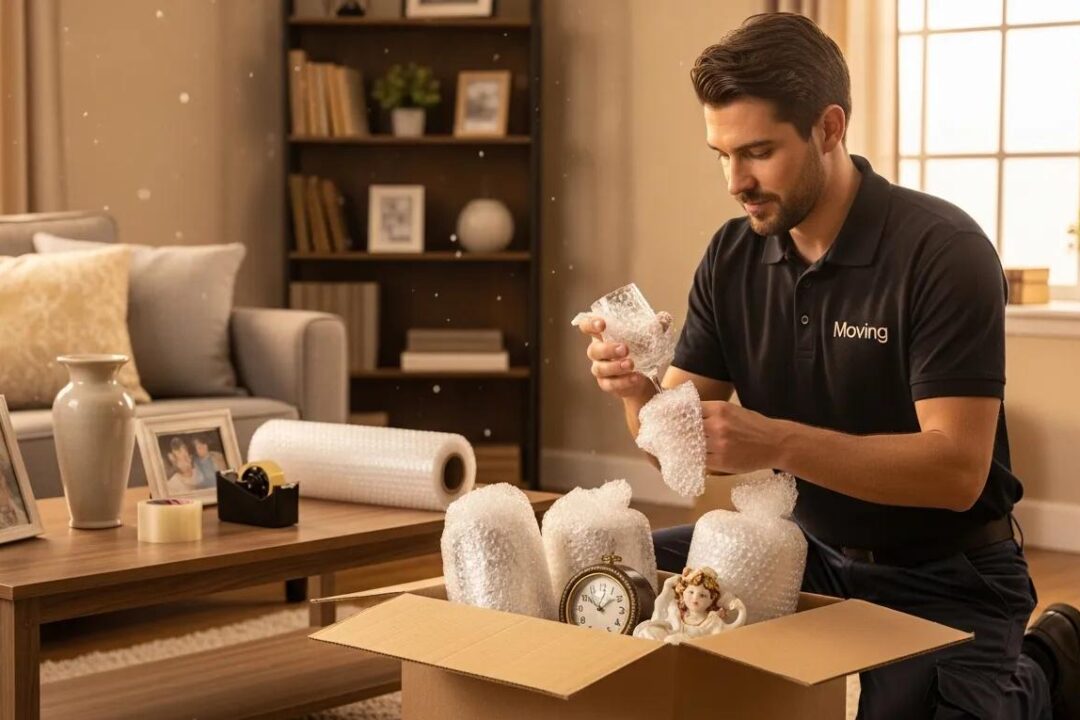
- Bubble Wrap: Provides cushioning and is ideal for wrapping delicate pieces to prevent impact damage.
- Foam Peanuts: These lightweight materials fill empty spaces and absorb shock, protecting fragile items from movement during transit.
- Protective Boxes: Custom boxes tailored to specific item shapes ensure a snug fit, reducing the risk of breakage.
Combining these materials according to item fragility and transit conditions establishes layered protection throughout the moving process.
Packing Techniques
Appropriate packing techniques ensure that protective materials perform as intended. Implement secure wrapping, internal bracing, and clear external identification to reduce handling and transit risks.
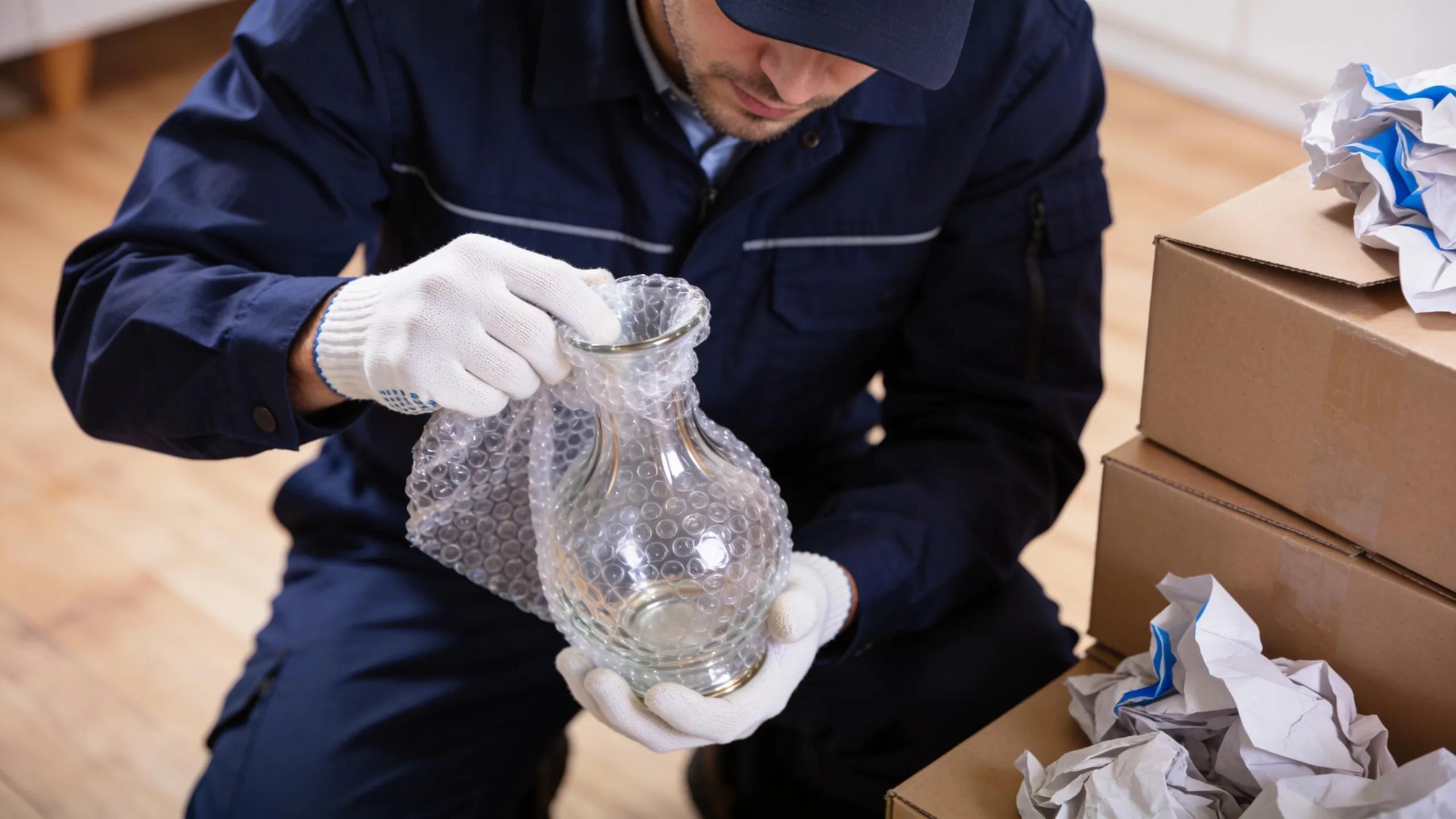
- Proper Wrapping: Individual items should be wrapped securely using bubble wrap or foam to prevent rattling in transit.
- Layering: Placing padding material between items can absorb shock and prevent contact among adjacent pieces.
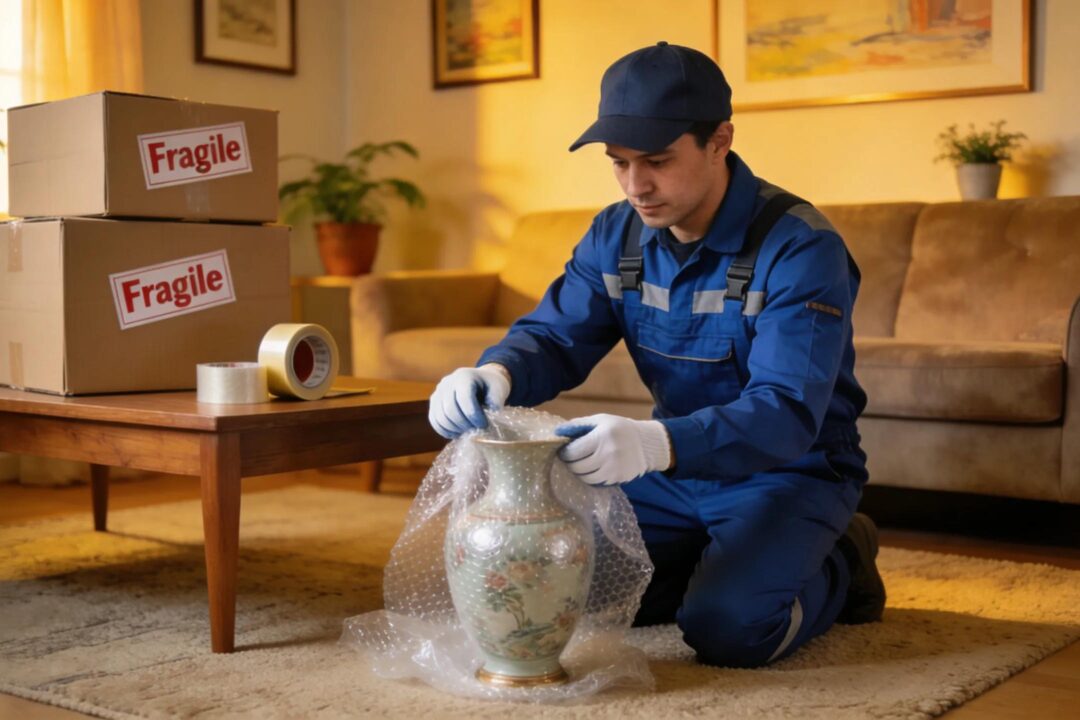
- Labeling: Clearly marking boxes as “fragile” alerts movers to the care required during handling, thus reducing potential damage.
These methods reduce mechanical stress on items and contribute to predictable handling outcomes during shipment.
Custom Crating Solutions
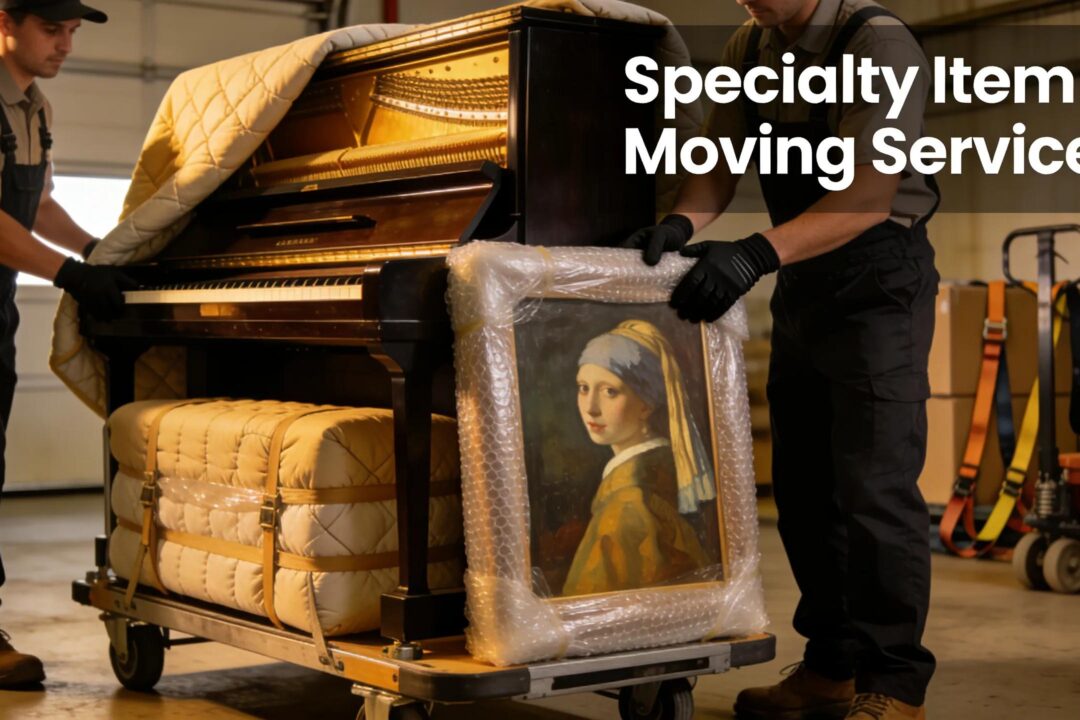
Custom crating provides a purpose-built enclosure sized to the item, limiting movement and allowing integration of shock-mitigation materials. This approach is appropriate for high-value or unusually shaped objects that require a higher protection standard.
DeVries Family Moving and Storage emphasises the importance of secure handling of such items. By investing in custom crating, clients can ensure that specialty items are not only protected during transit but also secure against environmental factors like humidity and temperature changes.
What Are the Essential Materials and Methods for Packing Fragile Items Safely?
Safeguarding fragile items begins with selecting materials that match the item’s fragility and the intended transport conditions. Equally important are methods that restrict movement and preserve structural integrity.
- Bubble Wrap: Excellent for cushioning and wrapping delicate items.
- Foam Peanuts: Fills gaps and absorbs shocks during transport.
- Cardboard Boxes: Sturdy boxes designed to hold specific items provide structural integrity.
Methods for packing include:
- Wrapping items individually to limit movement.
- Filling excess space in boxes with soft materials to prevent shifting.
- Sealing boxes tightly to avoid accidental openings.
Applying these materials and methods consistently reduces the likelihood of transit damage and supports clear inventory control procedures.
Which Packing Materials Best Protect Glassware and Delicate Items?
For glassware and similarly fragile goods, select materials that prevent impact, abrasion, and surface scratching while maintaining a compact, stable package.
- Cellophane Wrap: Offers a protective layer that is lightweight and versatile for various glass items.
- Foam Sheets: Ideal for wrapping glass plates or intricate glassware to prevent scratches and impacts.
- Double-Walled Boxes: Provide added strength and cushioning for fragile items during transport.
Choosing the appropriate combination of these materials preserves item condition and lowers breakage rates during handling and transit.
How Do Expert Packing Techniques Minimize Damage Risks?
Expert techniques reduce damage risk by addressing how items are positioned, immobilised, and sealed within transport containers. Each method targets a specific failure mode, such as impact, vibration, or contact with adjacent goods.
- Segregation: Prevents direct contact between fragile items to avoid scratching or colliding.
- Angled Packing: Arranging items at angles rather than flat can minimize movement and enhance stability.
- Secure Sealing: Using durable packing tape to seal boxes strengthens overall integrity during the move.
When applied together, these procedures form a controlled packaging system that enhances transport security and handling predictability.
How Do Custom Crating Solutions Enhance Protection for Specialty Items?
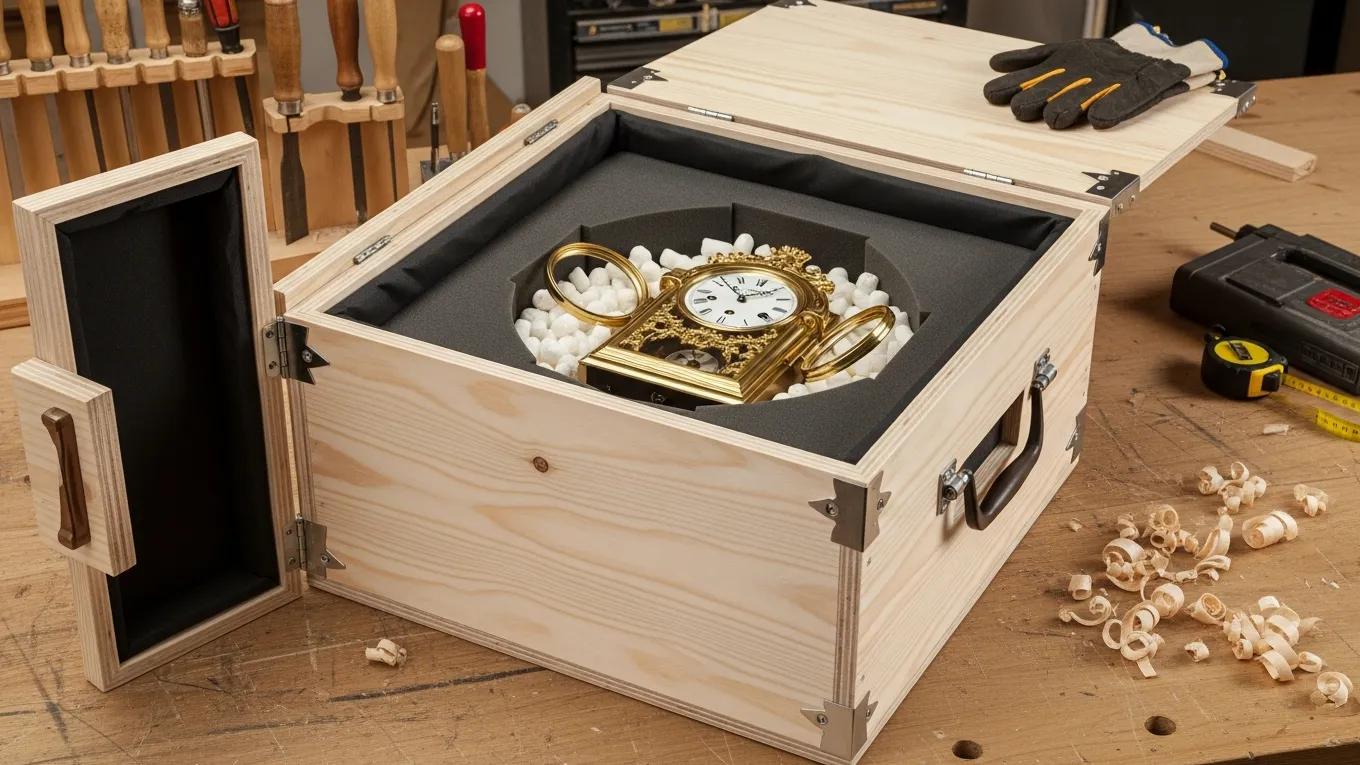
Custom crates are engineered to the item’s specifications, providing mechanical restraint, environmental buffering, and compatibility with the chosen transport method. They are suitable where standard packaging would not meet protection requirements.
What Are the Steps Involved in Custom Crating for Antiques and Artwork?
The process of creating a custom crate involves careful assessment and crafting to ensure optimal protection. Key steps include:
- Assessment of Item Needs: Professionals evaluate the dimensions, weight, and material of the item to determine the appropriate crating style.
- Material Selection: High-quality materials such as plywood or plastics are selected, ensuring durability and protection from environmental factors.
- Construction: Precision crafting is employed to create a snug fit within the crate, minimizing movement during shipping.
These steps reduce exposure to mechanical and environmental risks and support safe delivery of antiques and artwork.
How Does Custom Crating Mitigate Risks During Long-Distance Moves?
Long-distance transport increases exposure to vibration, temperature variation, and handling events. Custom crating addresses these factors through fit, cushioning, and material selection.
- Mitigate Movement: A tightly fit crate minimizes the shifting of items during transport.
- Provide Cushioning: Specialized materials in the crate absorb shock and vibration caused by long-distance travel.
- Enhance Transport Safety: Custom designed crates are often engineered for the specific transport methods used, further reducing risks associated with long hauls.
Custom crating is a practical mitigation strategy for the unique stresses of long-distance relocation.
What Best Practices Do Professional Movers Follow When Handling Specialty and Fragile Items?
Professional movers follow standardised practices that prioritise handling safety, staff competence, and use of appropriate equipment. These measures reduce liability and improve service reliability.
- Training and Certification: Movers receive specific training on handling delicate items, ensuring they are equipped with the necessary skills.
- Use of Protective Gear: Employing equipment such as lift gates and padded blankets protects items from potential damage during loading and unloading.
- Systematic Handling Protocols: Establishing procedures for handling fragile items minimizes exposure to risks throughout the moving process.
Adherence to these practices supports consistent outcomes and reduces the incidence of preventable damage.
How Are Antiques and Electronics Safely Managed During Moving?
Antiques and electronics require handling protocols that address fragility, sensitivity to environmental conditions, and data protection where applicable. Packaging and transport choices should reflect these requirements.
- Use of Styrofoam or Foam Inserts: Helps secure items within moving boxes without risk of scratching or impact.
- Labeling All Boxes: Clearly indicating contents ensures proper handling by movers.
- Professional Inspection: Prior to moving, items should be assessed for any pre-existing conditions that could worsen during transit.
These measures preserve item condition, maintain functional integrity, and assist with accurate claims documentation if required.
What Training and Experience Ensure Reliable Fragile Item Moving?
Proper training and extensive experience reduce operational errors and improve handling decisions under variable conditions. Organisations that invest in staff competence and ongoing education show better performance in fragile item transport.
- Training Programs: Movers undergo comprehensive training programs focusing on the safe handling of delicate items.
- Hands-On Experience: Real-world moving experiences cultivate skills needed to navigate unforeseen challenges effectively.
- Continuous Education: Movers participate in ongoing training to keep up with the latest techniques and materials used for fragile item protection.
These professional development measures contribute to reliable service delivery and reduced incidence of damage.
Which Insurance Options Should You Consider for Fragile and Specialty Item Moves?
Insurance is a key risk-management element when transporting valuable or fragile goods. Evaluate available policies for scope, limits, and exclusions before finalising arrangements.
- Basic Coverage: This often covers losses due to theft or damage to items during transport but may have limitations.
- Replacement Value Coverage: Offers reimbursement based on the value of the items rather than depreciated value, ensuring full protection.
- Specialty Coverage: Customizable insurance policies that specifically cover high-value and fragile items against specific risks.
A clear comparison of coverage terms and claim procedures enables selection of insurance that aligns with item value and risk tolerance.
Does Movers Insurance Cover Damage to Fragile Items?
Movers’ insurance may cover damage to fragile items, subject to policy terms and exclusions. Review coverage definitions, claim documentation requirements, and any liabilities disclaimed by the carrier.
- Type of Insurance Plan: Different plans may have varying coverage levels.
- Documentation of Item Value: Proper documentation and inventory are essential for claims in the event of damage.
- Exclusion Clauses: Understanding the fine print is crucial, as some insurance may exclude specific types of damage.
Evaluate policy language and preserve all receipts and inventories to support any potential claim under the chosen plan.
What Specialized Storage Solutions Are Available for Fragile and Specialty Items?
Specialised storage options address environmental control, security, and structural support to preserve item condition while not in transit.
- Climate-Controlled Storage: Provides regulated temperature and humidity to prevent damage to sensitive items.
- Controlled Access Systems: Secure storage facilities that limit access to authorized personnel minimize the risk of mishandling.
- Custom Shelving Solutions: Allow for safe and organized storage tailored to the dimensions and needs of specialty items.
Selecting storage that matches the item’s vulnerability reduces deterioration risk and supports chain-of-custody practices.
How Does Professional Storage Maintain the Integrity of Delicate Goods?
Professional storage facilities apply environmental controls, protective packaging, and inventory systems to reduce degradation and loss risks while items are stored.
- Environmental Controls: Regulating temperature and humidity helps in preserving fragile materials that can degrade under inappropriate conditions.
- Protective Packaging: Items are stored in protective materials that prevent dust collection and physical impact.
- Inventory Management: Comprehensive tracking of inventory reduces the chances of items being misplaced or mishandled.
These operational controls support preservation and provide verifiable custody records for clients.
What Are the Benefits of Using Climate-Controlled Storage for Specialty Items?
Climate-controlled storage mitigates environmental risks that can degrade sensitive materials. It is appropriate for items where temperature and humidity stability are necessary to preserve condition.
- Humidity Regulation: Maintains moisture levels that prevent mold and warping of delicate materials.
- Temperature Control: Ensures temperature fluctuations do not impact sensitive items, especially electronics and wooden furnishings.
- Pest Protection: Controlled environments help deter common pests that can damage stored items.
Using climate-controlled storage is a preventative measure that helps maintain value and reduces future restoration or replacement costs.
How Do Customer Testimonials and Case Studies Demonstrate Successful Fragile Item Moves?
Testimonials and case studies provide empirical examples of how specific packing and handling protocols result in reduced damage rates and improved client satisfaction.
What Real Client Experiences Highlight Our Specialty Item Handling Expertise?
Client feedback documents outcomes where professional procedures preserved item condition. Reported results often cite effective packing, custom crating, and clear communication as decisive factors.
- Many clients report zero damages during their moves, citing effective packing methods as a key factor.
- Positive experiences often detail how the use of custom crates for antiques significantly impacted the success of the move.
- Client testimonials emphasize the importance of communication throughout the moving process, contributing to peace of mind.
Such client reports support the efficacy of established moving protocols and the value of professional handling for fragile goods.
Which Case Studies Show Reduced Damage Rates Through Professional Packing?
Documented case studies demonstrate measurable reductions in damage claims when specialised packing and storage solutions are applied prior to transit.
- A client moving high-value artwork experienced a significant reduction in damage claims by employing specialized packing techniques.
- Another case study highlighted how the use of climate-controlled storage prior to a move prevented deterioration in sensitive furniture.
- Referrals from satisfied customers indicate a significant improvement in overall satisfaction levels when custom packing solutions were utilized.
These case studies provide evidence that targeted protective measures produce better transport outcomes for fragile and specialty items.
Frequently Asked Questions
What should I look for in a moving company for fragile items?
Prioritise demonstrable experience with fragile goods, documented staff training, and clear policies on packing materials and insurance coverage. Review customer feedback and request written statements of the company’s handling protocols and claims procedures to ensure transparency.
How can I prepare my fragile items before the movers arrive?
Clean items to remove abrasive debris, disassemble larger units as appropriate, and group small components to prevent movement. Use clear labelling to indicate fragile contents and consider transporting irreplaceable items personally. Proper pre-move preparation reduces handling exposure and supports accurate inventories.
What types of items require custom crating?
Custom crating is appropriate for items that are irregularly shaped, of high monetary or sentimental value, or sensitive to environmental change—examples include fine art, antiques, and specialised electronics. A professional assessment will determine the necessity and design of a custom crate.
Are there special tips for moving electronics safely?
Back up data and power down or disconnect equipment before packing. Use original packaging where possible or select sturdy containers with adequate padding. Label boxes clearly, avoid stacking heavy items on electronics, and consider climate-controlled options for temperature-sensitive devices. Request mover guidance for device-specific precautions.
How do I choose the right packing materials for my items?
Match materials to the item’s fragility and transport conditions: use bubble wrap for individual protection, filler material for voids, and double-walled boxes for structural support. Assess weight and dimensions, and invest in higher-grade materials for items with substantial replacement value. Seek specialist advice when uncertain.
What measures can I take if my fragile items are damaged during the move?
If damage occurs, record photographic evidence and written descriptions immediately. Review the mover’s insurance and claims procedures, retain purchase receipts or appraisals, and submit documentation per the carrier’s requirements. Prompt notification and complete documentation expedite claim resolution.
Conclusion
Consistent application of proven packing techniques, appropriate material selection, and professional handling reduces the risk of damage to fragile items. Engage qualified movers, review insurance terms, and choose storage or crating solutions aligned with item vulnerability to ensure reliable protection throughout the moving process.