By Eric DeVries, DeVries Family Moving & Storage
Moving specialty items over long distances requires precise planning and disciplined execution to reduce risk. This guide examines the logistical, packing and insurance considerations for transporting delicate and valuable belongings. It explains how professional specialty item movers protect pianos, fine art, antiques and similar assets, and outlines the packing methods, logistical controls and insurance options that support a secure relocation. The objective is to provide clear, practical steps for a successful long-distance move.
What Essential Specialized Packing Services Ensure Safe Long-Distance Moves?
Specialized packing services apply industry-standard materials and techniques to protect fragile and high-value items during extended transit. Those services prioritise compliance with applicable safety regulations and use specified packing protocols to mitigate damage and ensure chain-of-custody integrity throughout the moving process.
Which packing techniques protect fragile and valuable specialty items?

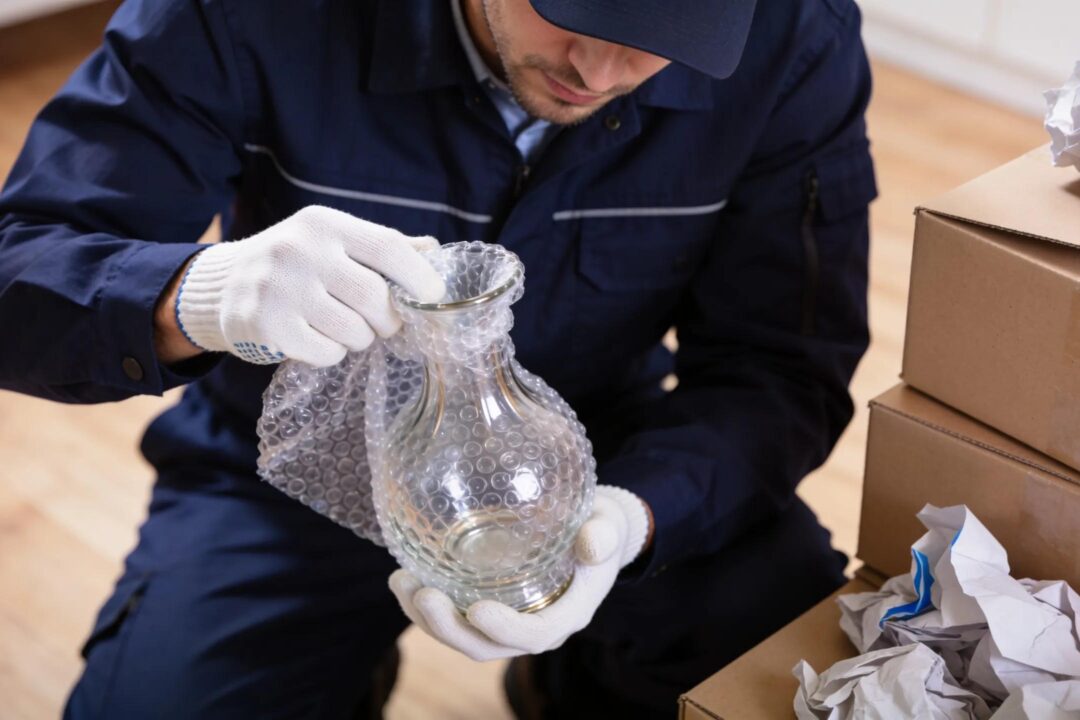
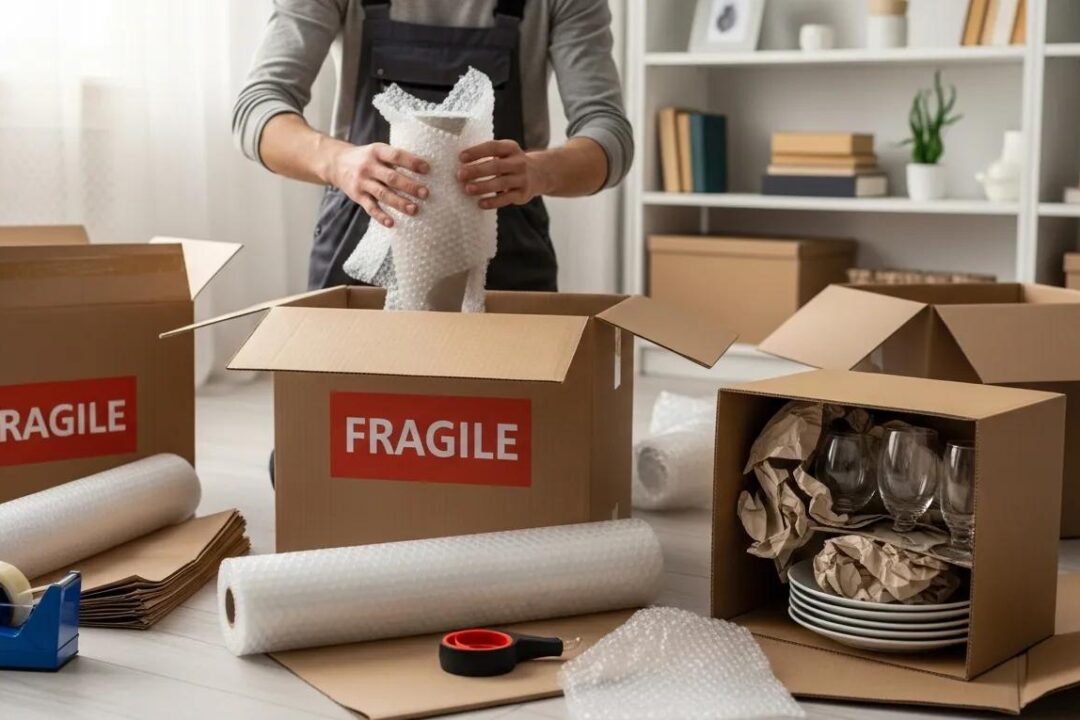
Standard protective techniques include the use of high-grade bubble wrap, foam padding and structurally sound cartons. Reinforcement methods—such as custom crating, double-boxing and internal bracing—reduce movement and impact. Clearly labelling containers as “fragile” and documenting contents ensures handling protocols are followed and reduces the risk of mishandling.
How do custom crating and climate-controlled options improve moving safety?

Custom crates are engineered to the dimensions and weight distribution of each object, providing structural protection against shock and vibration. Climate-controlled transport maintains stable temperature and humidity levels, which is essential for materials sensitive to environmental variation. Combining tailored crating with climate control reduces the risk of physical and environmental damage during long-distance transit.
How Do Professional Moving Companies Manage Long Distance Specialty Item Transportation?
Professional moving companies implement documented procedures and operational protocols to manage specialty item transports over long distances. Trained personnel use designated vehicles and tools engineered for specialty moving, and they adhere to safety and handling standards to maintain the integrity of items in transit.
What protocols ensure secure handling and logistics for bulky and fragile items?
Secure handling relies on specialised equipment—lift gates, purpose-built dollies and certified restraint systems—and staff trained in approved lifting and securing techniques. Logistics planning includes route analysis and risk mitigation to avoid hazards and ensure timely, secure delivery of specialty items.
What Insurance and Liability Measures Protect Specialty Items During Long-Distance Moves?
Insurance and liability provisions are fundamental elements of risk management for specialty item moves. Understanding available coverage types, contract terms and carrier liability limits enables clients to select protection that aligns with their risk tolerance and the value of their possessions.
Which insurance coverages are recommended for fragile and high-value possessions?
Common options include Full Value Protection, under which the mover is responsible for repair or replacement at market value, and Released Value Protection, which provides limited statutory coverage at lower cost. For items of significant value, third-party or specialty insurance policies can offer tailored coverage to address gaps in standard offerings.
How Should Customers Plan and Request Quotes for Specialty Item Moving Services?
Obtaining accurate quotes and planning a specialty move requires organised documentation and transparent communication with prospective movers. Identify companies with relevant specialty experience and provide precise information about item dimensions, weight and any environmental or handling requirements to facilitate reliable estimates.
To streamline the process, customers should focus on these key aspects:
- Researching moving companies: Look for businesses with specific experience in handing similar specialty items.
- Providing detailed information for quotes: Be clear about the items’ dimensions, weights, and any special requirements such as climate control.
- Understanding the factors influencing moving costs: Recognize that factors such as distance, weight, and insurance needs all impact the final quote.
Following these steps helps secure reliable, compliant and cost-effective moving services that address the client’s requirements. For comprehensive relocation solutions, consider professional residential movers.
Frequently Asked Questions
What types of specialty items are commonly moved by professional moving companies?
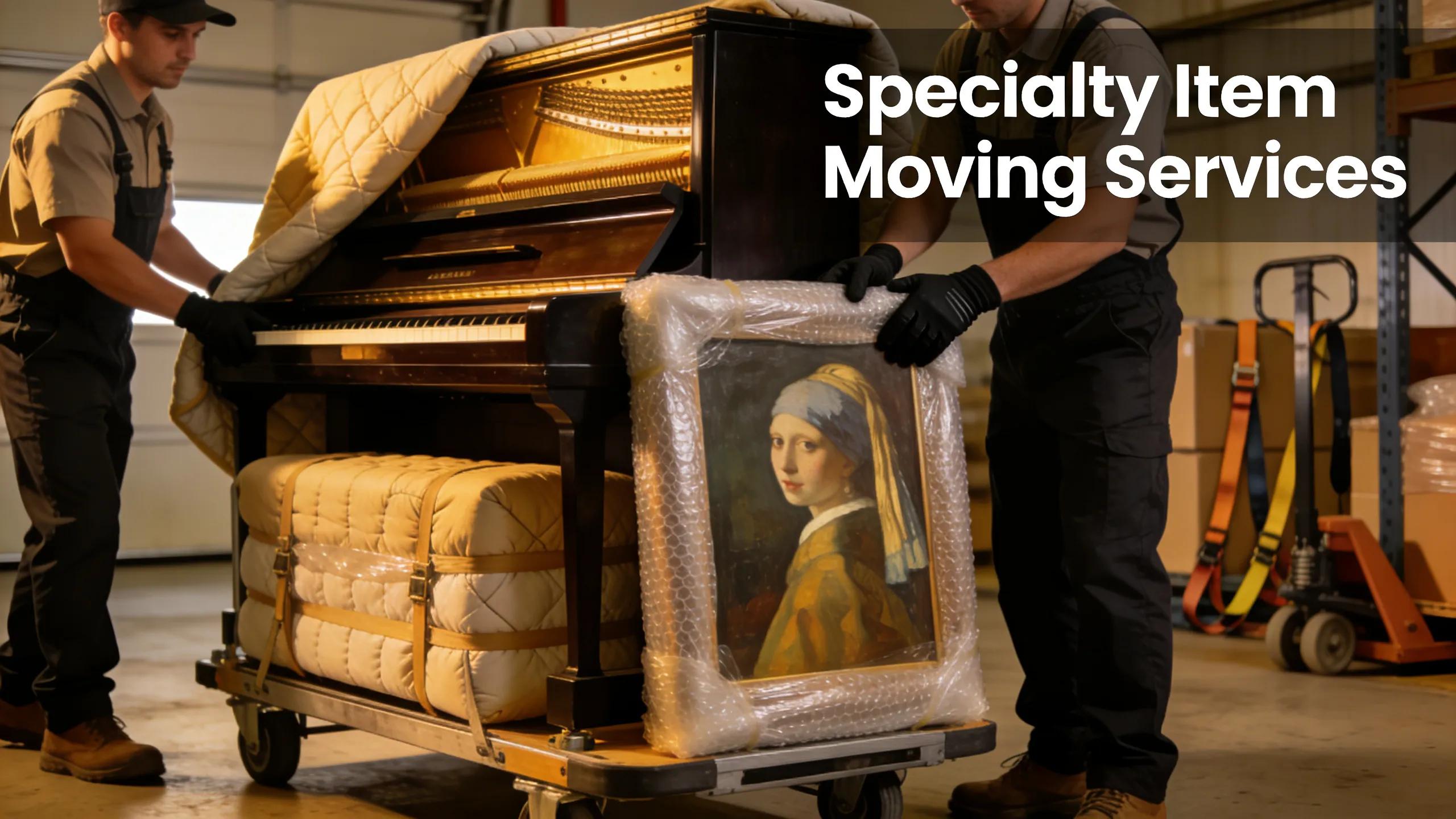
Professional movers commonly transport pianos, fine art, antiques, pool tables and other high-value or fragile possessions. Each category requires defined handling procedures and packing standards; for example, pianos typically require specialised rigging and moving equipment, while fine art often necessitates custom crating and condition documentation.
How can I prepare my specialty items for a long-distance move?
Preparation includes creating an inventory with condition and value documentation, engaging professional packing services where appropriate, and removing or securing loose components (such as piano legs). Clear labelling and advance discussion with the mover regarding any item-specific preparations further reduce the likelihood of damage.
What should I check for when selecting a moving company for specialty items?
Select firms with proven experience handling comparable specialty items, verified customer reviews and documented operational protocols. Confirm that the company is properly licensed and insured, and request details on their packing, handling and transport procedures as well as available insurance options.
How can I track my items during the move?
Many professional moving companies provide tracking via mobile applications or online portals to monitor shipments in real time. Request information on tracking capabilities during the quoting process; if real-time tracking is not available, arrange scheduled status updates to remain informed throughout transit.
Are there any special considerations for moving antiques?
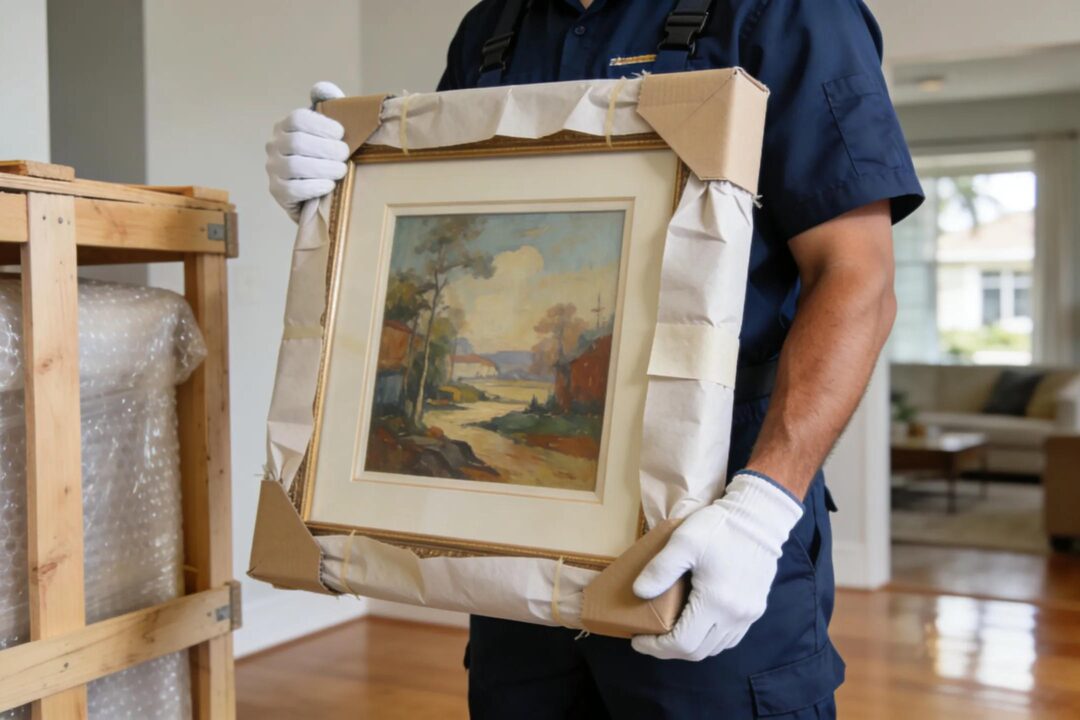
Antiques often require bespoke handling due to their age, fragility and historical value. Engage movers who specialise in antiques, employ appropriate packing materials and consider custom crating to mitigate environmental risk. Documenting item condition before shipment and securing insurance specific to antiques are prudent risk-management steps.
Will my specialty items be covered if they are damaged during the move?
Coverage depends on the protection selected. Full Value Protection typically obligates the mover to repair or replace items at market value, while Released Value Protection provides very limited compensation. Assess the item’s value and policy terms to select suitable insurance for adequate financial protection.
Conclusion
Engaging professional specialty item movers ensures that valuable possessions are transported with documented care, appropriate packing and insurance protections. These services reduce the likelihood of damage and provide contractual remedies in the event of loss. By investing in qualified packing, logistics and coverage, clients can focus on relocation logistics with greater confidence. Contact us today to request a tailored quote for your move.