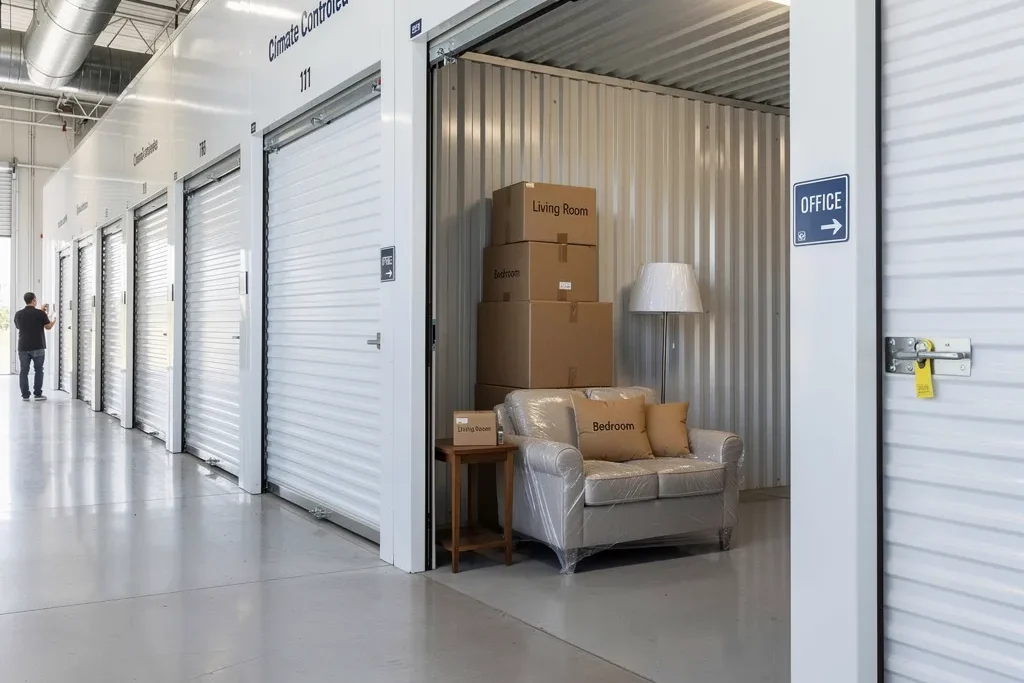
Top Strategies for Moving Protection: How to Safeguard Your Belongings During a Stress-Free Move

Moving can be complex and carries the risk of loss or damage to personal property. Applying established strategies for protection can convert a potentially disruptive day into an orderly operation. This article delivers clear guidance on packing methods, recommended materials, and organisation practices designed to preserve the condition of your possessions and reduce exposure to avoidable risk.
This document examines essential packing procedures, the role of moving insurance, appropriate storage options, and practical measures for fragile items. Understanding how to secure possessions efficiently reduces the likelihood of loss and supports a controlled, compliant moving process.
Packing Techniques
Appropriate packing techniques materially reduce the probability of damage during transit. Begin preparations early, use appropriately rated packing materials, and ensure boxes are not overloaded so as to mitigate breakage and handling incidents.
Consistent application of correct packing methods facilitates organised unpacking and reduces logistical friction, thereby lowering stress associated with relocation.
Packing Materials
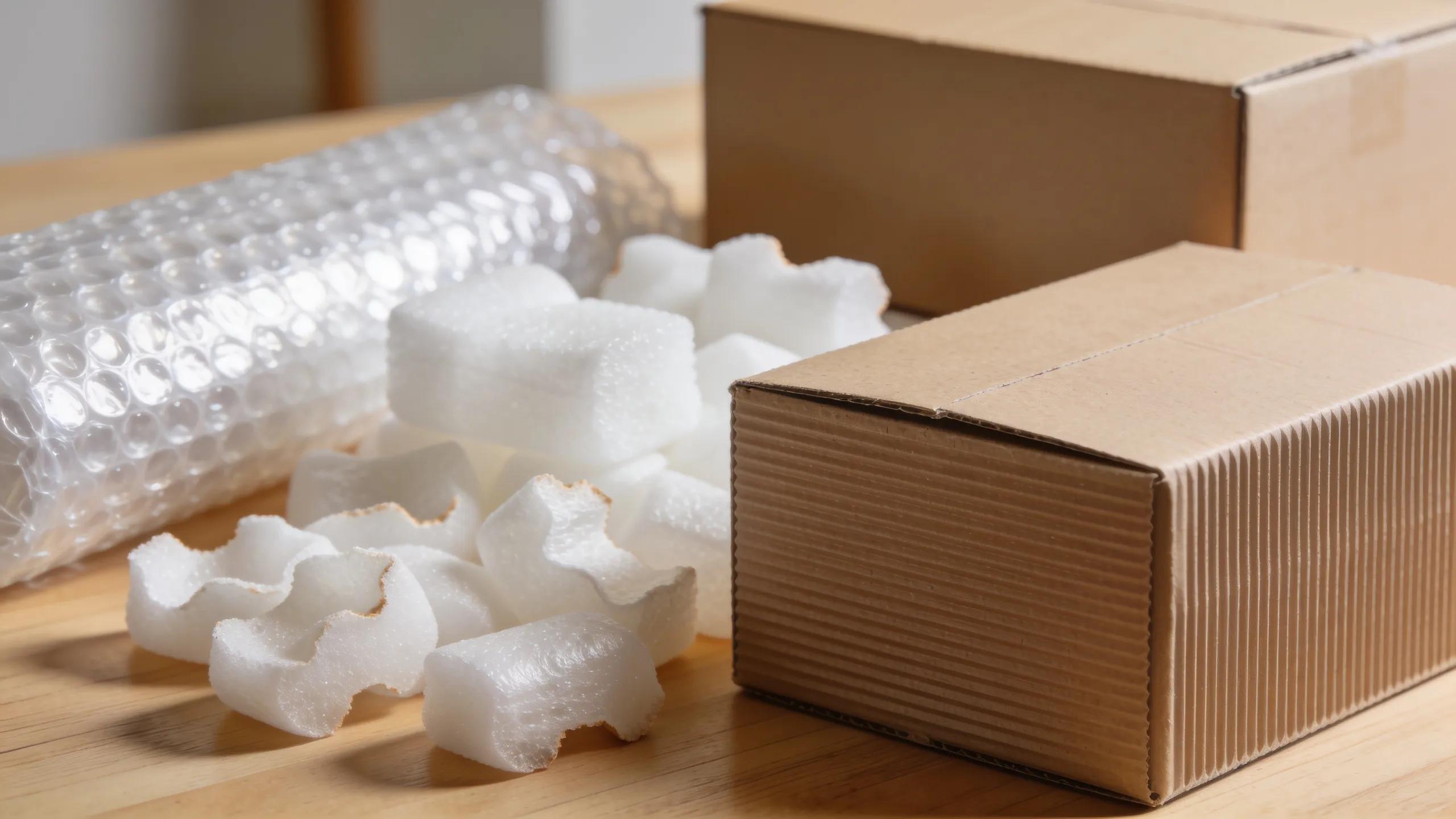
Selection of appropriate packing materials materially affects item protection during transit. Use materials that provide adequate cushioning, support, and resistance to puncture or collapse.
- Bubble Wrap: Ideal for wrapping fragile items, bubble wrap offers exceptional cushioning that absorbs shocks.
- Foam Peanuts: These provide additional cushioning for items that require extra support during transit.
- Quality Boxes: Using boxes of appropriate strength is vital; ensure that boxes are sturdy and designed for the weight of the items they will hold.
Choosing suitably rated materials improves item protection and simplifies inventory control by making the contents and handling requirements of each container more evident.
Organizational Tips
Systematic organisation reduces handling errors and accelerates both packing and unpacking. Implement clear labelling and maintain records to support efficient logistics and accountability.
- Label Boxes Clearly: Use large labels indicating the contents and the room they belong to, facilitating easier unpacking.
- Create an Inventory List: Document what is packed inside each box to avoid losing track of items.
- Keep Fragile Items Separate: Identify and pack fragile items separately to avoid confusion and ensure they are handled carefully.
These organisational measures reduce the incidence of misplaced or mishandled items and support a traceable, auditable moving process.
Additional Considerations
Beyond packing and organisation, consider contractual and financial protections such as insurance and the benefits of engaging experienced moving professionals.
- Moving Insurance Importance: Protecting against loss or damage through comprehensive moving insurance can provide financial peace of mind.
- Benefits of Hiring Professionals: Professional movers often have extensive experience and knowledge in packing and transporting items securely, reducing the risk of damage.
Addressing these considerations in advance reduces exposure to loss and supports a more reliable relocation outcome.
How to Pack Fragile Items Safely for Transport?
Packing fragile items requires measured attention and appropriate materials. Follow a standard sequence to ensure each item is independently protected.
- Wrap Each Item Properly: Use bubble wrap or packing paper to cushion each fragile item individually.
- Use Sturdy Boxes: Choose boxes that are strong enough to hold the weight of the packed items, particularly for glass or ceramics.
- Avoid Overloading: Never overload boxes with too many fragile items, as this increases the risk of breakage.
Adhering to these procedures increases the likelihood that delicate items will arrive at their destination intact.
How Do Moving Insurance Options Enhance Your Belonging’s Security?
Moving insurance provides a financial remedy for loss or damage sustained in transit. Understanding available coverage types supports selection of an option that matches the value and risk profile of your possessions.
- Full Value Protection: Covers the total replacement value of items that are lost or damaged.
- Released Value Protection: Offers minimal coverage, typically only a fraction of the item’s value.
- Third-Party Insurance: Additional options provided by certain insurers, helping cover scenarios not included in typical policies.
Reviewing coverage limits, exclusions, and the claims process allows for an informed selection that aligns coverage with item value and tolerance for financial exposure.
How to Compare Moving Insurance Plans Effectively?
Comparison of insurance plans requires evaluation of scope, exclusions, and the administrative requirements for claims adjudication.
- Compare Coverage Options: Assess what each plan covers and any limitations that may apply.
- Assess Value of Belongings: Ensure you accurately evaluate the worth of your possessions to select a plan that meets your needs.
- Understand Policy Terms: Read the fine print to grasp the specific terms and conditions associated with each insurance option.
A methodical review of policy language and coverage economics enables selection of the most appropriate insurance solution for your move.
What Storage Strategies Protect Your Items Before, During, and After Moving?
Appropriate storage practices maintain item condition when items are not in transit. Select solutions that mitigate environmental and security risks.
- Selection of Storage Solutions: Choose climate-controlled storage units for sensitive items to protect against heat and humidity.
- Organizing Items in Storage: Keep frequently accessed items at the front for easy retrieval while ensuring fragile items are stored safely.
- Securing Items Properly: Utilize straps and padding to secure items, preventing movement or damage.
Implementing these storage protocols provides continuity of protection for belongings before, during, and after the move.
How to Choose Secure and Reliable Storage Providers?
Selection of a storage provider should be based on verifiable security features and documented service terms that address access control and environmental safeguards.
- Research Storage Options: Investigate various providers in your area to compare services and prices.
- Check for Security Features: Look for facilities that offer secure access points, surveillance cameras, and alarm systems to protect stored items.
Due diligence in provider selection reduces the risk of theft, environmental damage, and service disputes while your items remain in storage.
How to Implement Safe Moving Day Practices for a Stress-Free Experience?
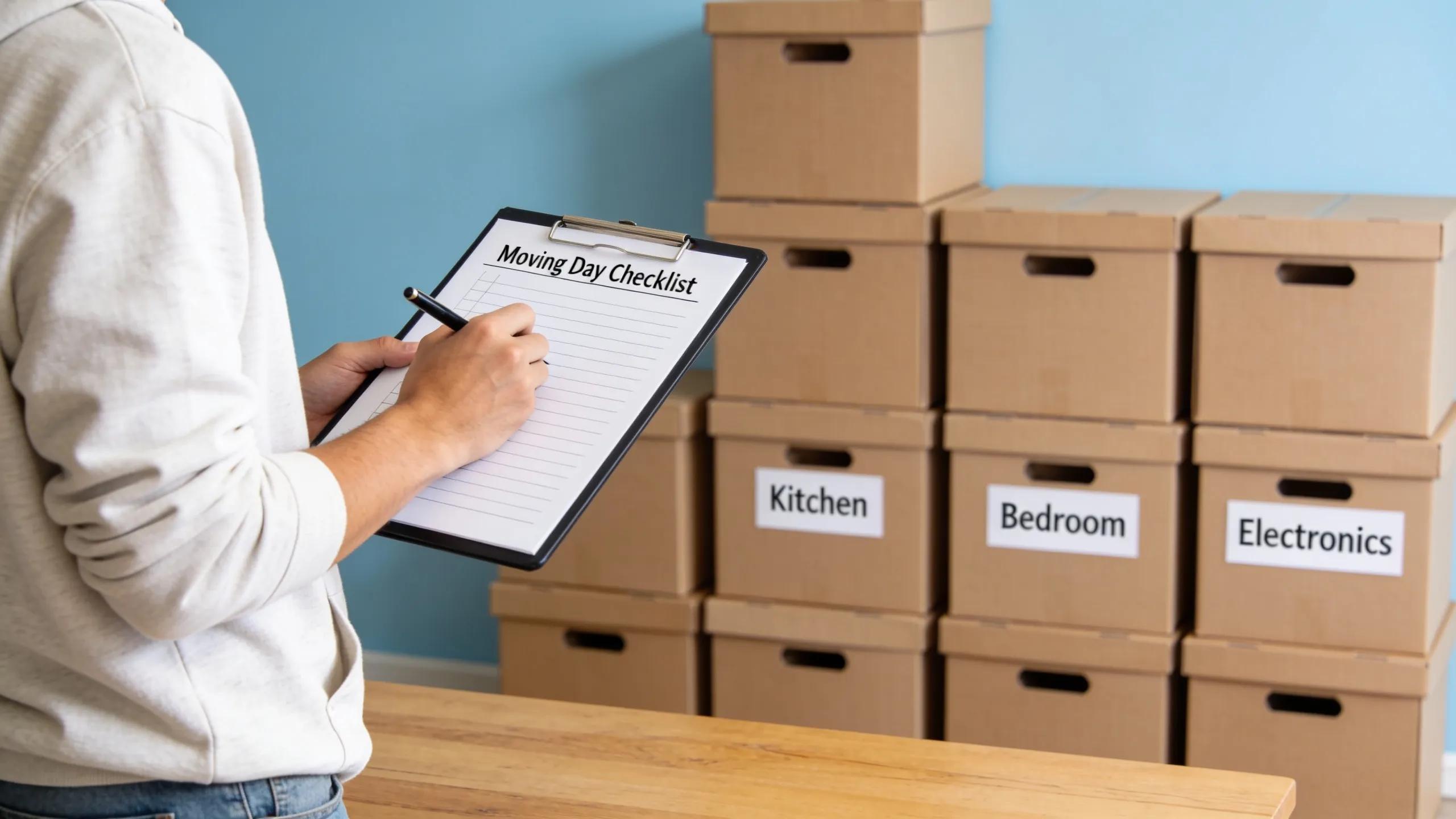
Adopting structured safety measures on moving day limits accidents and enhances operational efficiency. Prepare a timeline and assign responsibilities to maintain order.
- Plan Ahead: Create a timeline for the moving day to keep the process structured and organized.
- Keep Important Documents Accessible: Have a designated folder for crucial documents, ensuring they are always within reach.
Applying these practices reduces the likelihood of mishaps and supports a coordinated transition on the day of the move.
How to Handle Fragile and Valuable Items on Moving Day?
Management of fragile and high-value items requires explicit communication and, where appropriate, segregation from general shipment.
- Communicate with Movers: Make sure to inform your movers which items are fragile or hold significant value.
- Transport Valuables Yourself: Consider carrying your most valuable items with you to reduce the risk of loss or damage during the move.
These measures reduce handling error and limit exposure to loss or damage during transit.
Which Specialized Packing Techniques Enhance Protection for Unique Belongings?
Unique or irregularly shaped items require tailored packaging solutions to prevent movement and concentrated stress during transport.
- Use Custom Wrapping: Create custom packages for unusually shaped items to prevent movement and damage.
- Employ Quality Materials: Ensure materials used for packing are appropriate for the unique aspects of the item, providing sufficient protection during transit.
Applying specialised packing techniques preserves the condition of non-standard items and reduces the probability of transit-related damage.
What Are Expert Methods for Handling Furniture and Large Fragile Items?
Moving large or delicate furniture demands protective padding and correct manual handling to prevent structural or cosmetic damage.
- Cushioning Techniques: Use bubble wrap or moving blankets to cushion edges and surfaces.
- Safe Lifting Practices: Employ proper lifting techniques to avoid strain and prevent dropping large items.
Adherence to these methods preserves the integrity of bulky items and reduces the risk of injury to handlers.
How Can DeVries Family Moving Assist in Ensuring a Secure Moving Process?
DeVries Family Moving provides services intended to support a secure relocation. Their portfolio covers planning, packing, and on-site handling designed to address common risks associated with moves.
- Planning and Strategizing: Helping you create a tailored moving plan that meets your specific needs and timelines.
- Packing and Unpacking Services: Providing assistance with packing fragile items correctly and efficiently.
- Safety Measures: Implementing industry best practices to protect your belongings throughout the move.
DeVries Family Moving positions itself as a professional partner focused on executing the moving plan with attention to security and procedural consistency.
How Does DeVries Ensure Compliance and Customer Protection?
DeVries Family Moving emphasises customer protection through adherence to established safety practices and operational protocols intended to preserve property condition.
- Trained Staff: Employing trained professionals familiar with the best practices in safe moving and packing.
- Quality Packing Materials: Using top-quality materials to ensure that all items are appropriately protected during transport.
These measures are designed to ensure careful handling and to provide clients with demonstrable safeguards during the relocation process.
Frequently Asked Questions
What should I do if my items get damaged during the move?
Immediately document the damage with dated photographs and written notes. If you hold moving insurance, contact the insurer to initiate a claim and follow their documentation requirements. If a professional mover conducted the relocation, notify the company promptly and follow its claims procedure as specified in your contract.
How can I ensure all my items are safe during the move?
Use certified packing materials and standardised packing techniques, segregate fragile items, label containers clearly, and maintain an inventory. Engage experienced movers when appropriate and secure insurance coverage that aligns with the declared value of your possessions.
What are the signs of reputable moving companies?
Look for verifiable positive reviews and testimonials, transparent pricing and written estimates, appropriate licensing and insurance, and professional responsiveness. Membership in recognised industry organisations and the provision of references further support a company’s credibility.
How far in advance should I book my moving services?
Book services at least four to eight weeks in advance, particularly during peak moving seasons. Early booking increases availability and may provide better rate options. For last-minute moves, contact providers promptly as options and scheduling flexibility will be more limited.
What items should I avoid packing for my move?
Do not pack hazardous materials such as flammable, explosive, or corrosive substances. Avoid perishable foods that may spoil in transit. Retain valuable items and critical documents with you rather than consigning them to the moving vehicle. Consult your mover’s list of restricted items to ensure compliance.
Can I change my moving date after booking?
Most reputable companies permit date changes subject to their terms and the company’s availability. Notify the mover as soon as possible to limit fees or scheduling conflicts, and confirm any changes in writing in accordance with the contract.
Is it worth hiring professional movers versus doing it myself?
Professional movers provide time savings, expertise in safe packing and handling, and can reduce the risk of damage or personal injury. Although costlier than a self-move, the specialised skills and logistical support they offer often justify the expense for larger or complex relocations.
Conclusion
Adoption of structured moving strategies reduces the risk of damage and supports an orderly relocation. Attention to material selection, packing procedures, organisational controls, and appropriate insurance improves the security of your belongings. Proceed to plan your move with these considerations in mind to achieve a controlled and reliable relocation.