By Eric DeVries, DeVries Family Moving & Storage
Relocating fragile and specialty items requires appropriate moving insurance to protect them in transit. This guide explains the primary coverages—full value protection, released value protection, and third‑party policies—so consumers can select the option that best matches their requirements.
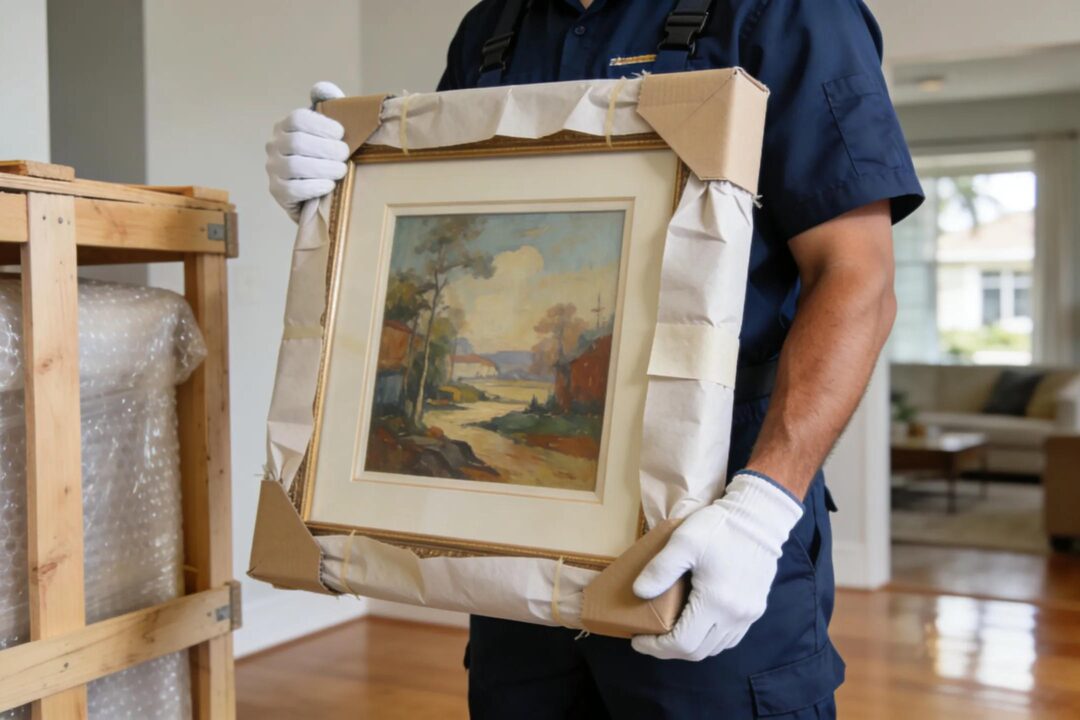
Moves are frequently stressful, particularly for antiques, artworks, and collectible memorabilia that are vulnerable to damage or loss. Insurance provides financial protection against such losses. This article reviews moving insurance types, special coverage considerations for fragile items, claims procedures, and criteria for choosing suitable coverage.
Types of Moving Insurance Explained
Understanding the principal types of moving insurance is essential to protect valuable items. Each option defines specific coverage, with distinct benefits and limitations appropriate to different scenarios.
| Type of Coverage | Description | Benefit |
|---|---|---|
| Full Value Protection | Covers the full replacement value of damaged or lost items. | Complete peace of mind and security. |
| Released Value Protection | Basic coverage option that provides minimal compensation for loss or damage. | Economic option, but with limited financial protection. |
| Third-Party Insurance | Insurance purchased through a separate provider that may cover additional risks. | Expanded protection based on specific needs. |
Each coverage type serves a distinct purpose and applies to different circumstances. DeVries Family Moving and Storage provides services to assist customers in selecting appropriate moving insurance so they can relocate valuable possessions with confidence.
Special Insurance Needs for Fragile Items

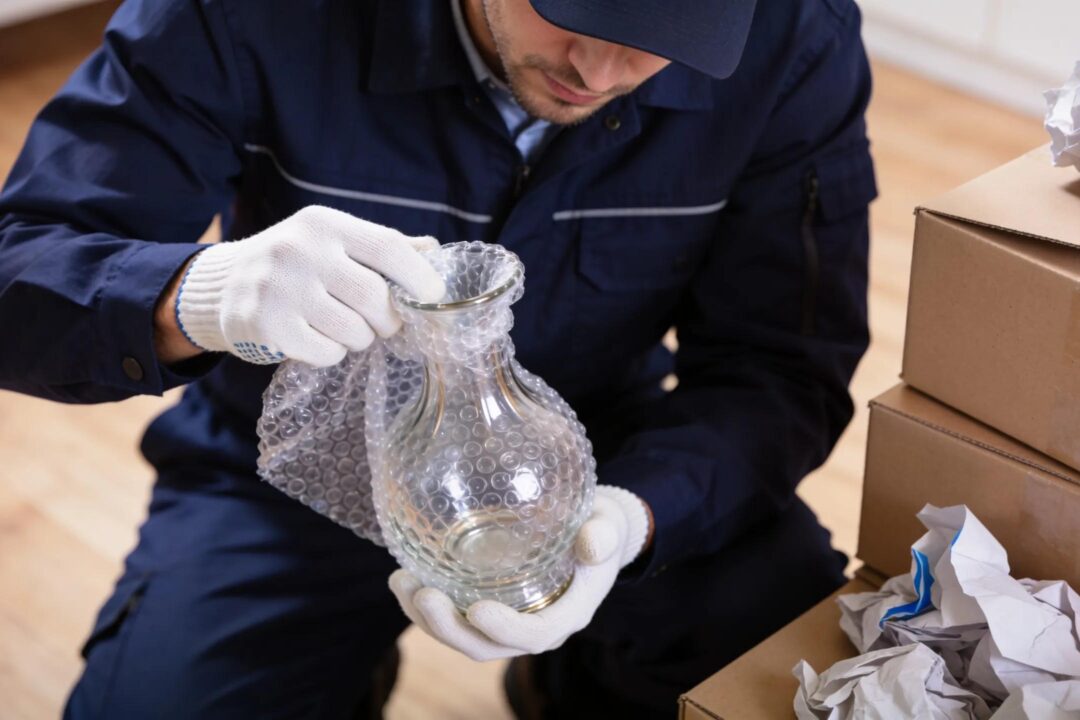
Fragile items—fine china, glassware, and electronic equipment—are exposed to elevated transit risks, which makes suitable insurance coverage essential.
For fragile items, consider specialized coverage options in conjunction with stringent packing protocols. Many moving companies recommend third-party insurance tailored for delicate items.
Key considerations include:
- Unique Risks: Fragile items are more susceptible to damage, increasing the need for appropriate coverage.
- Packaging Best Practices: Use high-quality packing materials and organisation techniques to reduce the risk of damage during the move.
- Specific Insurance Options: Investigate insurance providers that include clauses for specialised items to ensure full protection.
These measures reduce risk and help ensure adequate protection for fragile items during transit.
Steps to File a Moving Insurance Claim

If items are damaged or lost in transit, a clear claims process is essential. The following steps outline the required actions.
- Document the Damage: Take photos of the damaged items clearly showing the extent of the damage.
- Notify the Moving Company: Contact your moving company immediately after discovering the damage or loss to initiate the claims process.
- Fill Out Claim Forms: Complete the necessary documentation provided by the moving company or your insurance provider to support your claim.
- Provide Evidence: Submit all required evidence, including photographs of the damage and detailed descriptions of the items affected.
Familiarity with these steps improves claim outcomes and supports timely resolution.
Choosing the Right Insurance
Selecting appropriate insurance for a move requires assessment of several key factors. The points below merit careful review.
- Assess the Value of Your Items: Understand the full value of the items you are moving, ensuring that the selected policy covers their worth.
- Compare Insurance Quotes: Research and compare quotes from multiple insurance providers to find the best coverage for your specific needs.
- Understand Coverage Limitations: Read the terms and conditions closely to know what is and is not covered under your policy.
Following these steps aids selection of a policy that adequately protects fragile and specialty items and contributes to a smoother move.
Common Questions About Moving Insurance
Prospective movers often have questions about coverage and policy terms. Common concerns follow:
- What does moving insurance cover? Moving insurance generally covers loss or damage during transport. Specific details depend on the type of policy selected.
- Are there coverage limits? Yes, most policies will detail certain limits, especially with Released Value Protection, which only compensates a minimal amount per pound.
- What if my items are lost? Most policies will reimburse you based on the terms outlined in the coverage agreement if items are declared lost during transit.
These FAQs clarify coverage and prepare you to insure your belongings effectively.
Insurance for Long-Distance and International Moves
Long-distance and international relocations introduce additional insurance considerations. Differences in coverage related to distance should be addressed when selecting a policy.
Interstate moves are subject to different regulations and documentation than local moves; international relocations require policies that address customs requirements and potential duties. Consult your moving company to understand the specific requirements and the nuances of international coverage, if applicable.
Best Practices for Protecting Your Items
Adopting established best practices enhances protection for fragile and specialty items. Consider the following strategies:
- Proper Packing: Utilize appropriate packing materials tailored for fragile items, such as bubble wrap and sturdy boxes, to minimize the risk of breakage.
- Professional Protectors: Engage professional packing services for valuable or highly delicate items to ensure they are transported safely.
- Inventory Management: Keep a detailed inventory of all items being moved, making it easier to confirm what should be covered by insurance in case of loss.
Applying these measures will improve protection of valuable possessions and support a more secure moving process.
Frequently Asked Questions
1. What should I consider when choosing moving insurance?
When selecting moving insurance, determine the total value of your belongings, including fragile and specialty items. Obtain and compare quotes from multiple providers and review policy terms, paying particular attention to exclusions and limits. Align coverage with the types of items and the move distance to ensure adequate protection.
2. How do I prepare my fragile items for a move?
Prepare fragile items using quality packing materials—bubble wrap, foam peanuts, and sturdy boxes—and wrap and pack each item to prevent movement during transport. Inform the movers about fragile items so they receive appropriate handling. These steps materially reduce the risk of damage.
3. Can I insure my valuable collectibles during a move?
Valuable collectibles can be insured during transit, but you must select a policy that expressly covers high-value items. Standard policies may not provide sufficient coverage; verify terms or consult an insurance expert to secure suitable protection against loss or damage.
4. How are moving insurance claims processed?
To file a moving insurance claim, document damage with photographs and retain records of the affected items. Report the damage promptly to your moving company, complete the required forms, and submit all requested evidence. Timely and organised documentation increases the likelihood of a favourable resolution.
5. Is third-party insurance necessary for every move?
Third‑party insurance is not mandatory for every move but can supplement coverage for high‑value or fragile items when a mover’s coverage is insufficient. Assess the specific risks associated with your relocation to determine whether additional third‑party coverage is warranted.
6. Are there any specific regulations for international moving insurance?
International moving insurance involves distinct regulations and requirements compared with domestic moves. Policies should address customs procedures, potential duties, and the conditions of international shipment. Consult your moving company to confirm your policy comprehensively covers international constraints and exposures.
7. How can I track my items during the moving process?
Many moving companies provide tracking via online portals or mobile applications that supply status updates. If tracking is unavailable, maintain a detailed inventory with photographs and maintain regular communication with your mover to monitor the status of your items.
Conclusion
Selecting appropriate moving insurance ensures fragile and specialty items receive protection throughout the move. Options such as full value protection and specialized coverage for delicate possessions can provide greater assurance. Assess your insurance needs and consult our experts to arrange comprehensive coverage prior to your relocation.