By Eric DeVries, DeVries Family Moving & Storage
Relocating fragile items requires specialised handling to ensure they arrive intact. Whether transporting glassware, antiques, or collectibles, applying proper packing, transport and unpacking procedures reduces the risk of breakage and extra cost. This article explains essential packing materials, proven techniques, insurance considerations, and criteria for engaging professional services so you can plan a secure move for delicate items.
Packing Materials
Selecting appropriate packing materials is essential to protect fragile items during transit. Materials differ by cushioning and application; common options include bubble wrap for shock absorption, packing paper for surface protection, and foam peanuts for void-fill and stabilization.
| Material | Effectiveness | Best Use |
|---|---|---|
| Bubble Wrap | Excellent cushioning | Protecting delicate glassware |
| Packing Paper | Moderate cushioning | Wrapping smaller fragile items |
| Foam Peanuts | Good for filling voids | Surrounding items in larger boxes |
Using the appropriate packing materials can make all the difference. For those seeking additional support, DeVries Family Moving and Storage specializes in expert packing and handling, applying industry-standard materials and methods to secure fragile belongings. For comprehensive moving services, consider exploring options with residential movers.
This 1995 thesis examines the code 4 shipping method used to move household goods from the continental United States to overseas locations and compares it with commercial industry methods. The research reviews a Department of Defense test that applied commercial shipping practices and analyses how security measures for code 4 shipments compare to commercial standards. The study asks whether the loose-stow seavan method can reduce loss and damage claims, whether there are better ways to secure code 4 household goods when moved overseas, and whether implementing new methods would deliver value-added benefits to the DOD. The thesis supports the premise that Military Traffic Management Command (MTMC) can reduce loss and damage claims in overseas shipments by offering the loose-stow seavan option to the personal property shipping office (PPSO), producing potential shipping cost savings, reduced claim costs, improved customer satisfaction, and greater leverage with carriers when quality is not maintained. The Household Goods Shipment and Storage Program: The Problem of Loss and Damage Occurring in Code 4 Shipments., 1995
Bubble Wrap
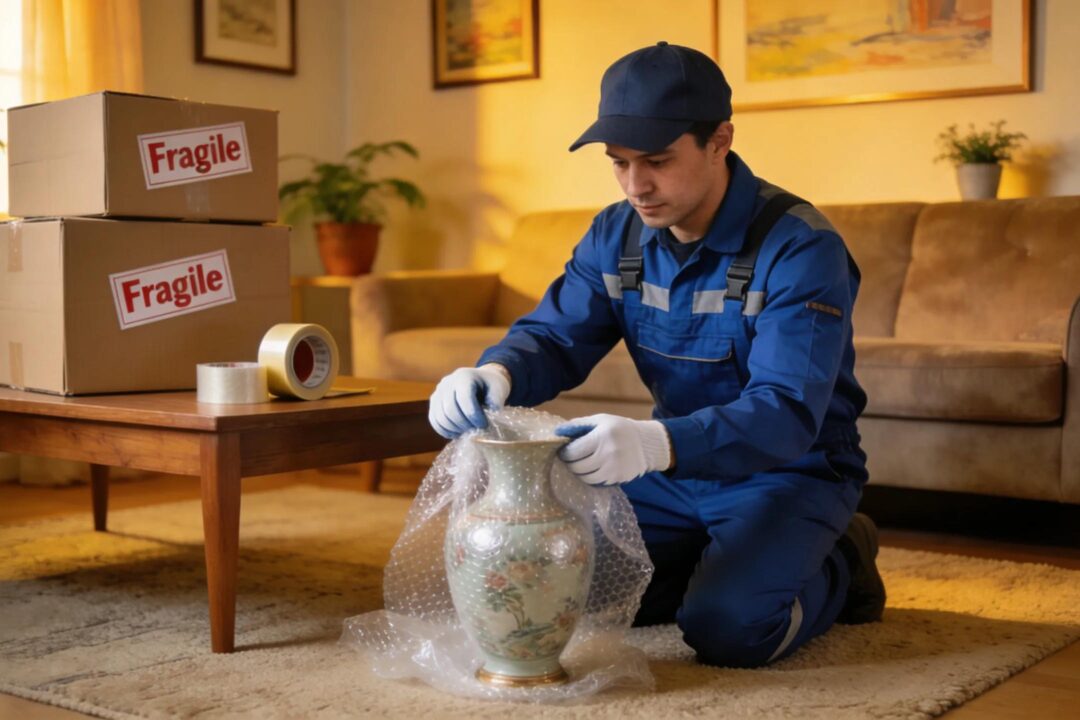
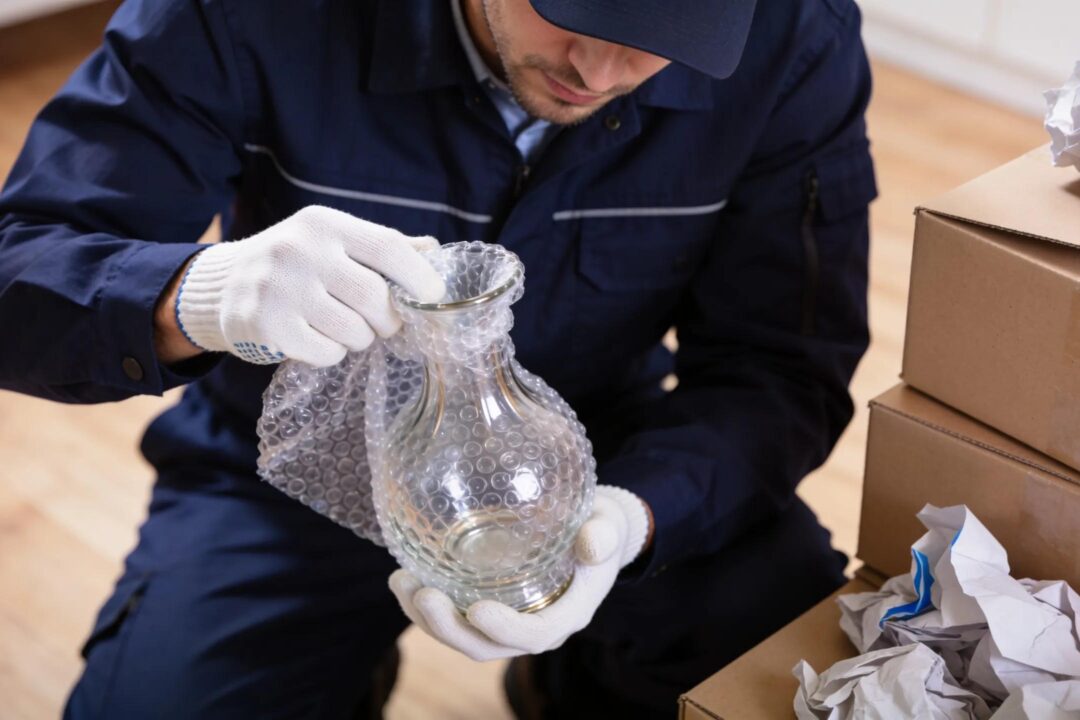
Bubble wrap provides air-filled cushioning that absorbs shocks and impacts, making it suitable for glassware and ceramics. Wrap each item individually and ensure full surface coverage to maximize protection.
Packing Paper
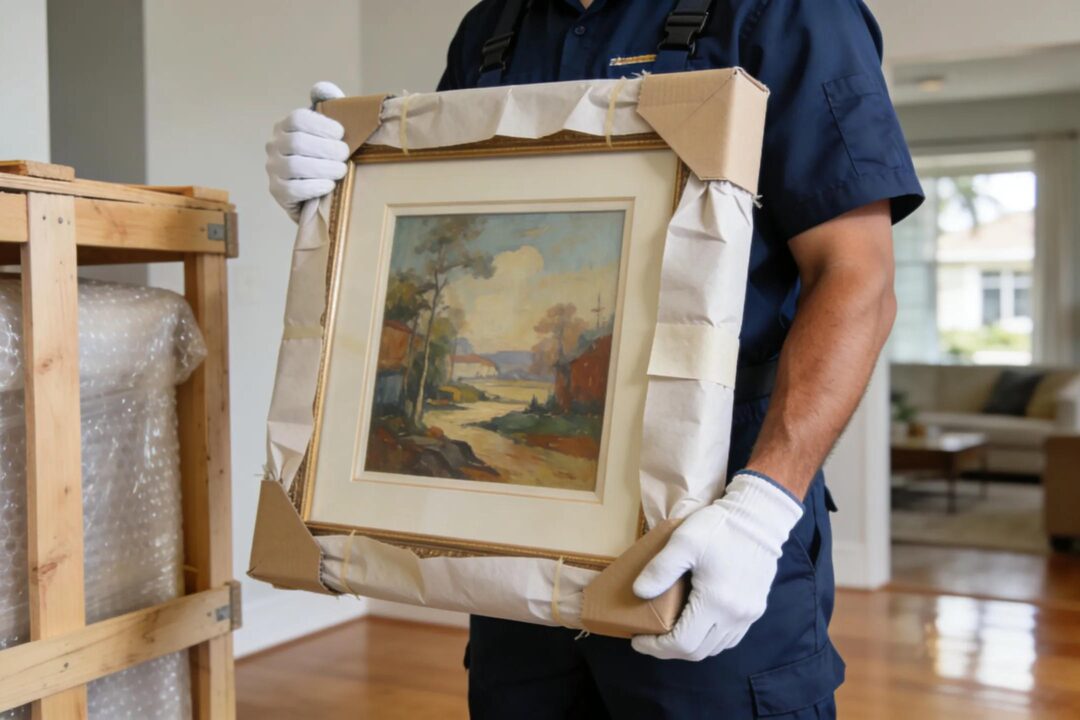
Packing paper is durable and flexible, suited to smaller or irregularly shaped items. Used alongside bubble wrap or foam, it prevents scratches and adds structural support to fragile items.
Packing Techniques

Proper packing techniques are equally important. The following strategies reduce movement and impact during transit:
- Wrap items carefully: Use multiple layers of bubble wrap or packing paper to cushion fragile items thoroughly.
- Tight packing: Use boxes that fit well with the items inside. Ensure that there is no significant movement within the box to avoid damage.
- Avoid overloading boxes: Limit the weight in any box and avoid placing heavier items on top of fragile ones to prevent crushing.
Applying these methods reduces the likelihood of damage and supports a secure transit for delicate belongings.
Avoiding Overloading Boxes
Overloading boxes increases the risk of breakage and creates unsafe lifting conditions. Distribute weight across multiple boxes and clearly label those that contain fragile items.
The Importance of Tight Packing
Tight packing prevents movement during transit. Use dividers, packing paper or additional cushioning to stabilise contents, and where possible select boxes designed for fragile goods for greater structural strength.
Labeling and Inventory
Accurate labeling and an inventory are essential controls for protecting fragile items. Clear identification and record-keeping facilitate careful handling and streamline post-move verification.
- Use color-coded labels: This approach allows quick identification of fragile items, ensuring that careful handling is observed.
- Creating an inventory list: Document all items, specifying their condition before the move. This helps you assess if any damage occurs during transit.
- Keeping fragile items designated: Clearly label boxes that contain fragile items to alert everyone handling them.
Color-Coded Labels
Assign color codes to item categories—for example, red for fragile, blue for electronics and green for miscellaneous—to increase visibility and ensure handlers apply appropriate care.
Creating an Inventory List
Create an inventory that records each item’s description and pre-move condition. This document supports accountability and expedites insurance or contractual claims if damage occurs.
Moving Insurance

Assessing moving insurance is necessary when transporting fragile items. Understanding the available coverage types enables informed decisions about how to protect valuable belongings during a move.
- Full value protection: In this plan, the mover is responsible for the full replacement value of your belongings in the event of loss or damage.
- Released value protection: This lower-cost option provides minimal coverage, typically only about 60 cents per pound, which might not cover high-value fragile items.
- Third-party insurance options: Consider consulting with your homeowner’s insurance or a third-party provider to ensure comprehensive coverage of your valuable items during the move.
Full Value Protection
Full value protection places liability on the mover for the replacement value of items lost or damaged, subject to the contract terms. This coverage typically permits repair or replacement as remedies.
Released Value Protection
Released value protection offers limited statutory coverage, often calculated at cents per pound, and may not provide sufficient compensation for high-value fragile items.
Professional Help
Engaging professional movers reduces operational risks when transporting fragile items. Trained personnel apply established handling protocols and access specialised equipment to lower the probability of damage.
- Expert packing services: Professionals use advanced techniques and materials to protect items during transit.
- Proper equipment: They have access to tools and equipment designed specifically for moving fragile items, facilitating a safer transport process.
- Minimization of damage risk: With experience in the field, trained movers are better equipped to avoid common mistakes that lead to damage.
Expert Packing Services
Companies such as DeVries Family Moving and Storage provide expert packing services tailored to protect fragile items. Their methods can save time and reduce risk throughout the relocation.
Proper Equipment
Professional movers use custom-sized boxes, specialized padding and wrapping materials not commonly available to the public; this equipment enhances protection and mitigates transport-related damage.
Additional Tips
Additional practical measures can further reduce risk when moving fragile items.
- Clearing pathways on moving day: Ensure that the moving path is clear of obstacles and hazards to avoid accidental damage.
- Communicating special instructions: Share any unique considerations or handling instructions with your moving team.
- Preventing accidents during the move: Finally, stay attentive during the moving process to quickly resolve any emerging issues.
Clearing Pathways on Moving Day
Clear pathways before moving to reduce trip hazards and provide adequate space for safe manoeuvring when loading and unloading fragile or heavy items.
Communicating Special Instructions
Provide the moving team with clear written and verbal handling instructions for delicate items to ensure consistent execution of care protocols.
Frequently Asked Questions
What types of packing materials are best for fragile items?
Use a combination of bubble wrap, packing paper and foam peanuts. Bubble wrap provides cushioning for glassware, packing paper protects surfaces and odd shapes, and foam peanuts fill voids to limit movement. Select materials that match the item’s fragility and shape to reduce damage risk.
How can I ensure my fragile items are safe during transit?
Protect fragile items by using multiple layers of bubble wrap or packing paper, packing boxes tightly to eliminate movement, and securing items during vehicle loading. Clearly label fragile boxes and instruct handlers to follow specified precautions during transport.
Is it necessary to hire professional movers for fragile items?
Hiring professional movers is not mandatory, but it materially reduces the risk of damage. Professionals provide expertise, specialized tools and appropriate materials; for high-value or extremely delicate items, professional services are advisable.
What should I do if my fragile items are damaged during the move?
If items sustain damage, document the condition with photographs and written notes immediately. Review your moving contract for applicable coverage such as full value protection, and contact any third-party insurer promptly to initiate a claim.
How important is labeling when moving fragile items?
Labeling is essential for quick identification and careful handling. Color-coded labels draw attention to fragile boxes and assist in organising and tracking items during the move, reducing the chance of mishandling.
Can I use regular boxes for packing fragile items?
Regular boxes can be used, but boxes designed for fragile goods offer superior structural integrity and cushioning. Choose boxes that fit items snugly and are rated to support the load to minimise breakage risk.
Conclusion
Safely relocating fragile items protects property and reduces the operational risks of moving. Use appropriate materials and techniques, maintain accurate labeling and inventory records, and evaluate professional services and insurance options to ensure adequate protection and regulatory compliance during your move.